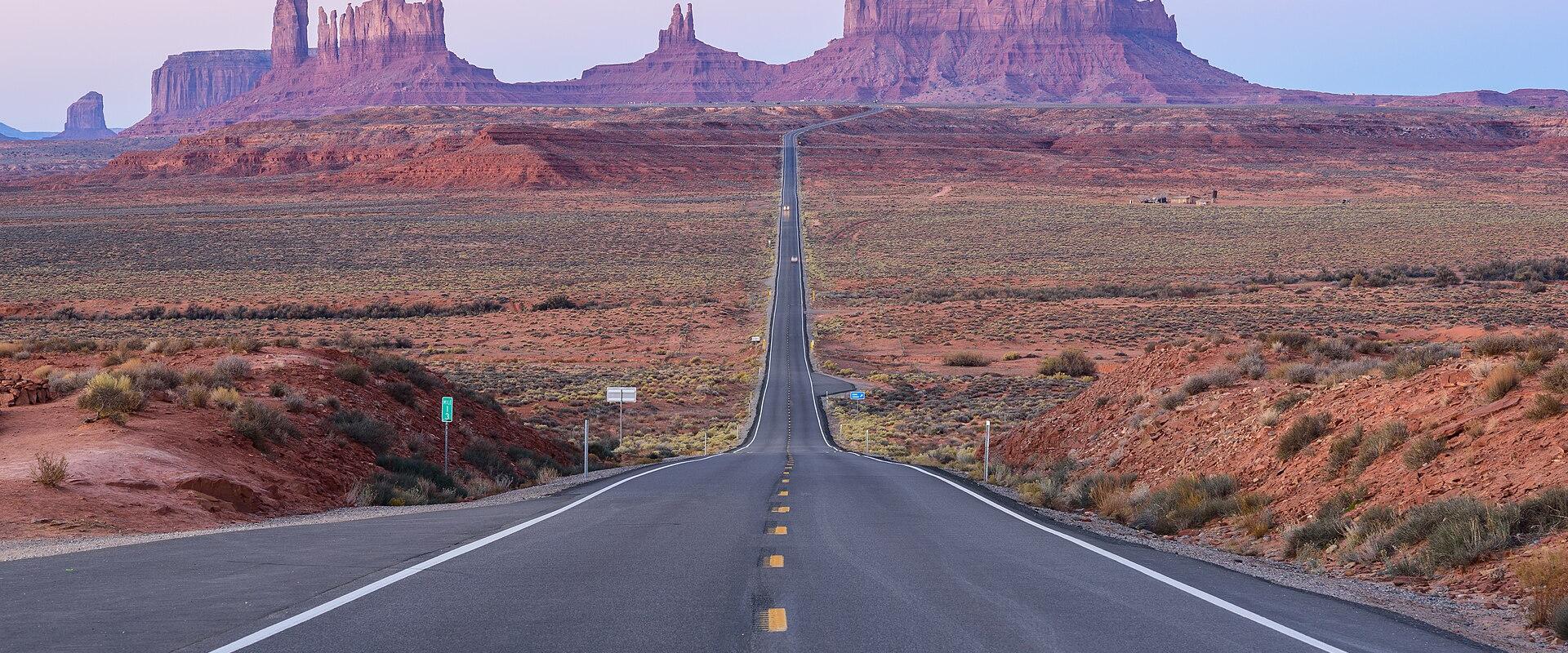
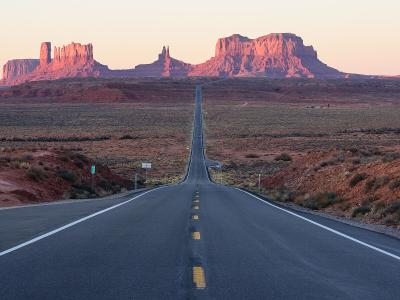
Monument Valley, straddling the border of Utah and Arizona, is defined by its stark, majestic geology and deep cultural significance. This is not a typical national park but a tribal park, managed by the Navajo Nation, which offers a unique and respectful entry into the heart of the American Southwest. The landscape is dominated by towering sandstone buttes, rising up to 1,000 feet above the valley floor, creating a dramatic and otherworldly backdrop. The air is dry and thin, and the silence is profound, broken only by the wind sweeping across the red sand.
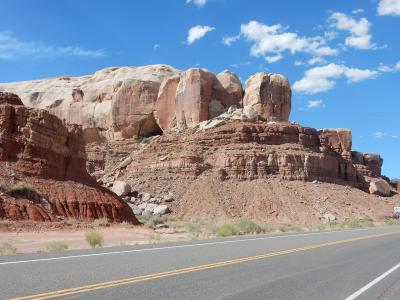
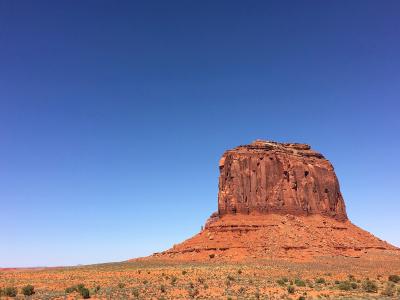
The visual impact of the valley is immediate and overwhelming. The rust-red soil and the towering sandstone formations, such as the iconic East and West Mitten Buttes, create a landscape that is both ancient and timeless. The geology is a result of millions of years of erosion, with layers of sandstone, shale, and silt exposed by the elements. This geological history is not just a backdrop but a central part of the Navajo identity, reflecting a deep connection to the land. The Navajo people, who have lived in this region for centuries, view the land as a living entity, and their presence is felt in the care and respect with which the land is managed.
Access to the valley is a significant part of the experience. The area is remote, located in the high desert, and requires a vehicle to reach. There are no major airports in the immediate vicinity, so visitors typically drive from nearby towns such as Page, Arizona, or Moab, Utah. The drive is part of the journey, offering views of the changing landscape as one approaches the valley. The road conditions are generally good, but the isolation of the area means that visitors should be self-sufficient, carrying water and supplies.
The cultural aspect of the visit is integral. The Navajo Nation, which manages the land, emphasizes respect for the land and its traditions. Visitors are encouraged to approach the area with humility and respect, recognizing the cultural significance of the land to the Navajo people. The landscape is not just a scenic backdrop but a living, breathing part of the Navajo heritage. Guided tours are available, offering a deeper understanding of the land and its significance, and providing a more immersive experience than a self-guided visit.
The local economy is supported by tourism, with many Navajo families offering guided tours, crafts, and cultural experiences. This economic activity is a source of pride and sustenance for the community, allowing them to share their culture and heritage with visitors. The interaction between visitors and the local community is a key part of the experience, offering a chance to learn about the Navajo way of life and the importance of the land to their identity.
The combination of natural beauty, cultural depth, and the unique character of the Navajo Nation makes Monument Valley a truly unique destination. It is a place where the past and present coexist, where the land is both a physical reality and a spiritual entity. For those who visit, the experience is one of awe and respect, a reminder of the power and beauty of the natural world, and the enduring spirit of the people who call it home.
Best time to visit
April to May and September to October offer mild temperatures and ideal lighting for photography.
What to see in Monument Valley
Our picks first.
Monument Valley by interest
The same sights, grouped by what you came for.
Did you know?
Checked facts about Monument Valley, each with its source.
-
Film & TV
John Ford's Westerns
The region is most famous for its use in John Ford's films, such as Stagecoach (1939) and The Searchers (1956).
Source: en.wikipedia.org
Planning a visit to Monument Valley
Itineraries that include Monument Valley
Good to know
- Currency
- USD
- Language
- English