







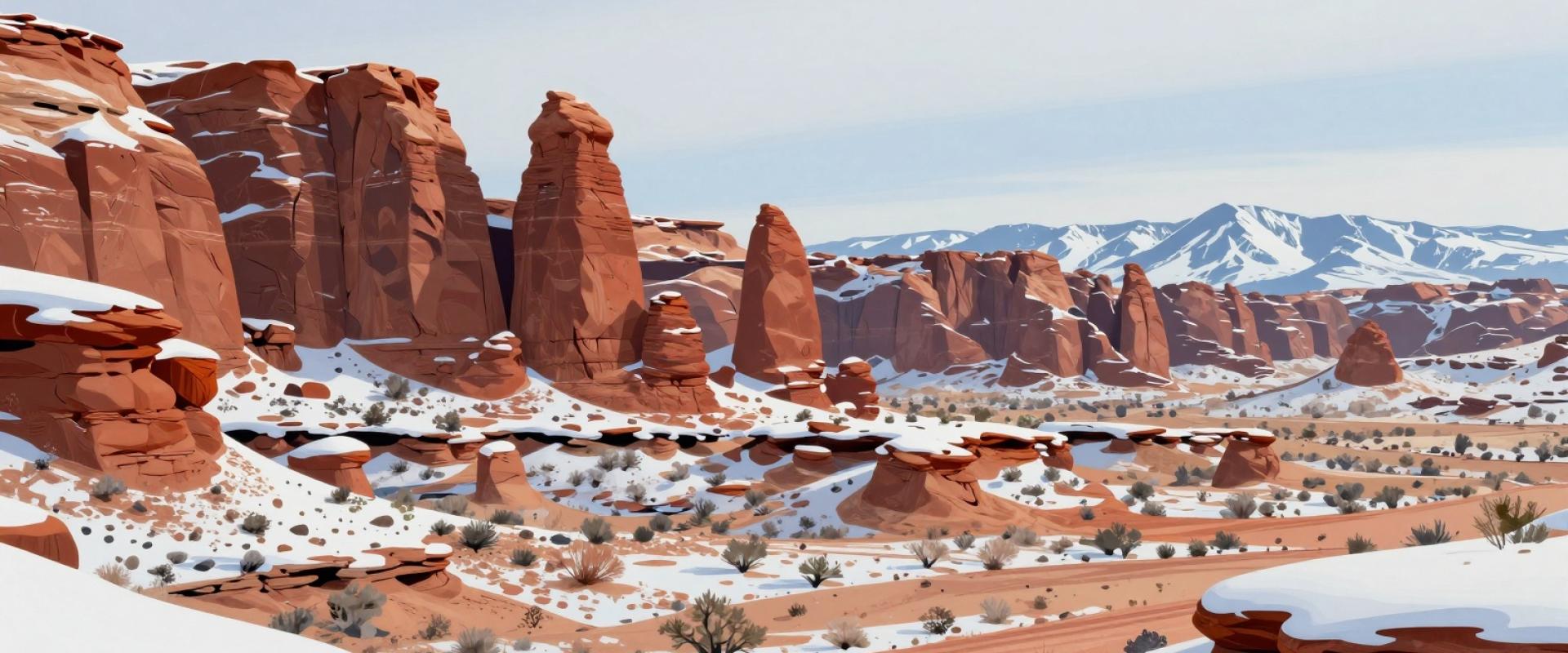
High altitude in Utah lowers temperature and oxygen. Winter trips to Alta or Snowbird require specific gear. Temperatures drop significantly above 8,000 feet. Sudden weather changes are common in the Wasatch Range. Check UDOT Cottonwood Canyons road conditions before driving. Traction laws may require snow-rated tires, four-wheel drive or chains. Use the UTA Ski Bus to avoid driving stress. Monitor real-time reports from Alta or Snowbird resorts. Pack layered clothing for cold, variable conditions. Moisture-wicking base layers are essential for safety. Always carry extra warm clothes in your vehicle. Prepare for rapid weather shifts in the mountains. Check local forecasts daily before heading out. Ensure all gear is suitable for cold, high-elevation environments. Stay informed about changing conditions throughout your trip.
Vehicle Preparation and Traction
Utah enforces strict traction laws in winter. Drivers need snow-rated tires, four-wheel drive or chains when the traction law is in effect. This applies in canyons such as Big and Little Cottonwood. UDOT enforces these regulations strictly for safety. Check real-time road conditions via UDOT resources before travel. The Cottonwood Canyons often have traction restrictions. Always verify current road status before departure. Winter conditions change rapidly in high altitudes. Prepare for sudden weather changes in the mountains. Pack warm clothing and essential supplies in your vehicle. Include blankets, food, and extra water in your kit. The UTA Ski Bus offers an alternative to driving. This option avoids the stress of winter driving. It is a reliable way to reach resorts. Consider this option if you lack winter driving experience. Always check local conditions before starting your trip. Safety depends on proper preparation and awareness. Always carry extra warm clothing for emergencies. Ensure your vehicle is ready for cold weather. Check tire pressure and fluid levels regularly. Winter travel requires extra caution and planning. Always prioritize safety over speed in Utah.
Monitoring Mountain Weather
Mountain weather differs significantly from valley conditions. Temperatures drop sharply at higher elevations. Utah’s Cottonwood Canyons experience rapid weather changes. Conditions can shift from clear to severe quickly. Relying on general local forecasts is insufficient for high-altitude safety. You must use specific mountain forecast sources. Check reports from Alta or Snowbird directly. These sources provide accurate data on snowfall and temperature. UDOT road conditions also change rapidly in winter. Monitor these updates frequently before and during travel. Do not assume stable conditions based on morning checks. Sudden storms can close the Cottonwood Canyons without warning. Always verify current road status via UDOT or resort sites. This practice is essential for safe winter travel in Utah. Ignoring real-time updates increases the risk of getting stranded. Always check the latest conditions before starting your trip. Plan for potential delays caused by sudden weather shifts. Safety depends on accurate, up-to-date information specific to the mountain environment.
Layering and Gear Strategy
Use a three-layer system for Utah’s cold, high-altitude conditions. Start with a moisture-wicking base layer. This prevents hypothermia by keeping sweat away from skin. Choose synthetic materials or merino wool for insulation. A fleece or down jacket provides essential warmth. The outer layer must block wind and snow. Utah’s mountain weather changes rapidly. Adjust layers frequently based on activity level. High exertion generates heat; rest requires more insulation. Always carry extra layers in your vehicle. This strategy ensures safety during winter trips in Utah’s rugged terrain.
Safe Travel Practices
Reduce speed on icy roads in Utah. Increase following distance to maintain control. Avoid sudden braking or steering. These actions prevent loss of traction. UDOT enforces strict traction laws in canyons. Check real-time road conditions before driving. Use the UTA Ski Bus to avoid stress. This option eliminates winter driving risks. Always inform others of your travel plans. Specify expected return times for safety. This practice ensures help arrives if needed. Utah’s cold weather requires specific gear. Layer clothing to manage body temperature. Check tire pressure and chain requirements. Winter trips demand careful preparation. Always prioritize safety over speed. Utah’s mountain roads require extra caution. Monitor weather changes frequently. Conditions shift rapidly in high elevations. Prepare for sudden temperature drops. Always carry warm clothing and water. These steps ensure a safe trip. Utah’s winter environment is unforgiving. Respect the conditions at all times. Plan your route carefully in advance. Check all vehicle equipment before departure. Stay alert to changing road conditions. Utah’s winter weather is unpredictable. Always drive with caution and care.



