







Utah's Diverse Lodging Landscape
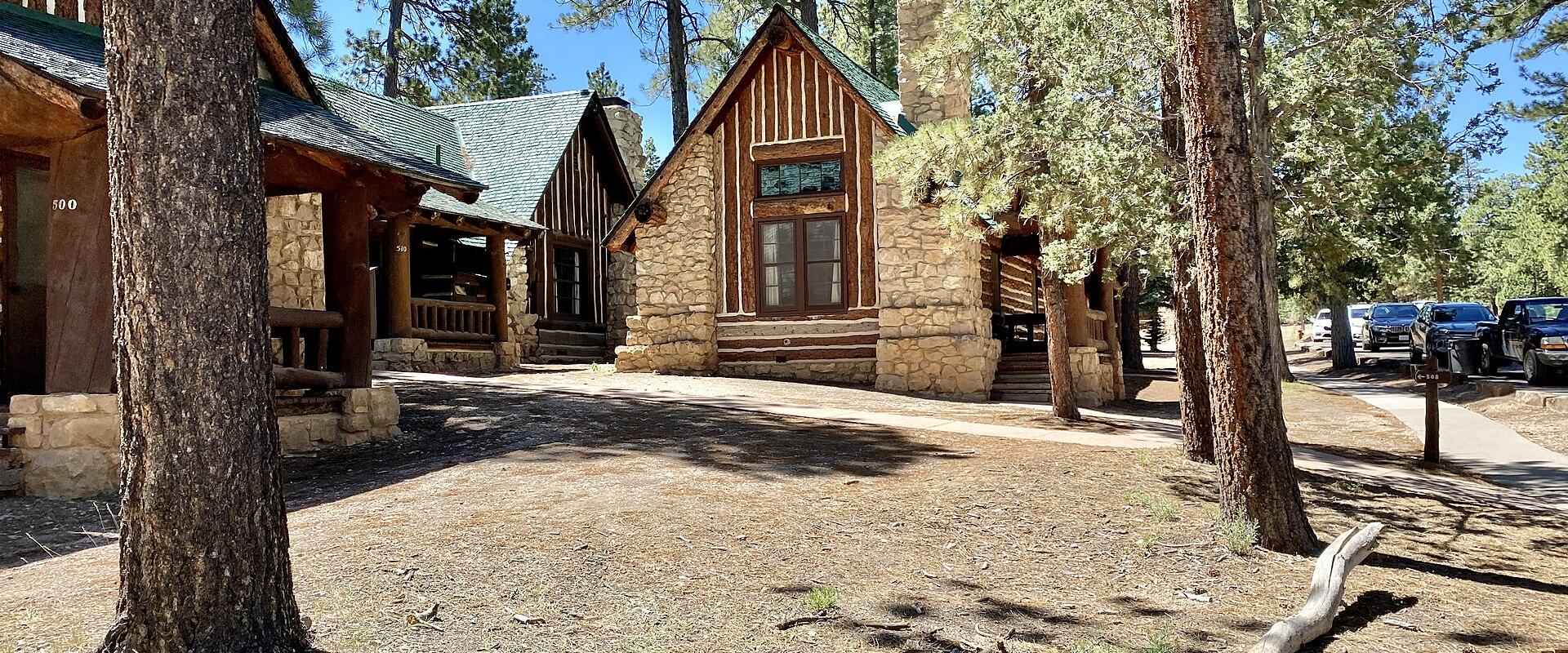
Utah offers a wide range of lodging, from five-star resorts and ski lodges to motels, RV parks, vacation rentals, campgrounds and glamping sites. Cabins and lodges are most common in the mountains and around the national park gateway towns. Each gateway has its own character: Salt Lake City is the main hub for the Wasatch ski resorts, Ogden mixes outdoor recreation with historic architecture, Provo sits at the mouth of the canyon leading to Sundance Mountain Resort, St. George has golf resorts and spas, and Blanding blends ranching culture with Ancestral Puebloan history.
Booking Strategies and Seasonal Availability
Popular lodges and cabins require advance planning. For peak seasons, book six to twelve months ahead. Demand spikes during summer and fall in the national park gateways and during the winter ski season in Park City and the Cottonwood Canyons. Booking directly with a property sometimes yields better rates or clearer cancellation terms than third-party platforms. Plan your itinerary around lodging availability rather than the other way around, especially for in-park lodges at Zion and Bryce Canyon.
Location Guide: Regional Highlights
Utah's lodging splits naturally by region, which helps when planning a road trip. In the north, Park City and the Cottonwood Canyons have ski lodges with direct mountain access, while hotels near the Salt Lake City airport and downtown make a practical base for short stays. In the south, lodges and cabins near Springdale, Bryce Canyon City, Torrey and Moab put you close to the red rock parks. Splitting a trip into two or three bases reduces long daily drives between attractions.
Amenities and Accessibility Features
Utah lodges vary significantly in accessibility standards. Verify ADA compliance directly with the property before booking. Remote cabins often lack universal design features. Fully equipped kitchens are common in remote areas. These units support self-catering for extended stays. Guests can prepare meals without leaving the site. Wi-Fi availability remains inconsistent in remote locations. Signal strength drops sharply outside gateway cities. Salt Lake City and Park City offer reliable connectivity. Rural areas near national parks may have no service. Plan offline activities for disconnected zones. Many cabins include private hot tubs. These provide relaxation after outdoor recreation in red rock country. Fire pits are common for evening warmth. They complement the cold desert nights effectively. Gear stations allow safe storage for equipment. This feature protects expensive outdoor tools from theft. Booking platforms list specific amenity details. Check Expedia or Airbnb listings for exact features. Ski lodges in Northern Utah often include heated boot dryers. This is a critical feature for winter visitors. Cabins in St. George may feature luxury spa access. Golf enthusiasts should verify course proximity. Blanding properties blend cowboy culture with modern comforts. Always confirm current availability and specific features. Policies change frequently across different regions.
Practical Tips for Remote Stays
Remote Utah lodges often lack reliable cellular service. Download offline maps before arriving in the field. Cell towers are sparse in national park gateways. Prepare for extended periods without digital connectivity. Seasonal road closures affect many cabin access routes. Winter snow frequently blocks high-elevation drives in Park City. Verify vehicle requirements with the property manager directly. Four-wheel drive is often mandatory for mountain cabins. Check road status reports before departure. Self-check-in procedures are standard for remote properties. Key codes or lockboxes replace front desk interactions. Instructions arrive via email prior to arrival. Verify check-in windows carefully to avoid delays. Wildlife safety is critical in Utah wilderness areas. Store food in sealed containers to deter bears. Keep cabins clean to avoid attracting animals. Fire regulations are strict during dry summer months. Open flames may be prohibited in certain zones. Use designated fire rings if allowed. Check local burn bans before lighting any fires. These measures ensure safe and compliant stays. Proper preparation minimizes risks in isolated locations. Always prioritize safety over convenience when remote.



