







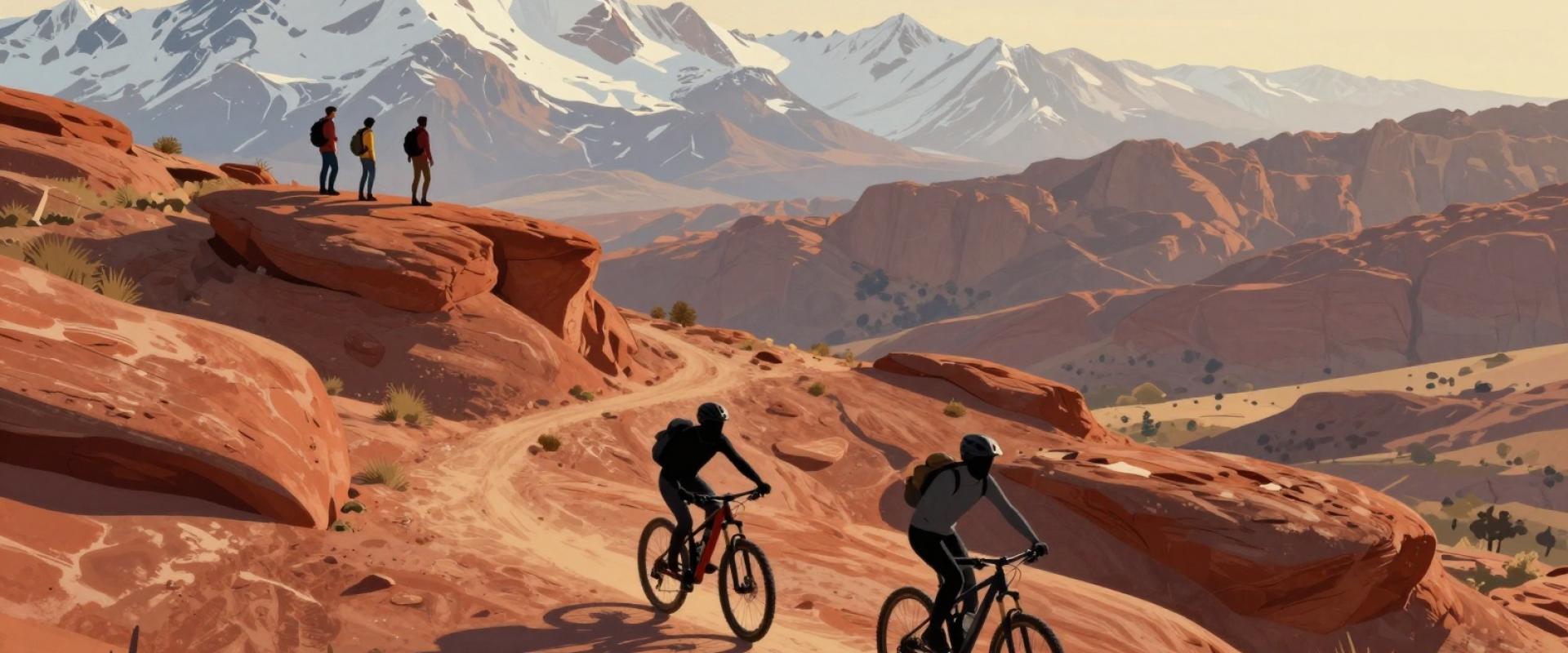
Utah’s high desert climate demands strict preparation. High altitude and arid conditions define the environment. Rapid temperature changes occur daily. Hikers must monitor these shifts closely. Dehydration risks are heightened by dry air. Sun exposure intensifies at higher elevations. Plan routes based on current weather reports. Sudden storms can drop temperatures quickly. Always carry ample water for safety. Pack extra layers for temperature drops. Check local forecasts before starting any trail. Utah’s dry air accelerates dehydration. Hydration is critical for survival. Prepare for rapid weather changes. Always inform others of your itinerary. Carry physical maps as backup. Rely on accurate, local data. Respect the harsh, beautiful landscape. Prepare thoroughly for every adventure.
Essential Gear and Layering Strategies
Utah’s high desert climate demands strict preparation. Layered clothing is essential for temperature regulation. Mornings are cold, while afternoons become hot. Wear a moisture-wicking base layer. Add an insulating mid-layer for warmth. A windproof outer shell protects against sudden gusts. Sturdy, broken-in boots are necessary for rugged terrain. The ground is often rocky and uneven. Ankle support prevents injuries on steep slopes. Sun protection is critical due to high UV exposure. The thin air increases radiation intensity. Wear a wide-brimmed hat and UV-blocking sunglasses. Apply high-SPF sunscreen to exposed skin. Reapply every two hours. Hydration is vital in dry conditions. Carry at least one liter of water per hour. Pack electrolyte supplements to replace lost salts. Always check local weather forecasts before heading out. Sudden storms can occur without warning. Prepare for rapid temperature drops in the evening. Always inform someone of your planned route. Carry a physical map as a backup. Electronic devices may fail in remote areas. Be self-sufficient and prepared for all conditions.
Hydration and Nutritional Needs
Utah’s arid climate demands strict hydration. Dehydration risks are high in desert areas. Hikers must carry ample water. Do not rely on intuitive intake. Drink water before feeling thirsty. High-energy snacks are necessary for sustained energy. Pack caloric dense foods for long trails. Utah’s heat accelerates fluid loss. Monitor your intake closely. Rehydrate frequently during activity. This prevents heat-related illnesses. Plan for limited services in remote areas. Carry extra water beyond immediate needs. Prepare for variable conditions. Always prioritize hydration safety. This ensures a safe outdoor experience in Utah’s unique environment.
Responsible Recreation and Leave No Trace
Utah’s fragile desert ecosystems require strict adherence to Leave No Trace principles. Hikers must stay on designated trails to protect fragile plant life. Sensitive soil crusts take decades to recover from damage. Pack out all trash, including food scraps and waste. Do not disturb historical sites or cultural artifacts. Observe wildlife from a distance without feeding animals. Utah’s unique environment demands careful stewardship. Small actions preserve the landscape for future visitors. Always check local regulations before entering specific areas. Respect closed zones to protect fragile ecosystems. Plan routes carefully to minimize environmental impact. Leave the trail as you found it. This approach ensures the preservation of Utah’s natural beauty for all outdoor enthusiasts.
Choose trails matching your current skill level. Do not attempt advanced routes unprepared. Turn back immediately if conditions worsen. Fatigue sets in quickly at high altitudes. Always inform others of your specific itinerary before departure. Carry physical maps as backup to digital devices. Smartphones may fail in remote areas. Check weather reports for sudden storm risks. Utah’s terrain changes rapidly. Prepare for sudden temperature drops. Wear appropriate layers for safety. Respect local regulations and stay on designated paths. This protects both you and the fragile environment. Always carry sufficient water and high-energy snacks. Hydration is critical in this arid climate. Plan for limited services in remote zones. Assess your personal risk tolerance carefully. Ensure your group can handle the terrain. Prioritize safety over reaching the summit. Turn back if conditions become unsafe. This is the standard for responsible outdoor recreation in Utah.



