







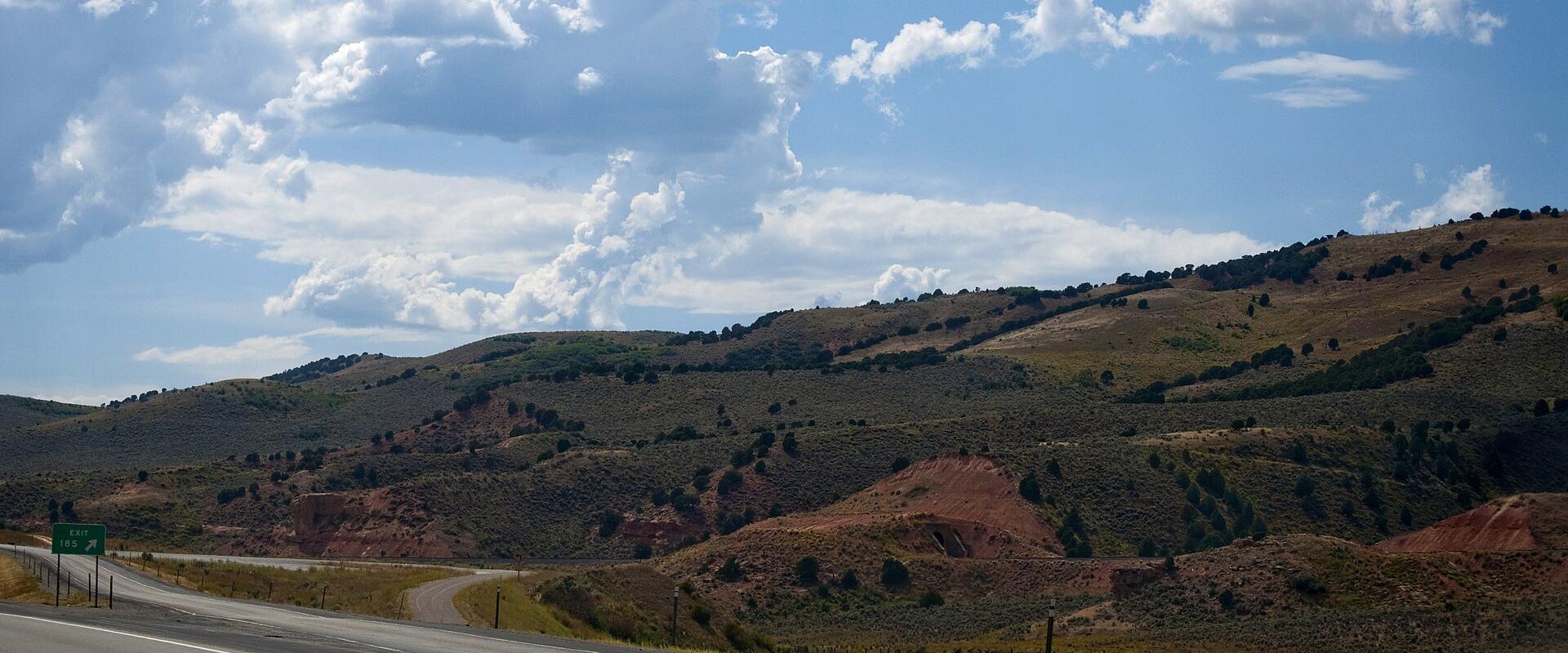
Utah’s high desert climate demands strict heat management. Intense solar radiation strikes the high desert landscape directly. Low humidity masks dehydration risks, creating silent danger. Temperatures frequently exceed 100°F (38°C) in summer. Strategic timing is essential for safe travel. Hikers must start early to avoid peak heat. Hydration is critical, not optional, in this environment. Sun exposure causes rapid dehydration without adequate protection. Plan routes around cooler morning or evening hours. Carry extra water to manage the extreme heat. Safety depends on respecting the high desert conditions. Always monitor heat levels during summer trips. Preparation is the key to surviving the heat. Never underestimate the intensity of the high desert sun.
Hydration and Heat Safety Protocols
Proactive hydration is essential in Utah’s high desert. Drink water before feeling thirsty. Dehydration occurs rapidly in dry heat. Carry at least one liter of water per person per hour. Electrolyte supplements are recommended to replace lost salts. Sun protection is critical for safety. Wear a wide-brimmed hat and UV-protective sunglasses. Apply broad-spectrum sunscreen every two hours. Recognize signs of heat exhaustion early. Symptoms include heavy sweating, weakness, and nausea. Seek shade immediately if dizziness occurs. Rest in cool, shaded areas. Rehydrate with electrolyte-rich fluids. Avoid strenuous activity during peak heat, typically between 10 a.m. and 4 p.m. Monitor companions for signs of heat stroke. Heat stroke is a medical emergency. Call 911 if confusion or loss of consciousness occurs. Always carry extra water in your vehicle. Temperatures can exceed 100 degrees Fahrenheit in summer. Plan hikes for early morning or late evening. This strategy minimizes exposure to extreme heat. Always inform someone of your trail route. Check weather forecasts before starting any hike. Utah’s high desert climate demands strict heat management. Ignoring these protocols can lead to severe health risks. Prioritize safety over schedule. Hydration is the primary defense against heat-related illness. Stay alert and hydrated throughout your summer trip in Utah.
Utah’s five national parks require advance planning. Summer heat intensifies trail risks significantly. Zion National Park runs a free shuttle system. Private vehicles cannot drive Zion Canyon Scenic Drive while it operates. Permits for hikes like Angels Landing are allocated by lottery and fill quickly. Arriving early is critical for parking. Gates often close when capacity is reached. Heat impacts trail accessibility and safety. Temperatures frequently exceed one hundred degrees. Hikers should start trails early in the morning. Hydration is essential for survival. Carry at least one liter of water per hour. Sun exposure causes rapid dehydration. Wear protective clothing and wide-brimmed hats. Check park alerts for closure updates. Plan rest stops in shaded areas. Carry extra water beyond standard recommendations. Monitor weather forecasts for flash flood risks. Summer is the peak tourist season. Crowds increase wait times at entry gates. Reserve all necessary permits in advance. Do not rely on last-minute bookings. Prepare for extreme heat conditions. Stay hydrated and seek shade regularly. Safety depends on proactive planning and preparation.
Trail Safety and Terrain Awareness
Utah’s terrain presents steep, rugged challenges. Trails often feature loose rock and steep drop-offs. Hikers must possess strong physical fitness. The high desert heat increases dehydration risks significantly. Always carry ample water and electrolytes. Trail conditions can be hazardous due to heat. Check local forecasts for flash flood risks. Sudden storms are common in summer months. Wear sturdy boots with ankle support. Sun protection is essential for all hikers. Verify trail conditions before starting your hike. Utah’s terrain requires careful navigation and caution. Prepare for extreme temperature changes. Always inform others of your travel plans. Safety depends on proper preparation and awareness. Respect the harsh environment at all times.
Practical Planning and Permits
Advance planning is essential for Utah summer trips. Secure permits for popular trails early. The high demand requires early reservation. Check for fire restrictions before travel. Trail closures may occur due to heat. Have backup plans for sudden weather changes. Afternoon thunderstorms are common in summer. Prepare for rapid weather shifts. Check local forecasts daily. Ensure your vehicle is prepared for heat. Carry extra water and supplies. Utah’s terrain is rugged and remote. Cell service is often unavailable. Download offline maps before departure. Inform others of your travel plans. This preparation ensures a safe trip. Always check current conditions before starting.



