







Understanding Tribal Sovereignty
Utah's tribes maintain distinct sovereignty within the state. Eight federally recognized groups, including the Ute and Paiute, govern their own lands. These nations exercise legal authority over their specific territories. This structure separates tribal jurisdiction from state and federal laws. Visitors must recognize this distinct political status. The land holds deep historical and spiritual significance for these communities. Respecting tribal sovereignty is essential for all visitors. You must acknowledge the sovereign status of these nations. Always research specific tribal customs before visiting. Ask for permission before taking photographs. Do not touch artifacts or remove items. This is a federal violation. Respect the legal and cultural boundaries. Acknowledge the enduring presence of these tribes. Their history is integral to the region. Approach the land with humility and care. Understand that tribal lands are sovereign nations. This awareness is crucial for respectful engagement.
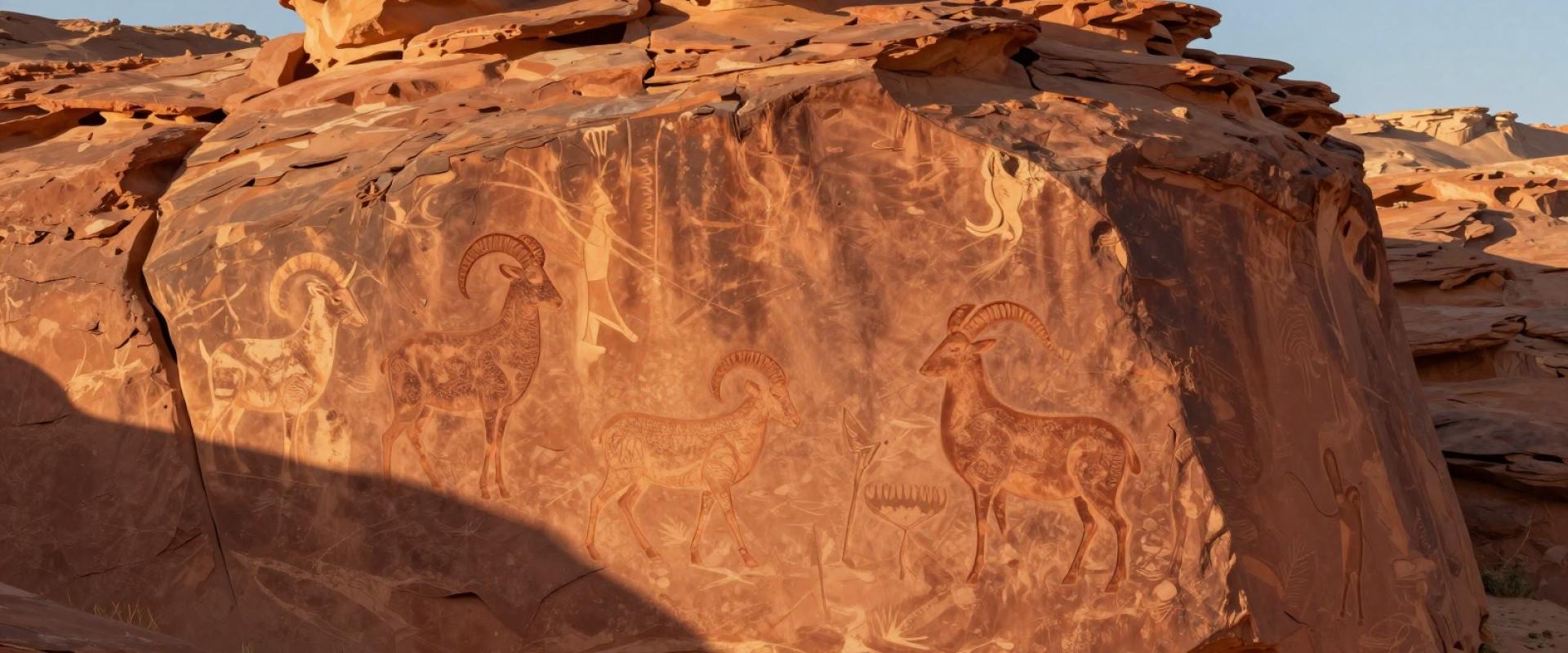
Visitors must respect specific barriers at sacred sites. Utah’s tribes, including the Ute and Paiute, maintain deep spiritual ties to the land. Always follow posted signage and barriers. Do not touch petroglyphs or artifacts. This action is a federal violation. Stay on designated trails to protect the land. The land holds ancestral significance for local tribes. Recognize that spiritual ties exist on tribal lands, national parks, and general outdoor areas. Act with respect at all times. Do not take photos of people without permission. Avoid disturbing burial grounds. These guidelines ensure the protection of cultural heritage. Respecting these boundaries honors the eight federally recognized tribes in the state. Your compliance helps preserve their heritage for future generations.
Engaging with Tribal Communities
Utah hosts eight federally recognized tribes, including the Ute, Paiute, and Navajo. These groups maintain distinct cultural traditions across the state. Visitors should approach tribal lands with specific respect and care. Always research local customs before visiting any tribal area. Avoid taking photos of people or private events without explicit permission. This practice honors individual privacy and cultural dignity. Do not touch artifacts or remove natural items from the land. Such actions are illegal and disrespectful to tribal sovereignty. Many tribes invite respectful visitors to learn about their heritage. However, access is granted at the discretion of the tribal council. Always follow posted signage and specific guidelines on the land. Support local economies by purchasing authentic, tribal-made goods. This direct support sustains traditional arts and cultural preservation. Engage with tribal communities through their official channels and centers. Always prioritize the comfort and boundaries of the host community. Respect is the foundation of all meaningful engagement. Always ask for permission before entering private or sacred spaces. This simple act shows respect for tribal sovereignty and tradition.
Etiquette and Best Practices
Utah hosts eight federally recognized tribes. These groups maintain distinct cultural traditions. Visitors must approach tribal lands with respect. Always research specific customs before visiting. Do not touch artifacts or petroglyphs. This action is a federal violation. Remove trash completely from all sites. Leave no trace of your visit. Do not take photos without permission. Respect all posted barriers and signs. These measures protect sacred cultural sites. Utah’s tribes, including the Ute and Paiute, value these boundaries. Their land holds deep historical significance. You must honor these local traditions. Always ask for guidance when unsure. This approach ensures respectful engagement. It preserves the integrity of the land. It honors the sovereignty of the tribes. This practice supports the community directly. It shows genuine respect for their heritage. Always prioritize the comfort of the hosts. Always follow the specific guidelines provided. This ensures a positive and respectful experience for everyone involved.
Planning Your Visit
Check official tribal websites for current hours and entry fees. Policies vary significantly between the Ute, Paiute, and Navajo nations. Book guided tours in advance, as many cultural centers require prior registration. Utah’s diverse tribes, including the Ute, Paiute, and Navajo, offer distinct experiences. Prepare for varying weather conditions, especially in high desert regions. Temperatures can shift rapidly, even in summer. Consider hiring a local guide for a richer, more accurate experience. Local experts provide essential context for sacred sites. Always respect specific tribal customs and land protocols. Do not touch artifacts or cross restricted barriers. These actions are illegal and disrespectful. Verify all access rules directly with the specific tribe. General state guidelines do not apply to all tribal lands. Always confirm specific access rules for each location. Plan your visit around specific tribal opening hours. Do not assume standard business hours apply. Always check the specific tribe's official website for the most current information. This ensures a respectful and safe visit to their land.



