







Selecting The Right Vehicle
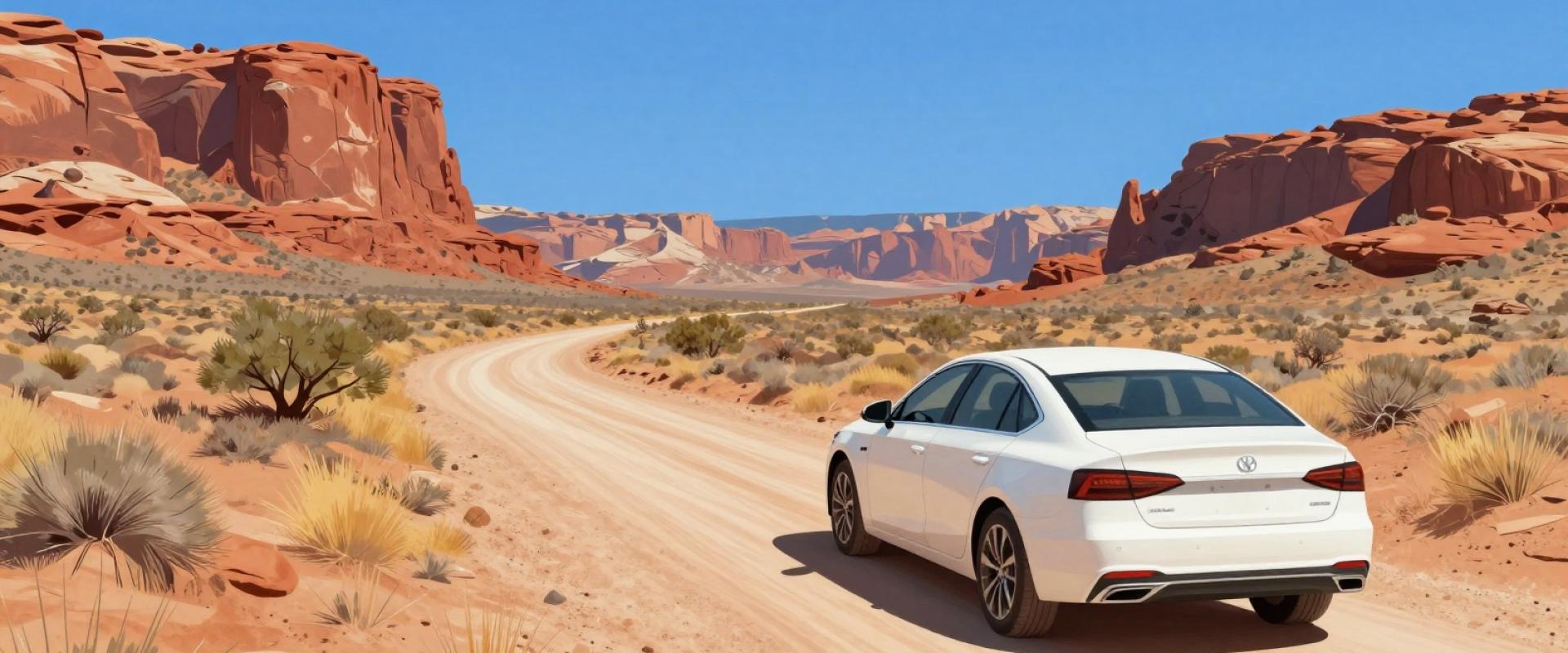
Utah’s terrain demands specific vehicle choices. Standard cars suit paved roads like the Indian Creek Corridor. However, rugged trails require four-wheel drive. High clearance is essential for backcountry routes such as Elephant Hill in the Needles District. These areas feature steep, uneven surfaces. Limited rental inventory exists near national parks. Book vehicles well in advance. This ensures availability during peak seasons. Review insurance policies carefully before driving. Standard coverage often excludes off-road damage. Verify if your policy covers gravel roads. Unpaved surfaces in Utah are common. Check for tire damage provisions. Renting a four-wheel drive vehicle is often necessary. This ensures safe travel on rough terrain. Plan ahead to secure the right vehicle. Utah’s diverse landscape requires appropriate transportation. Prioritize safety and vehicle capability. This approach ensures a safe road trip experience across the state's varied topography.
High-elevation roads close seasonally. Cedar Breaks closes late fall to late spring. Plan routes around these closures. Check real-time status via UDOT before driving. Flexible itineraries are essential for safety. Backup routes are necessary for delays. Utah’s terrain demands specific vehicle choices. High clearance is essential for rugged trails. Four-wheel drive is often required. Standard cars suit only paved roads. Plan carefully to avoid getting stuck. Check weather conditions daily. Winter driving requires extra preparation. Snow chains may be necessary. Always check road status online. UDOT provides accurate, up-to-date information. This ensures a safe trip. Flexibility is key to success. Adapt plans based on conditions. Utah’s roads are stunning but challenging. Respect the weather and terrain. Plan ahead for a smooth journey. Utah’s landscape is rewarding for prepared travelers. Stay informed and drive safely.
Managing Limited Connectivity
Cell service is unreliable in Utah’s remote areas. Dead zones are common along scenic byways. You must download offline maps before traveling. Do not rely on live data connections. Signal loss is frequent in canyons. Carry a physical paper map as backup. This is a critical safety requirement. Plan your route carefully in advance. Share your detailed itinerary with a trusted contact. Check in regularly during your drive. This ensures help can locate you if needed. The landscape is vast and isolated. Communication gaps are a real risk. Prepare for limited connectivity proactively. Do not assume coverage exists. Always verify signal availability before departure. Safety depends on these preparations. Stay connected through multiple methods. Rely on offline tools as primary. Use cellular data only when available. This approach ensures safety in remote areas.
Planning Efficient Itineraries
Utah’s vast distances require strategic planning. The state’s size demands realistic time management. Do not attempt to cover the entire state in one trip. Focus on specific regions to manage travel time effectively. The Mighty Five offer a concentrated experience. Group parks like Arches and Canyonlands together. This reduces daily driving fatigue. Plan overnight stops to break up long drives. This reduces fatigue and improves safety. Check road conditions before each daily drive. Utah’s terrain varies significantly between regions. High-elevation roads may close due to weather. Always verify current road status before departure. Flexible itineraries accommodate these necessary changes. Prioritize safety over speed in all planning.
Essential Driving Safety Practices
High-altitude conditions affect vehicle performance. Check engine and cooling systems before travel. Utah’s elevation changes demand caution. Weather shifts rapidly in mountain areas. Sudden storms can reduce visibility. Prepare for cold temperatures at high elevations. Wildlife collisions are a significant risk. Drive slowly, especially at dawn and dusk. Deer and moose cross roads frequently. Use high beams when appropriate. Maintain safe following distances. Carry an emergency kit in your vehicle. Include water, food, and warm clothing. Keep a charged phone and charger. In remote areas, signal is unreliable. Inform others of your travel route. Share your estimated arrival time. Check road conditions via UDOT before departure. Plan for longer travel times. Allow extra time for scenic stops. Do not rush through national parks. Respect speed limits on narrow roads. Be prepared for unexpected delays. Safety depends on preparation and awareness.



