







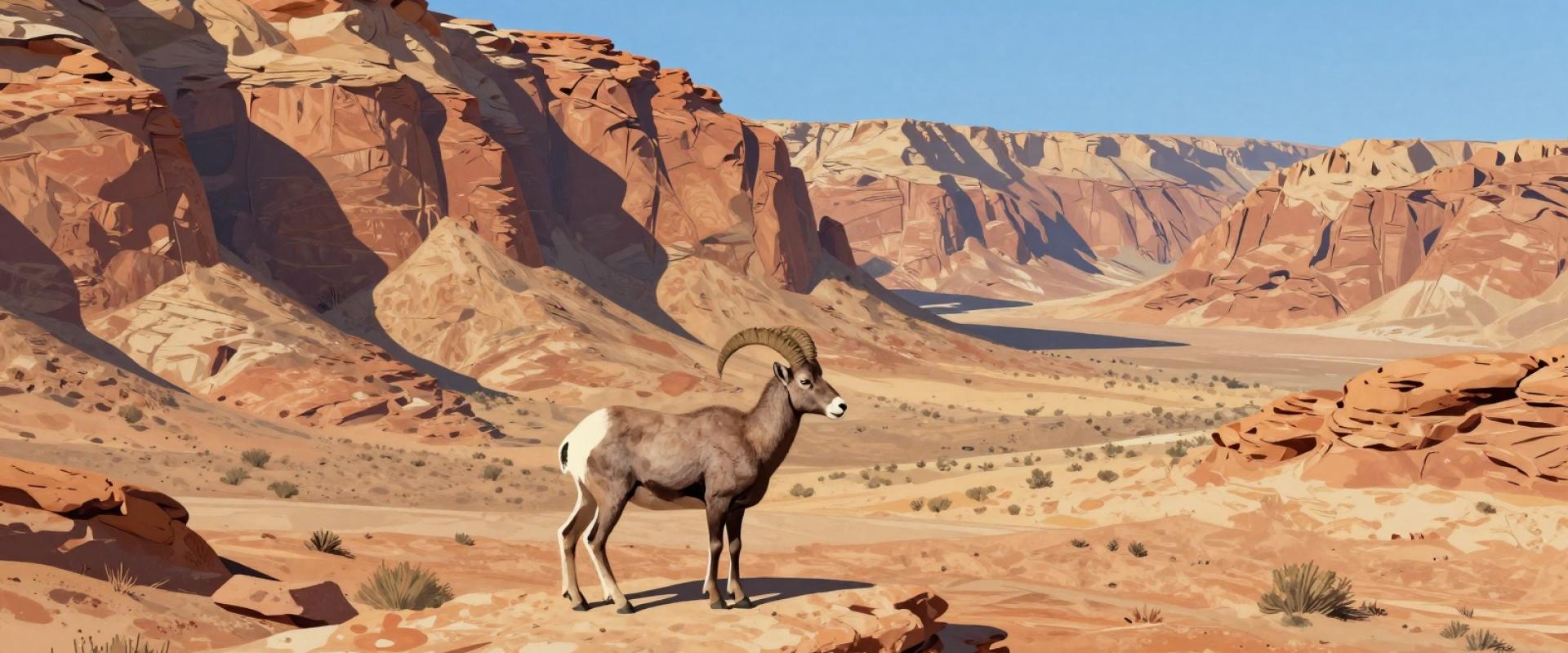
Understanding Utah's Diverse Habitats
Utah features distinct ecological zones. Alpine zones exist in high elevations. Desert zones dominate the lowlands. These habitats support unique wildlife. Bighorn sheep inhabit steep slopes. Mule deer roam open valleys. Understanding these specific habitats is crucial. It ensures ethical observation practices. You must respect local boundaries. Stay on designated trails only. Disturbing wildlife harms their survival. Observe animals from a distance. Use binoculars for closer views. This approach minimizes stress on wildlife. It preserves natural behaviors for all. Utah's diverse landscapes offer unique viewing opportunities. Each zone requires specific knowledge. Respect the environment to protect it. Ethical observation ensures long-term preservation. Always check local regulations before visiting. Plan your trip around animal activity. Early morning and evening are best. Stay quiet to avoid disturbing animals. Watch for signs of stress. If animals flee, you are too close. Move back immediately. This practice protects both wildlife and observers. It maintains the integrity of the ecosystem. Utah's diverse habitats require careful attention. Always prioritize the well-being of the animals. Ethical observation is the standard. It ensures the preservation of these unique ecosystems for future generations. Always respect the natural environment.
Ethical Observation and Safety Protocols
Utah’s wildlife requires strict ethical observation. Prioritize animal well-being over photography. Use binoculars for close views. Maintain a safe distance from all wildlife. Never feed animals, including deer or elk. Feeding disrupts natural behaviors and health. Adhere to local regulations in all parks. State parks enforce specific distance rules. Stay on designated trails to protect habitats. Avoid loud noises that disturb animals. Observe quietly from a distance. This minimizes stress for wildlife. Utah’s diverse habitats require specific care. Alpine zones need extra caution. Desert zones require heat awareness. Always carry water and sun protection. Respect closed areas to protect breeding grounds. Report injured animals to authorities. Do not approach or touch wildlife. Keep pets leashed at all times. This ensures safety for all visitors. Ethical observation preserves Utah’s natural beauty. Follow guidelines to protect these resources. Your actions impact the ecosystem directly. Choose responsible viewing practices always.
Optimal Timing and Seasonal Patterns
Spring brings newborn wildlife to Utah’s valleys. Observe carefully to avoid disturbing breeding pairs. Summer heat forces animals into shaded, high-elevation zones. Plan early morning or late evening visits for safety. Autumn offers the best viewing of elk. The rut peaks in September and October. Crowds gather at popular viewing areas. Prepare for cold, icy conditions in winter. Snow covers high-elevation trails, limiting access. Wear insulated, waterproof gear for cold weather. Visibility improves in winter, revealing more tracks. Monitor local park alerts for trail closures. Always check current wildlife activity reports. Respect all seasonal restrictions to protect habitats. Plan visits during less crowded times. This approach ensures a safe, ethical experience for all visitors and wildlife in Utah.
Essential Gear and Preparation
Utah’s rugged terrain demands specific gear. High-elevation hikes require insulated layers. Desert trails demand extra water and sun protection. Always carry a first-aid kit for minor injuries. Binoculars are essential for observing distant bighorn sheep. Telephoto lenses capture details without disturbing wildlife. Neutral-colored clothing blends into the desert landscape. Avoid bright colors that startle animals. Check local regulations for required permits. Always carry extra water in hot conditions. Prepare for sudden weather changes in alpine zones. Carry extra insulation for cold nights. Check trail conditions before departure. Ensure all gear is in good condition. Respect wildlife by maintaining a safe distance. Do not feed or approach animals. Follow all park rules and regulations. Prepare for variable weather conditions. Carry extra layers for temperature changes. Ensure all gear is secure and accessible. Plan for unexpected delays or changes. Always inform someone of your itinerary. Check local regulations for specific requirements. Prepare for all possible weather conditions.
Top Destinations and Species Spotting
Zion National Park offers prime viewing for bighorn sheep. Hikers can spot these animals on steep, rocky slopes. The terrain provides natural barriers for safe observation. Bryce Canyon National Park hosts large mule deer herds. Early morning visits increase chances of clear sightings. Golden light highlights the deer against red rock. Pronghorn graze the open meadows near Bryce Canyon. Watch for their distinctive white rump patches. Capitol Reef National Park supports desert bighorn sheep and mule deer in its orchards and canyons. The region supports diverse raptor populations. Look for hawks soaring above canyon rims. National forests offer chances to see moose. These large mammals prefer wet, forested areas. Bears forage in high-elevation zones during summer. Maintain a safe distance from all wildlife. Use binoculars to observe without disturbing animals. Always carry extra water for long hikes. Utah’s diverse habitats support unique wildlife species.
Final Checklist for Ethical Viewing
Verify specific permit requirements for each Utah state park or national monument before arrival. Regulations vary significantly by location and season. Check current weather forecasts for high-elevation areas, as conditions change rapidly. Pack appropriate gear for sudden temperature drops or rain. Stay on designated trails to protect fragile desert ecosystems. Do not approach wildlife, including bighorn sheep or mule deer. Maintain a safe distance to avoid stressing the animals. Use binoculars for close observation without disturbing natural behaviors. Never feed wild animals, as it alters their natural foraging habits. Respect all posted signage regarding closures or sensitive habitats. These measures ensure the safety of both visitors and Utah’s unique wildlife. Adhering to these guidelines preserves the natural integrity of the landscape for future generations.



