







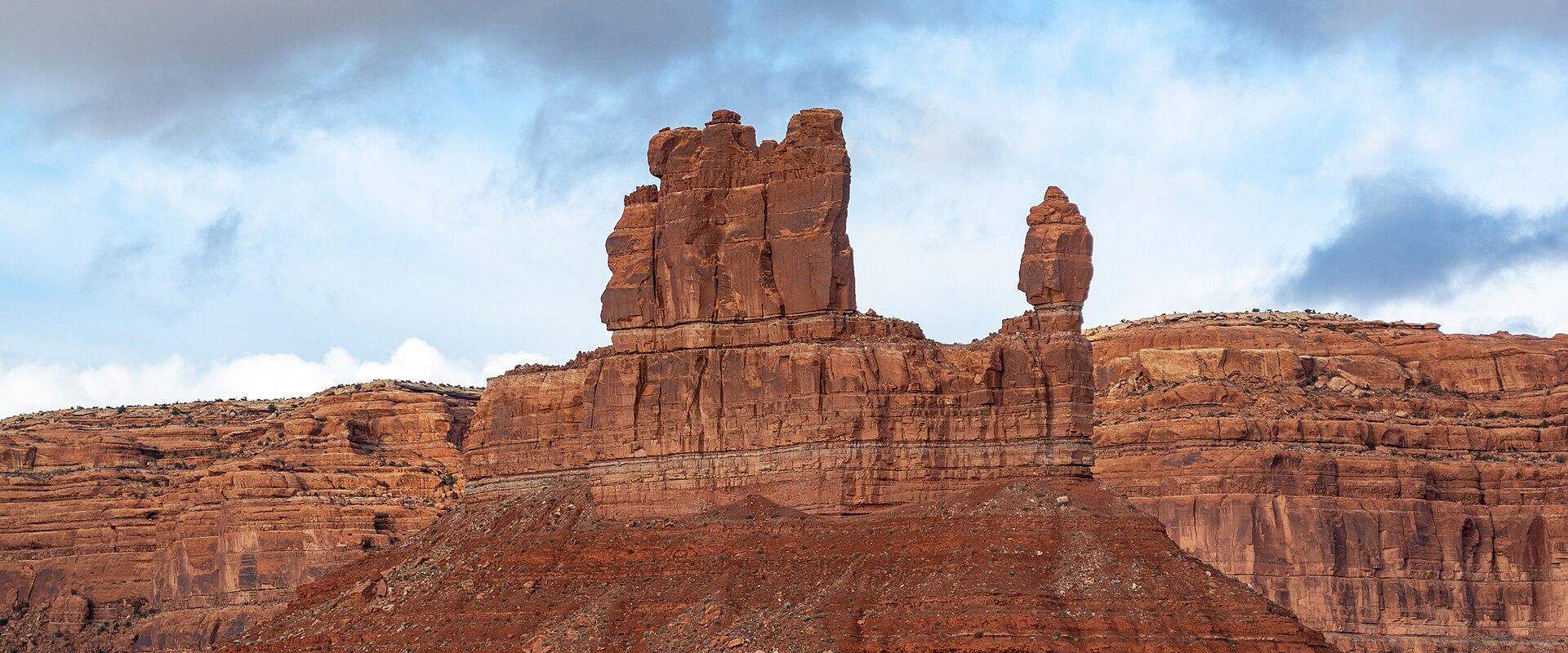
Cinematic Landscape Overview
Utah’s breathtaking and diverse topography serves as a versatile canvas for filmmakers, supporting an astonishing array of cinematic settings. From the red rock canyons of Moab to the alpine peaks of the Wasatch Range, the state’s natural beauty allows it to double for planets, ancient deserts, and frontier towns alike. Kanab, which hosted so many Westerns that it earned the nickname 'Little Hollywood,' is one example of a reputation built on a film-friendly environment that offers logistical ease, tax incentives, and stunning backdrops without the congestion of traditional studio hubs. Understanding this landscape is crucial for visitors, as it transforms a simple sightseeing trip into a journey through cinematic history. By recognizing how specific terrains have shaped iconic scenes in blockbuster films, audiences gain a deeper appreciation for the artistry involved in location scouting and the profound role geography plays in storytelling. This perspective enriches the travel experience, connecting the physical beauty of the land with its cultural impact on global cinema.
Iconic Locations and Access
Monument Valley Navajo Tribal Park and Dead Horse Point State Park are key cinematic locations. Monument Valley starred in John Ford’s Westerns such as The Searchers, and Dead Horse Point was the setting for the final scene of Thelma & Louise. Access requires specific vehicle types, such as four-wheel drive, depending on the trail. The Utah Film Commission promotes these areas as part of "America's Film Set." Visitors should check local regulations before visiting. Specific markers guide visitors to famous movie shot locations. This initiative is part of the 'Utah Film Trail.' You must ensure responsible access to these natural landmarks. Regulations vary by park and tribal jurisdiction. Always verify current road conditions and restrictions. Four-wheel drive is often necessary for rugged terrain. Visit Utah lists the Film Trail marker locations. Proper preparation ensures safe and legal visits. Respect local rules to preserve the landscape.
The Utah Film Commission launched the Utah Film Trail to guide visitors through significant cinematic locations. This initiative places physical markers at sites used in various film and television productions. These markers provide specific information about the scenes shot at each location. The trail connects travelers with the state’s rich cinematic history and cultural heritage. Utah promotes itself as "America's Film Set," boasting over 84,000 square miles of diverse landscapes. Launched in 2025 with the Utah Office of Tourism, the trail's metal markers carry QR codes linking to more information, and the full list of marker locations is on visitutah.com. The trail enhances the travel experience by offering practical details about famous shoots. Stops include the Butch Cassidy and the Sundance Kid hideout and the Thelma & Louise car scene. The initiative helps tourists understand the production context of their surroundings. It transforms standard sightseeing into an educational journey through film history. The markers ensure that visitors can easily identify where iconic scenes occurred. This structured approach makes Utah’s cinematic legacy accessible to all travelers.
Responsible Visitation Practices
Visitors to Utah’s film locations must prioritize environmental stewardship. Stay strictly on designated trails to prevent soil erosion. This minimizes damage to fragile red rock ecosystems. Utah’s landscape is unique and easily disrupted. Respect all local regulations governing public lands. Access to sensitive areas often requires specific permits. Always check current rules before visiting. The Utah Film Commission supports responsible tourism. Adhere to all posted signs at sites. These guidelines protect the natural environment. Be mindful of private property boundaries. Many filming locations are on private land. Do not trespass or block access. Always follow posted guidelines for access. Respect wildlife by maintaining a safe distance. Do not disturb native plants or animals. Your actions directly impact the landscape. Preserve the integrity of these iconic sites. Follow all local regulations strictly. This ensures the land remains pristine. Responsible visitation protects the cinematic heritage. It also protects the natural habitat. Always check specific site rules, since some areas have restricted access.
Planning Your Visit
Check road conditions before traveling to film locations. Utah’s desert terrain requires specific vehicle preparation. Ensure your vehicle is in good condition for the journey. The state offers diverse landscapes, including red rock canyons. Check park hours for sites like Dead Horse Point. These locations may have specific access restrictions. The Utah Film Commission supports local film infrastructure. Plan for changing weather conditions in the desert. Bring sufficient water and supplies for the heat. The environment is harsh and unforgiving. Verify road closures before setting out. This prevents getting stranded in remote areas. Utah’s film locations are often in rugged terrain. Respect the fragile ecosystem at all times. Stay on designated trails to protect the land. This preserves the natural beauty for future visitors. The state’s unique geography defines the cinematic experience. Plan your route carefully to ensure safety. Always check local regulations before visiting specific sites. This ensures a responsible and safe experience for all.



