







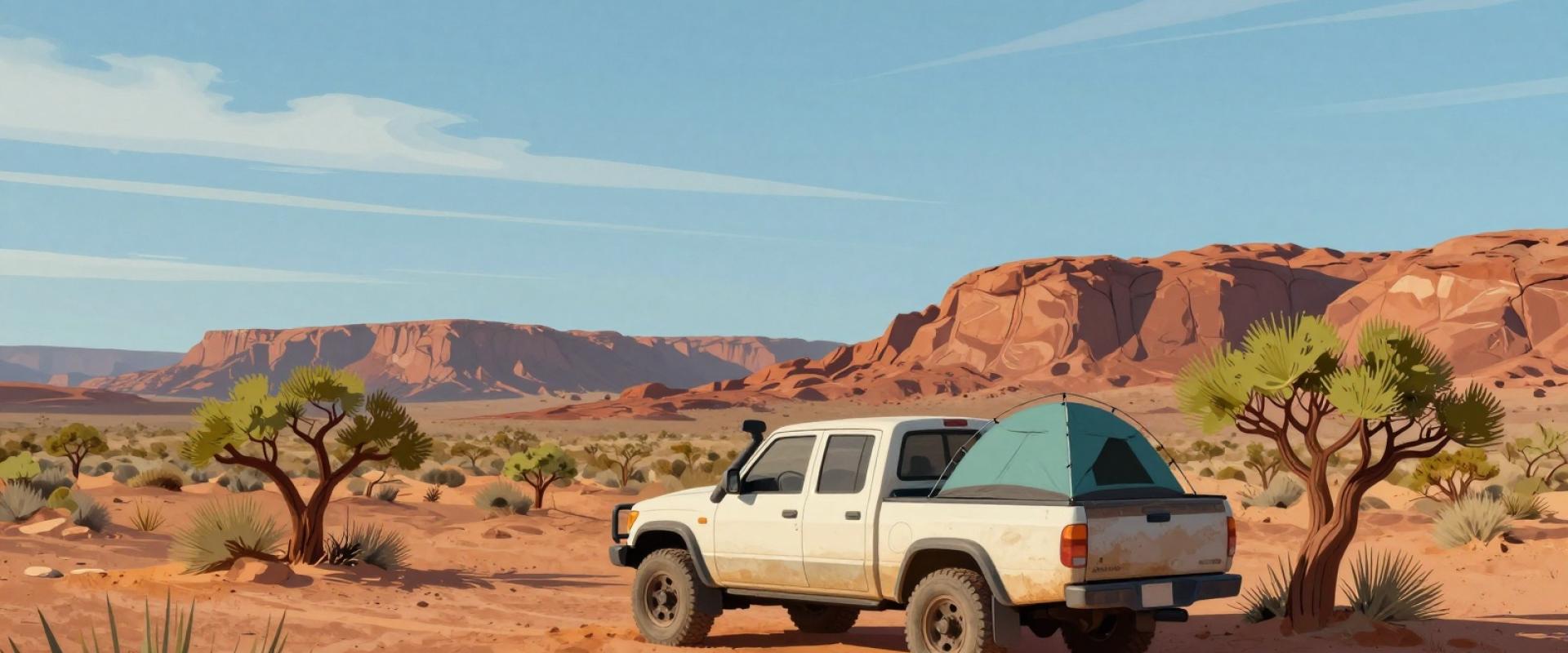
Utah’s vast geography increases transportation costs. Travelers must plan routes carefully to manage expenses. Renting a car is essential for accessing remote areas. Gas prices vary, but fuel is a primary expense. Budget travelers should book accommodations in advance. Northern hubs like Salt Lake City offer different rates than southern destinations. Southern Utah requires more fuel due to distance. Plan meals to control food costs. Grocery shopping reduces daily expenses significantly. Advance booking ensures availability and better pricing. Always check specific rental rates before booking. Transportation is the largest budget variable. Careful planning prevents unexpected financial strain. Prioritize essential travel needs over luxury. This approach ensures a manageable and affordable experience across the state's diverse landscapes.
Strategic Accommodation Sourcing
Lodging costs vary significantly across Utah’s regions. Travelers should target gateway towns near major national parks. Moab, Springdale, and Bryce Canyon City offer options near park entrances, while towns like Hurricane, Kanab and Green River are often cheaper. Staying in these towns reduces daily transit expenses. Budget motels and hostels provide cost-effective lodging. These options often include basic amenities for lower rates. Self-catering options further reduce overall travel costs. Renting a cabin with a kitchen allows for home-cooked meals. This strategy lowers food expenses significantly. Campgrounds offer the most economical accommodation. Many campgrounds are located within or near national parks. Booking in advance is essential during peak seasons. Summer months see high demand for all lodging types. Early reservations ensure availability and better rates. Travelers should compare prices across different accommodation types. Motels may offer better value than hotels. Campgrounds provide the lowest cost but require more preparation. Self-catering options require additional planning for meals. Budget travelers should prioritize location to minimize transport costs. Staying near park entrances reduces daily driving time. This approach saves both money and time. Careful planning ensures a cost-effective Utah experience. Strategic accommodation selection is key to budget travel.
Cost-Effective Transportation Strategies
Rent a fuel-efficient vehicle to manage costs. Transportation expenses account for a significant portion of the budget. Rental fees and gas are the two biggest transport costs. Travelers should plan routes carefully to minimize fuel consumption. Utilize public transit in urban areas like Salt Lake City where available. This reduces the need for a personal vehicle in dense areas. Route planning is essential for managing overall travel expenses. Group travel can significantly reduce individual costs. A partner can help split the total expense. This approach makes the trip more affordable. Always check specific rental rates before booking. Gas prices vary by location and time. Plan fuel stops to avoid high prices at tourist hubs. Efficient driving habits further reduce fuel consumption. These strategies help manage the high cost of travel in Utah's vast landscape.
Affordable Dining and Provisions
Utah’s high desert terrain increases travel costs. Food expenses account for a significant portion of a trip budget. Travelers should prepare meals using local, affordable ingredients. Grocery stores in towns like Moab offer essential provisions. This strategy reduces the need for expensive restaurant dining. Utah’s diverse landscape supports local agriculture. Local markets provide fresh, affordable produce. Travelers can save money by cooking their own meals. This approach is particularly effective in remote areas. Limited dining options exist in remote regions. Strategic planning is essential for budget management. Travelers should purchase non-perishable items in advance. This ensures access to food in remote areas. Utah’s high desert environment requires careful planning. Travelers must account for limited services in remote areas. Strategic planning is essential for a successful trip. Travelers should prioritize essential provisions for their journey. This approach ensures a sustainable and affordable travel experience. Utah’s unique landscape requires careful financial planning. Travelers must balance costs with their budget. Strategic planning is key to a successful trip. Travelers should prioritize essential expenses. This approach ensures a sustainable travel experience. Utah’s high desert terrain requires careful planning. Travelers must account for limited resources.
Free and Low-Cost Activities
Utah’s natural landscapes offer free exploration. The 'Mighty Five' national parks charge entry fees. Annual passes offer cost-effective access to these sites. State parks provide additional free or low-cost areas. These locations include diverse natural landscapes. Visitors can explore canyons and deserts without entry fees. Local communities host free cultural events. Seasonal festivals offer free entertainment for travelers. These events highlight local culture and history. Attendees can experience local art and music. This approach reduces travel costs significantly. Nature remains the primary resource for free activities. Hiking trails in state parks are accessible. Stargazing is free in many rural areas. Clear skies provide excellent viewing conditions. Travelers can enjoy these natural features at no extra cost. Planning ahead ensures access to these free resources. Check local event calendars for specific dates. Free activities complement paid attractions effectively. This strategy allows for extended stays. Budget travelers can experience Utah’s diversity. Natural beauty provides free entertainment. Cultural events add value to the visit. This combination supports a complete travel experience. Utah offers diverse options for all budgets. Natural landscapes remain a key resource. Local events provide additional free entertainment. This approach maximizes value for travelers. Utah’s natural beauty is a primary asset. Free activities enhance the overall travel experience.



