







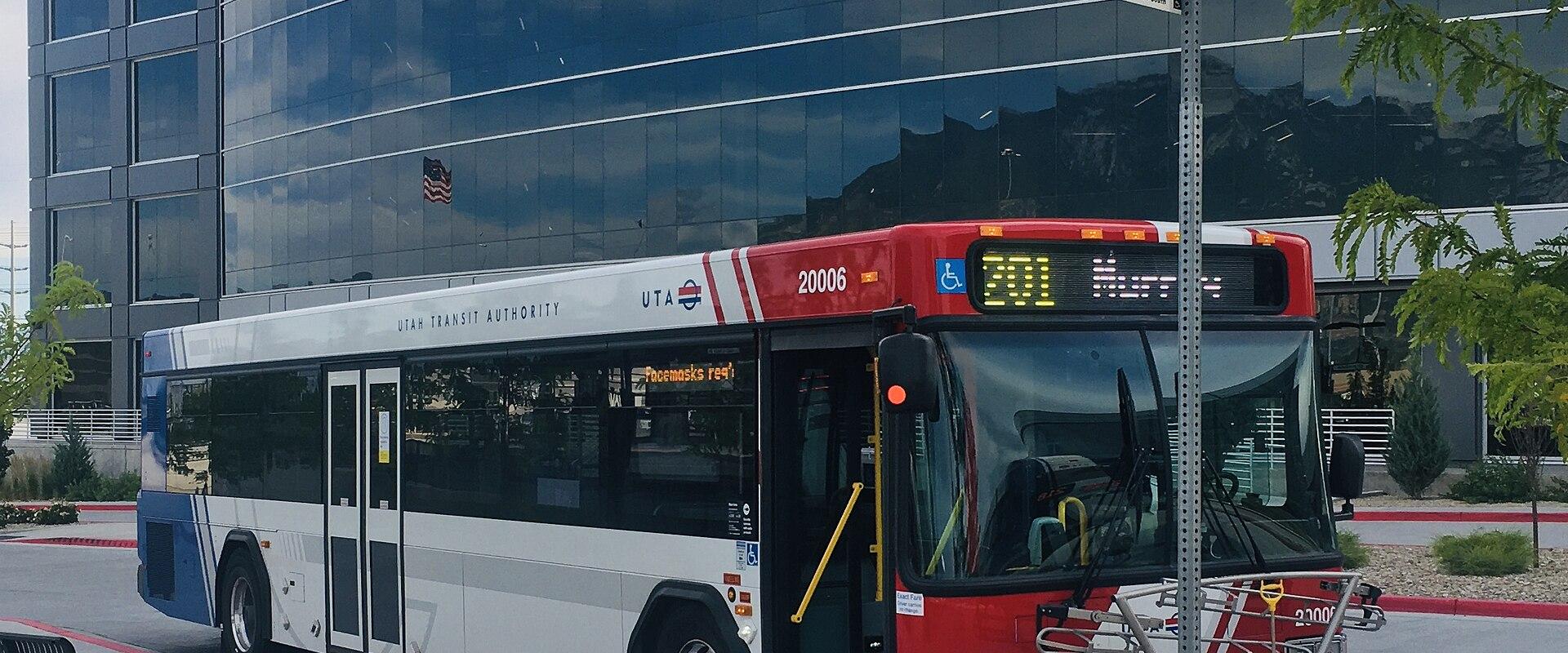
The Utah Transit Authority (UTA) serves the Wasatch Front corridor. This urban transit network includes buses, light rail, and commuter rail. The TRAX light rail system connects major urban centers efficiently. Salt Lake City’s transit hub provides easy access to these lines. Tourists can reach the airport directly via connected transit routes. The UTA mobile app simplifies navigation and payment for all modes. Riders pay with a fare card, the app, or cash on buses, except in the downtown free fare zone. The system is fully accessible for all passengers. Bicycles are permitted on buses and trains. This infrastructure supports travelers avoiding car rentals in the metropolitan area. The network is reliable for daily urban navigation. Tourists can explore the core area without a personal vehicle. The transit options are integrated and user-friendly. This makes the urban core accessible to all visitors. The system supports both local and regional travel needs.
The Rail Experience: TRAX and FrontRunner
The Utah Transit Authority operates two primary rail systems. TRAX serves the Salt Lake City metropolitan area. It features three distinct lines. These lines connect major urban centers efficiently. The Green, Blue, and Red lines serve the core. This network supports both daily commuters and tourists. The system is fully accessible to all riders. Buses and light rail share integrated fare systems. A single pass covers both modes of transport. The mobile app simplifies payment and route planning. Riders can pay before boarding specific services. The free fare zone covers central areas. FrontRunner commuter rail runs along the Wasatch Front from Ogden through Salt Lake City to Provo. It complements the local transit network. Travelers can reach the airport on the TRAX Green Line. The system avoids the need for rental cars. Parking is available at designated transit stations. Bicycles are permitted on board during travel. Greenbike programs operate in key urban zones. These options provide reliable access to destinations. The infrastructure supports efficient regional movement. Riders can access services through dedicated apps. The system ensures accessibility for all users. This infrastructure supports the local economy. It connects residents to essential services. The rail network is a key transit asset. It supports sustainable urban mobility in Utah.
Fare Structure and Payment Methods
Utah Transit Authority (UTA) manages fare collection for regional transit. Riders pay when boarding buses and before boarding TRAX light rail and FrontRunner trains. UTA's mobile apps are a convenient payment method. It allows users to plan routes, pay fares, and track vehicles in one place. Riders can purchase passes directly through the application. The system supports contactless and mobile payments for convenience. Passes must be validated before boarding to ensure compliance. The system is fully accessible for all riders. Paratransit services are available for individuals with specific disabilities. These services provide additional support for those unable to use standard fixed-route services. The infrastructure supports both standard and specialized transit needs. All modes of transport within the UTA network are integrated. This integration simplifies the payment process for commuters. Riders can transfer between buses and rail systems seamlessly. The system is designed for efficiency and ease of use. Access is guaranteed for all eligible passengers. The infrastructure supports diverse transportation needs across the region.
Accessibility and Special Needs
The Utah Transit Authority guarantees full accessibility for all fixed-route services. This includes buses, the TRAX light rail, and the FrontRunner train. These vehicles are equipped to accommodate passengers with physical disabilities. For individuals who cannot independently use fixed-route services, specialized paratransit services are available. This option provides necessary support for those with specific physical or cognitive needs. Riders should plan ahead to ensure a smooth travel experience. Advance planning is essential for securing appropriate assistance. The UTA mobile app also supports trip planning for all modes. This tool helps users navigate the system effectively. The integration of technology ensures that transit remains accessible. All fixed-route options maintain high standards of accessibility. This commitment ensures inclusive travel for all Utah residents. The system prioritizes safety and ease of use. Passengers can rely on consistent service standards. The infrastructure supports diverse mobility needs effectively.
Practical Tips for Riders
Download UTA's official apps for real-time updates. They track buses, TRAX, and FrontRunner trains. It helps you plan routes accurately. The app is essential for navigating the Wasatch Front. You can pay for fares directly within the app. This method is faster than buying tickets at stations. Always check the schedule before you travel. Buses and trains run on specific timetables. Delays can occur during peak travel hours. Plan your commute with extra time in mind. The Green Line connects major urban centers efficiently. However, service frequency may vary by time of day. Always have a backup plan for your trip. Check for service alerts before you start your journey. This ensures you are not stranded if a delay occurs. The app provides the most current status updates. It is the most reliable source for real-time information. Use this tool to verify your train or bus is on time. This prevents unnecessary waiting at stations or stops. Always verify the schedule before you board. This ensures you catch the correct vehicle. The app is the best tool for planning. It helps you navigate the complex transit network effectively. Always check the app before you leave home. This ensures a smooth and efficient travel experience. The app is essential for all Utah transit riders.



