







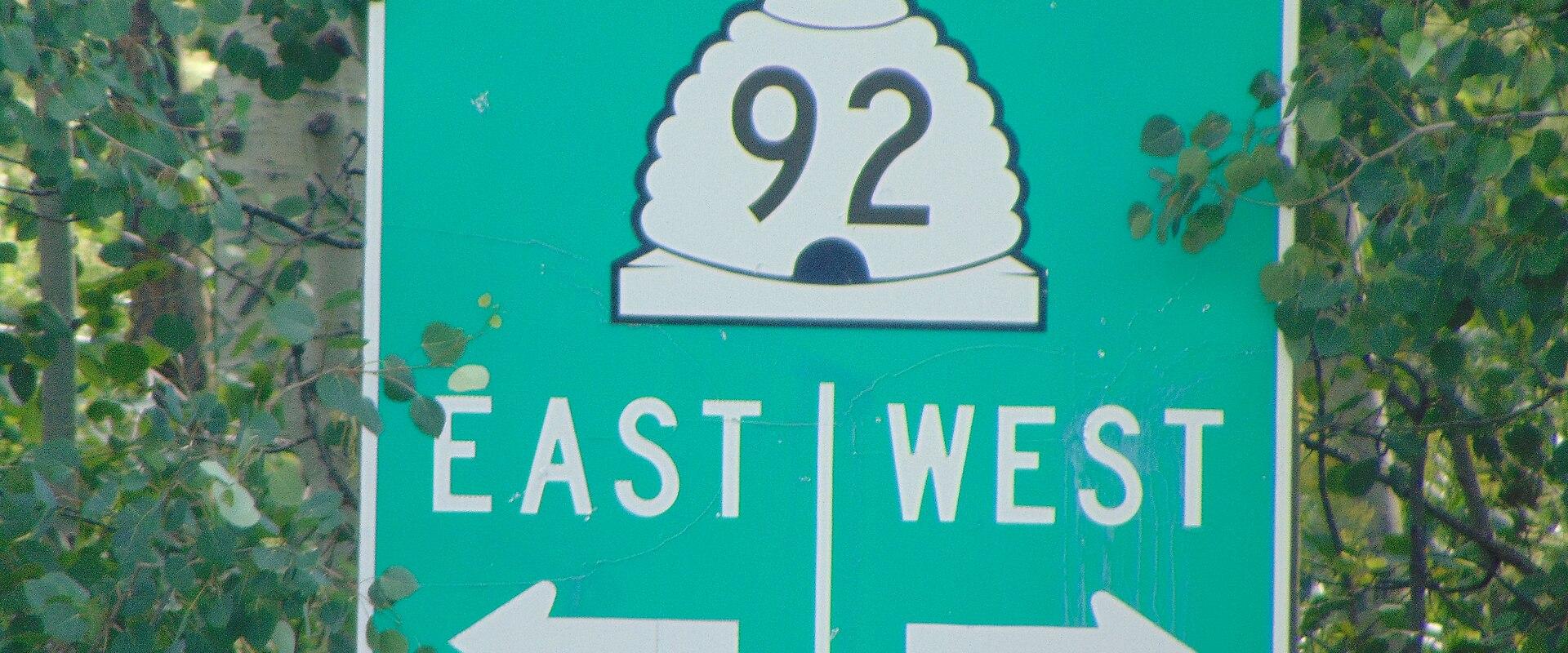
Utah offers diverse terrain, from alpine peaks to desert canyons. The state features dozens of designated scenic byways. Drivers must exercise caution due to variable road conditions. High-elevation routes like the Nebo Loop byway require attention. The Mirror Lake byway spans 42 miles through the Uinta Mountains. The Potash-Lower Colorado River route spans 17 miles. SR-12 is a nationally designated All-American Road. Alpine Loop (SR-92) spans 20 miles. It offers views of Mount Timpanogos. This route is best in late May through October. The Guardsman Pass road between Big Cottonwood Canyon and Park City reaches about 9,700 feet. This road is closed in winter. Big and Little Cottonwood Canyons are accessible year-round. However, 4WD or M+S tires are required in winter. Drivers should set cruise control to 5 mph below the limit. This ensures a safe and controlled experience. Always check vehicle suitability before departure. Utah's unique landscape demands careful navigation. Plan routes according to seasonal conditions. Ensure your vehicle is equipped for high elevations. Safety is paramount on these byways.
Seasonal Accessibility
High-elevation routes require seasonal preparation. The state features specific closures in high-elevation areas. Drivers must check weather forecasts before travel. Road conditions vary significantly by season. The Guardsman Pass road reaches about 9,700 feet. This pass closes in winter. The Alpine Loop is typically open from late May through October. Big and Little Cottonwood Canyons are suitable year-round. However, winter driving often requires 4WD, AWD or traction tires. Tires must be suitable for winter conditions. The 124-mile route through Bryce is distinct. Drivers must plan for variable weather. High-elevation routes demand caution. Always check current road conditions. Winter travel requires specific vehicle preparation. Summer drives offer clear, open roads. Always verify seasonal accessibility before departure. Utah's terrain changes with the seasons. Plan accordingly for safe travel.
Route Highlights
Utah features dozens of designated scenic byways. These routes showcase diverse landscapes. The Nebo Loop Byway climbs past Mount Nebo between Payson and Nephi. It provides high-elevation views for drivers and closes in winter. The Mirror Lake Scenic Byway spans 42 miles. This route traverses the Uinta Mountains. Drivers encounter distinct alpine scenery here. The Potash-Lower Colorado River route is 17 miles long. It sits in eastern Utah. This drive features stark desert landscapes. It is considered one of the most breathtaking options. Guardsman Pass lies in the Wasatch Mountains. It is accessible by road or trail. Little Cottonwood Canyon serves as a natural playground. It is smaller than its northern neighbor. SR-92 offers a 20-mile loop in Utah County. It provides views of Mount Timpanogos. Fall foliage peaks in late September and early October. The Guardsman Pass road reaches about 9,700 feet in elevation. This pass closes during winter months. SR-12 is a 124-mile All-American Road. It passes through Bryce Canyon. Drivers should set cruise control to 5 mph below the limit. This helps savor the scenic journey.
Driving Safety Tips
Utah’s scenic byways demand strict adherence to safety protocols. Drivers must prioritize caution on narrow canyon roads. The Potash-Lower Colorado River route spans 17 miles. This eastern Utah stretch requires intense focus. Set cruise control to 5 mph below the limit. This practice helps drivers savor the journey safely. High-elevation routes like the Nebo Loop Byway vary. Weather conditions change rapidly at these altitudes. Maintain a safe following distance on all routes. The Mirror Lake Scenic Byway covers 42 miles. Long stretches require sustained attention and alertness. Avoid distractions completely while navigating these paths. SR-12 is a 124-mile All-American Road. Its length demands consistent vigilance and planning. Big and Little Cottonwood Canyons feature narrow granite roads. These paths connect to major ski resorts. Winter travel requires 4WD or M+S tires. SR-92 offers a 20-mile loop in Utah County. Fall foliage peaks in late September and early October. Drivers must stay alert for wildlife crossings. Guardsman Pass reaches about 9,700 feet. This pass closes in winter due to snow. Always check current road conditions before departure. Utah’s diverse terrain presents unique driving challenges. Respect speed limits and road signs strictly.
Essential Preparations
Utah’s scenic drives demand rigorous vehicle preparation. High-elevation routes like Guardsman Pass reach about 9,700 feet. Winter closures are common on these mountain roads. Drivers must ensure their vehicle is in optimal condition. All-wheel drive or four-wheel drive is often necessary. The Big and Little Cottonwood Canyons require 4WD or M+S tires in winter. These narrow granite roads pose specific traction challenges. Essential supplies must include extra water and food. Fuel stations are sparse in remote areas, so fill up in towns such as Moab before heading out. Check weather forecasts before departing. Road conditions change rapidly in Utah’s diverse terrain. The Mirror Lake Scenic Byway spans 42 miles through the Uinta Mountains. High altitudes affect vehicle performance and driver stamina. Carry emergency kits with blankets and first aid. Monitor local road status updates for closures. The Nebo Loop Byway is closed in winter and requires caution. Always set cruise control below the speed limit. This practice enhances safety on winding canyon roads. Utah’s 28 designated scenic byways present unique hazards. Proper preparation ensures a safe and enjoyable journey through the state’s varied landscapes.



