







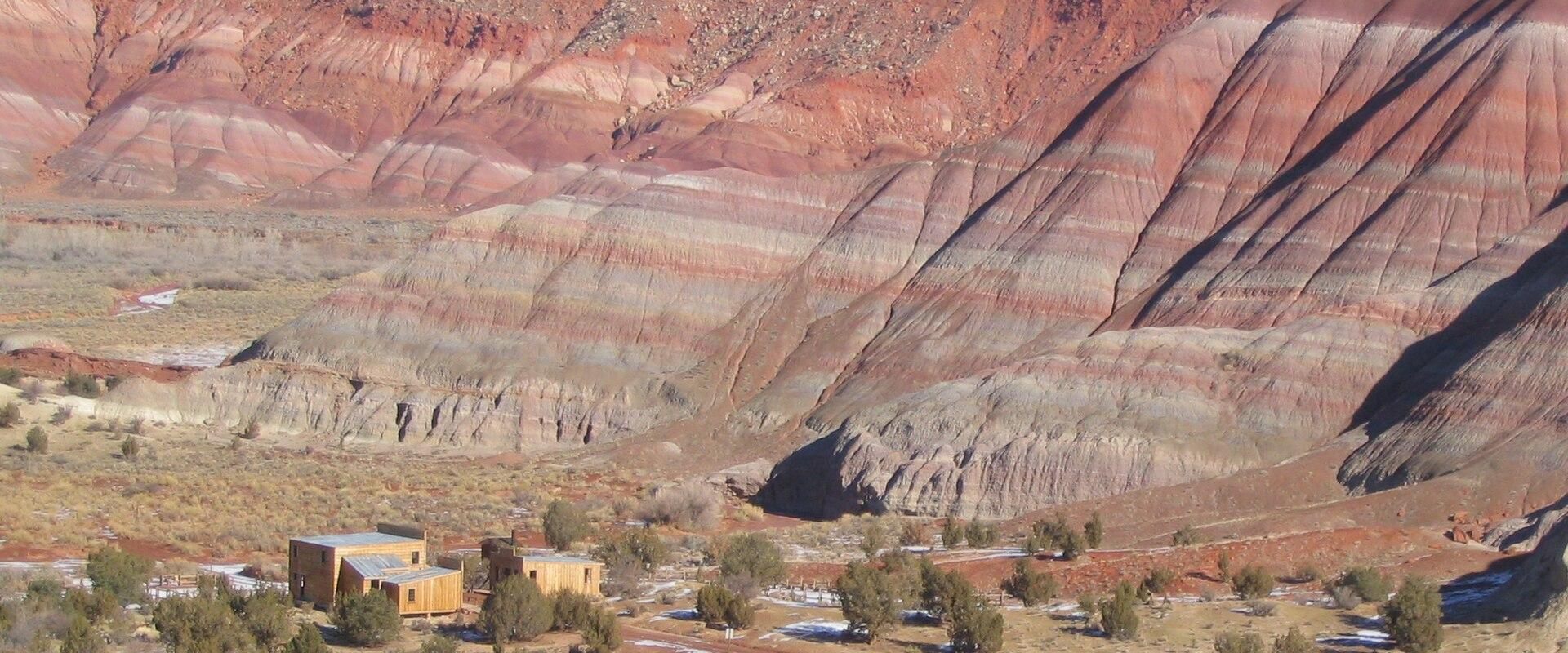
Utah’s semi-arid climate demands strategic layering. High-altitude regions experience sharp temperature swings. Mornings remain cold, while midday sun intensifies heat. You must pack a versatile layering system. Start with a moisture-wicking base layer. Add a mid-layer, such as a fleece, for insulation. A breathable outer shell protects against wind. This structure manages thermal regulation effectively. The semi-arid environment requires specific gear. Sun protection is critical during high-altitude exposure. You need a brimmed hat for daily protection. Sunscreen is essential to prevent burns. The dry air increases dehydration risks. Carry a reusable water bottle at all times. This approach ensures safety across diverse landscapes. The gear supports both hiking and rest. Proper clothing manages the extreme heat. You stay comfortable in varying conditions. The system adapts to changing weather. This strategy is essential for safety. You remain protected in all conditions.
Footwear for rugged terrain
Sturdy hiking boots are essential for Utah’s rugged terrain. Mid-height boots provide necessary ankle support. You must break in these boots before your trip. This prevents blisters on long, rugged trails. The terrain is often rocky and uneven. Proper traction is critical for safety. Water shoes are also necessary for specific activities. Closed-toe water shoes or canyoneering boots suit water activities. It is ideal for the Narrows in Zion. This slot canyon requires wading through cold water. You must keep your feet dry and secure. Comfortable camp shoes are vital for rest periods. They allow your feet to recover after hiking. Wear them around the campsite or lodge. This reduces fatigue during downtime. Utah’s diverse landscapes demand specialized gear. High elevations and desert floors vary significantly. Your footwear choice impacts your entire experience. Prioritize durability and comfort in your selection. Pack extra socks to manage moisture. Wet feet lead to discomfort and injury. Ensure all footwear fits properly before departure. Test them on local trails if possible. This preparation ensures a safer, more enjoyable trip. Utah’s environment is unforgiving without proper gear. Plan your footwear strategy carefully. It is a key component of your packing list.
Sun Protection Essentials
Utah’s high altitude intensifies UV exposure significantly. You must pack high-SPF sunscreen, specifically SPF 30 or higher. Apply it generously before entering parks like Arches or Zion. The dry desert air offers little natural shielding. Protective clothing is equally critical for safety. Pack long-sleeved, breathable shirts to block rays. A lightweight sun hoody is a good option. It manages heat while providing consistent coverage. A wide-brimmed hat is mandatory for face protection. It shields your neck from direct sunlight. It prevents squinting during long, bright hikes. UV-protective sunglasses are essential for eye safety. Polarized sunglasses offer reliable glare reduction. They protect against intense desert reflections. Do not neglect your lips. SPF lip balm prevents painful cracking and burns. Pack extra supplies for multi-day trips. Reapply sunscreen every two hours or after sweating. Utah’s sun is unforgiving at elevation. Proper gear prevents severe sunburn and heat stress. Prioritize these items for a safe visit.
Hydration and Hygiene Essentials
Utah’s extreme heat demands rigorous hydration planning. July highs average around 100°F (38°C) in places like St. George and Moab. Carry at least a gallon of water per person on hot days. Dehydration risks rise sharply in desert environments. Pack durable, reusable water bottles or a hydration bladder. This design prevents spills during strenuous hikes. Cell service is non-existent in remote areas. Coordinate with companions using walkie-talkies if traveling in groups. The arid air causes rapid moisture loss. Your skin and lips require constant protection. Apply SPF lip balm frequently to combat intense desert dryness. Pack a high-quality moisturizer for evening use. Temperatures drop significantly after sunset. Bring a reliable headlamp. Early starts and evening explorations require clear visibility. This ensures safety during low-light conditions. Hygiene items must be compact and effective. Avoid heavy creams that attract insects. Focus on lightweight, high-protection formulas. These essentials maintain health in Utah’s unique climate. Proper preparation prevents medical emergencies in the field.
Layering and Gear Strategy
Utah’s diverse landscapes require a strategic layering system. Temperatures shift rapidly across varying elevations. You must pack a moisture-wicking base layer. This keeps sweat away from your skin during hikes. Add a warm, insulating fleece for cool evenings. A light fleece hoody provides essential warmth. It regulates body temperature when the sun sets. Pack a windproof and water-resistant outer layer. This protects against sudden desert storms and high winds. Versatility is critical for adapting to changing weather conditions. A lightweight sun hoody serves as a sun shirt. It manages heat during intense midday desert conditions. You must carry a day pack for all layers. A pack of around 30 liters fits all gear. This allows you to shed layers as needed. Adjust your clothing based on real-time temperature changes. This strategy ensures comfort in Arches, Zion, and Bryce Canyon. Proper layering prevents overheating and hypothermia risks. You must be prepared for four seasons in one day. This approach maximizes safety and enjoyment across all park environments.



