







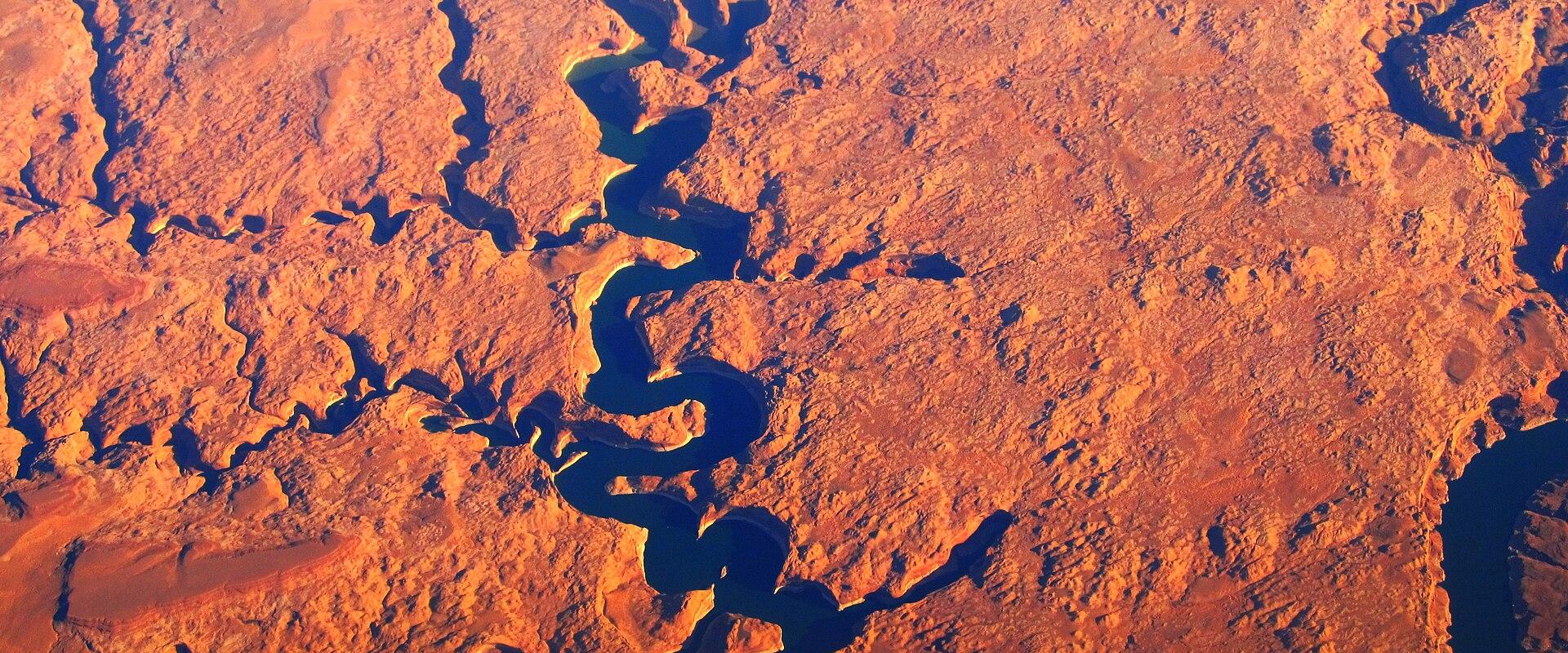
Utah’s high desert climate demands precise preparation. Temperatures fluctuate sharply between day and night. Hikers must layer clothing to manage these rapid changes. Even in summer, evening temperatures drop significantly. Moisture-wicking fabrics are essential for comfort and safety. The dry climate requires carrying at least one liter of water per hour. Sun protection is critical, requiring SPF 30+ sunscreen and hats. Terrain varies from red rock canyons to alpine forests. Footwear must offer grip on loose sandstone and support on rocky trails. Hikers must check weather forecasts closely for flash flood risks. Remote areas require GPS or offline maps for navigation. Wildlife, including snakes and scorpions, requires constant awareness. Always adhere to Leave No Trace principles. Prepare for harsh conditions to ensure a safe experience in the high desert environment.
The Layering Strategy for Variable Conditions
Utah’s high desert climate demands precise preparation. Temperatures fluctuate sharply between day and night. Hikers must layer clothing to manage these rapid changes. Even in summer, evening temperatures drop significantly. Start with a moisture-wicking base layer. Synthetic materials or wool work best. Avoid cotton, which retains moisture and cools the body. This layering system allows for temperature adjustment. Add a heavier sweater or jacket for cold nights. A fold-up rain poncho is essential for sudden storms. Utah’s diverse landscapes range from red rock canyons to alpine forests. High-elevation trails require extra insulation. Check weather forecasts closely before hiking. Flash floods are a risk in slot canyons. Always carry extra layers in your pack. This strategy ensures safety during variable conditions. Plan for heat in the day and cold at night. Proper gear prevents hypothermia in high elevations. Always check local conditions before starting your trail.
Hydration and Sun Protection
Utah’s high desert climate demands precise hydration. Hikers must carry at least one liter of water per hour. This volume is essential for the dry, arid conditions. Dehydration risks increase rapidly in direct sunlight. Plan for extra water in case of delays. The terrain often requires more exertion than expected. Sun protection is equally critical in this environment. Use high-SPF sunscreen, specifically SPF 30 or higher. This level of protection shields skin from intense UV radiation. The high altitude amplifies UV exposure significantly. Wear a wide-brimmed hat to shade your face. This simple gear choice prevents heat-related illnesses. UV-protective sunglasses are also necessary for eye safety. They reduce glare from the bright, open sky. These measures are standard for Utah’s unique landscape. Always check local weather forecasts before starting a hike. Sudden storms can change conditions in minutes. Prepare for both heat and potential rain. This dual approach ensures safety in variable conditions. Always prioritize hydration and sun protection on every trail.
Footwear and Gear for Rocky Terrain
Utah’s rugged terrain demands sturdy, ankle-supporting hiking boots. The state’s red rock canyons feature sharp, uneven sandstone. Hikers must wear boots with grippy soles to navigate the rock safely. Thick, moisture-wicking socks are essential to prevent blisters. The dry climate accelerates sweat evaporation, increasing friction risks. Always inspect footwear condition before each hike. Check for worn soles or loose stitching that could cause injury. Flip-flops are unsuitable for trail hiking. They offer no protection against rocks or thorns. Utah’s diverse landscape includes high desert and alpine zones. Both require durable footwear for safety. Hikers must prioritize support over lightweight convenience. Proper gear ensures stability on steep, rocky inclines. This preparation is critical for a safe experience in Utah’s unique geology.
Permits, Regulations, and Leave No Trace
Hikers must check specific permit requirements for each trail. Many popular areas in Utah require advance booking. Angels Landing in Zion and The Wave, just across the Arizona line, require permits allocated by lottery. Always verify current regulations before hiking. Utah’s diverse landscapes demand strict adherence to local rules. Fire restrictions may apply during dry seasons. Always check local fire restrictions before starting a hike. Wildlife protection closures are also common in sensitive areas. Hikers must respect these closures to protect local wildlife. Follow 'Leave No Trace' principles strictly. Pack out all trash and waste. Do not leave any trace of your visit. Stay on designated trails to protect fragile ecosystems. Utah’s red rock terrain is delicate and easily damaged. Staying on trails preserves the natural beauty of the area. Adhere to guidelines to preserve the integrity of the backcountry. This ensures the land remains intact for future visitors. Always check specific permit requirements for each trail. This is essential for a responsible and safe hike.



