







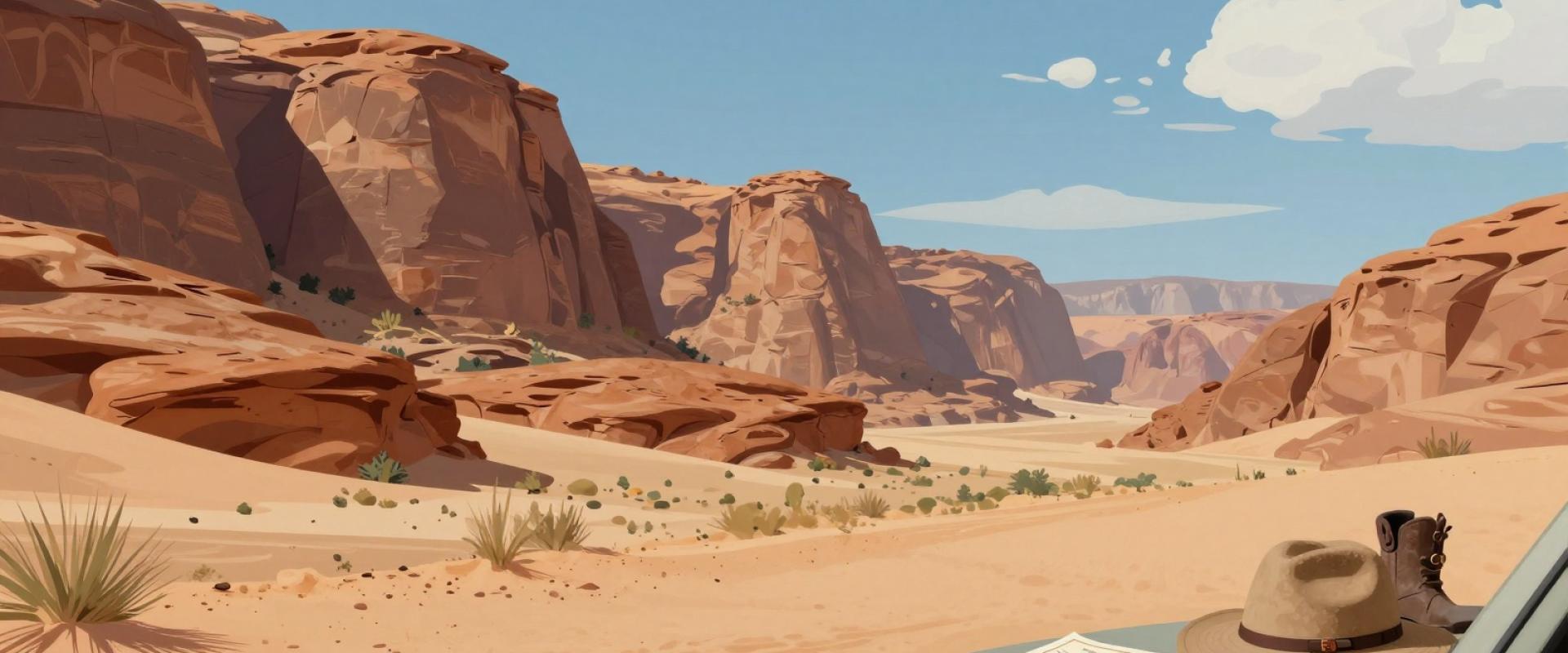
Strategic Timing and Seasonal Realities
Spring and fall offer optimal conditions for Utah’s national parks. Summer brings extreme heat to desert canyons like Zion and Arches. Temperatures often exceed 100°F, creating dangerous hiking conditions. Winter storms can temporarily close high-altitude roads, including routes to Bryce Canyon. Snow tires or four-wheel drive help in the mountains. Altitude differences significantly impact travel plans. SLC sits at about 4,200 feet, while the rim of Bryce Canyon exceeds 8,000 feet. Visitors may feel the altitude at the higher parks. Book permits months in advance for popular sites. The America the Beautiful pass covers entry fees. Plan itineraries around seasonal road availability. I-70 between Green River and Salina runs more than 100 miles with no services. Refuel before crossing this route. Public transit does not connect major parks. Rent a car for efficient exploration. Spring and fall provide the best weather balance. Avoid peak summer heat for safer hiking.
Rent a car for efficient exploration. Public transit does not connect major parks. SLC International Airport serves as the primary gateway. Fly into Salt Lake City for direct access. Consider Las Vegas for alternative entry. I-15 serves as the main north-south artery. I-70 offers a scenic, remote cross-country route. Refuel before crossing remote stretches. A rental vehicle is mandatory for exploration. Plan four to six months ahead. Book permits for sites like The Wave early. Secure the America the Beautiful pass. This pass covers entry fees. Winter conditions require specific vehicle preparation. Check road status before traveling. High-altitude areas may have snow. Ensure your vehicle is equipped for cold weather. Plan routes carefully to avoid getting lost. Utah’s terrain is diverse and rugged. Proper preparation ensures a safe trip.
Securing Permits and Park Passes
Plan permits months in advance. Iconic sites like The Wave require strict advance booking. This prevents denied access at the gate. Purchase the America the Beautiful pass for cost efficiency. It covers entry to major parks. The five major parks include Zion and Arches. Each requires separate entry consideration. Backcountry activities need separate, specific permits. Do not assume general entry covers all areas. Verify specific requirements for each trail. Check the official website for current rules. Availability is limited for popular slots. Book early to secure your spot. Late applications often result in rejection. Ensure all digital passes are printed. Carry physical copies as backup. This avoids entry denial at checkpoints. Plan logistics early to avoid stress. Secure access before arriving in Utah.
Accommodation Strategies and Booking
Book lodging three to six months in advance. This is critical for summer travel in Utah. High demand fills hotels in Zion and Moab quickly. Use platforms like Booking.com or Vrbo for standard stays. These sites offer reliable availability for standard hotels. For camping, use the Recreation.gov platform. This system manages reservations for federal lands. It is essential for securing spots in national parks. Book early to secure a campsite. Last-minute options are rare and limited. Alternative locations offer better availability and lower prices. Consider staying in nearby towns outside the parks. These areas often have more open rooms. They provide a practical alternative to crowded gateways. This strategy ensures a place to stay. It also reduces stress during peak travel seasons. Plan ahead to secure the best rates. Early booking guarantees accommodation availability. It prevents last-minute shortages and high costs. This approach ensures a smooth and organized trip. It allows for a stress-free vacation experience. You can focus on exploring the landscape. The advance booking secures your specific needs. This is the most reliable way to travel in Utah.
Essential Gear and Safety Preparation
Carry extra water in desert heat. Temperatures often exceed 100°F in canyons. Sun protection is mandatory for all visitors. Pack layers for high-altitude changes. Winter trips require snow chains for safety. I-70 travel demands extra preparation. Check tire pressure before remote drives. Refuel vehicles before leaving major hubs. Cell service is unreliable in canyons. Download offline maps before arrival. GPS signals often fail in canyons. Carry physical maps as backup. Pack extra batteries for electronics. Sunscreen is essential for exposed skin. Wear sturdy boots for rocky terrain. Always inform others of your route. Check weather forecasts daily. Prepare for sudden temperature drops. Carry extra water for all hikes. Sun protection is critical in summer. Hydration is essential for safety. Plan routes before entering remote areas. Ensure vehicles are fully serviced. Check chain requirements for winter travel. Verify park pass availability. Prepare for extreme heat conditions. Stay hydrated in desert environments. Sun protection is vital for health. Hydration prevents heat-related illnesses. Plan carefully for safety.



