







Historical Foundations
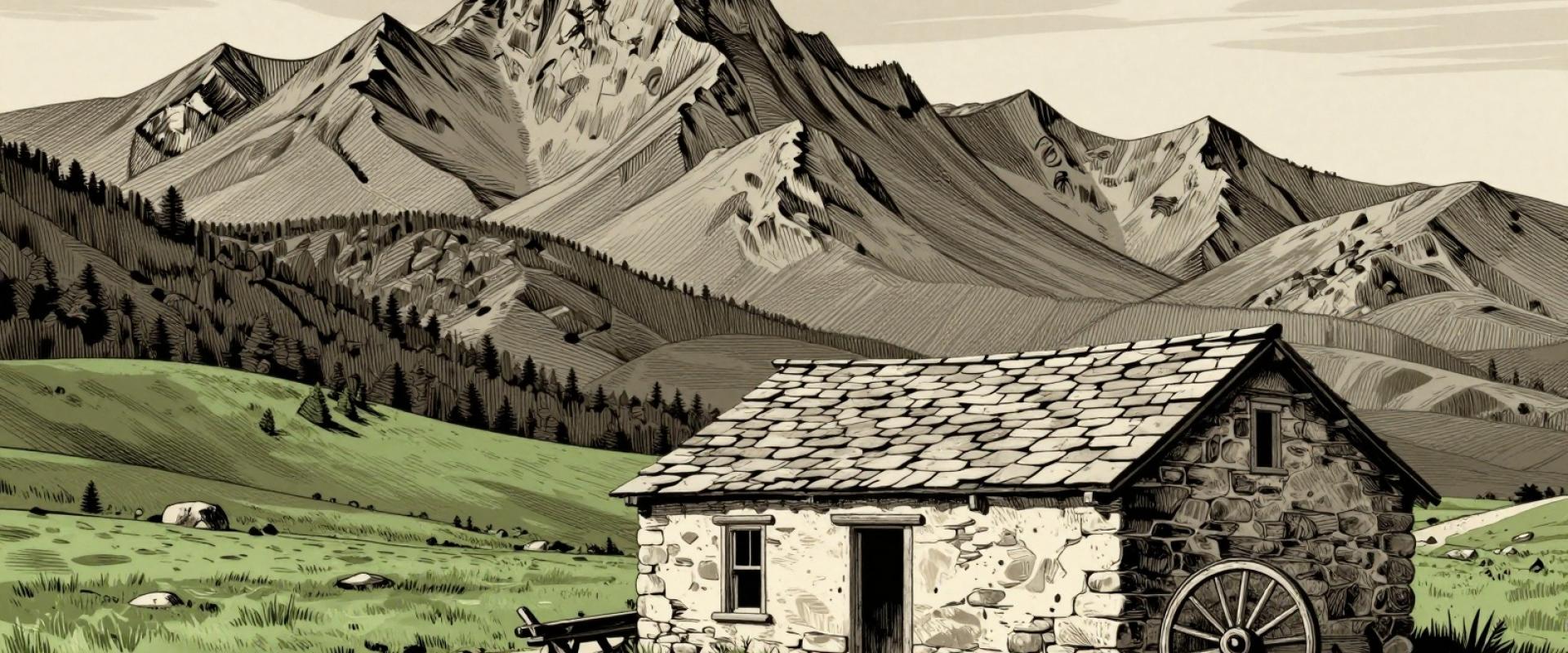
In 1847, Mormon pioneers arrived in the Salt Lake Valley. This event marks the start of permanent settlement. The Pioneer Era defined early Utah culture. Settlers built communities based on religious principles. They constructed durable structures using local materials. Stone and brick became standard building materials. Towns like Provo and St. George reflect this heritage. Their architecture features robust stone and brick facades. These structures preserve the historical identity of the region. The visual landscape remains shaped by these early choices. The architectural style serves as a historical record. It connects modern residents to their ancestral past. This heritage is a core component of local identity. The physical structures stand as testaments to early resilience. They provide a tangible link to the past. This historical foundation remains a central part of the culture.
Pioneering Trails and Routes
The Mormon Pioneer Trail connects Illinois to Utah. This route defines early western settlement history. Settlers traveled westward to establish new communities. The trail marks a significant historical path. The Old Spanish Trail also holds importance. It facilitated trade and cultural exchange in the region. These routes shaped the state's early development. Travelers can explore preserved segments of these paths. Visiting sites like Emigration Canyon offers historical insight. The terrain reflects the challenges early pioneers faced. Hiking these trails provides a tangible connection to the past. Visitors can walk the same ground as early settlers. This experience highlights the rugged nature of early travel. The landscape preserves the memory of early migration. Exploring these routes offers a deeper understanding of local history. The physical trail remains a key historical landmark. It serves as a reminder of early perseverance. The path connects past events to the present landscape. This connection preserves the cultural heritage of the region. The trail remains a significant historical site for visitors.
Preserved Historic Towns
Utah’s landscape is dotted with charming historic towns that offer a captivating glimpse into the pioneer era. Parowan and Fillmore stand out as premier destinations for history enthusiasts. Parowan, settled in 1851, preserves its pioneer-era Old Rock Church, while Fillmore, the first territorial capital, keeps the Territorial Statehouse, Utah's oldest existing government building. Visitors can explore local museums filled with artifacts that tell the story of early settlement and survival. Guided tours are readily available, led by knowledgeable locals who share fascinating anecdotes and deep insights into the region’s rich heritage. Travelers experience an immersive journey back in time, connecting with the resilience and spirit of Utah’s foundational communities in a tangible and memorable way.
Native American Heritage Sites
Five Native peoples, the Navajo, Ute, Paiute, Goshute and Shoshone, live in Utah, organized into eight federally recognized tribes. These nations inhabited the region for millennia before European contact. Their legacy persists in distinct archaeological sites across the state. Visitors can explore Ancestral Puebloan dwellings in Canyonlands National Park. These structures date back over 700 years. Fremont culture petroglyphs appear at sites like Dinosaur National Monument. These carvings depict human and animal figures from the 600s to 1300s. Respectful visitation is mandatory at all heritage locations. Do not touch or remove artifacts from any site. Many areas remain sacred to living tribal communities. Learn through tribal-led interpretive programs offered by local nations. These programs provide accurate historical context and cultural significance. Support tribal enterprises by purchasing authentic crafts directly from artisans. This economic support helps preserve traditional skills. Always check specific site regulations before visiting. Some areas require permits or guided tours. Understanding the deep history enriches the Utah experience significantly.
Practical Visiting Guidelines
The road to the Grafton ghost town is partly unpaved, so check conditions after rain. Carry extra water in the heat. Check opening hours for historic buildings before arrival. Many sites close early in winter. Respect private property boundaries strictly. Stay on designated paths to protect artifacts. Do not touch ancient petroglyphs. Remove artifacts is illegal. Follow all posted signage at heritage sites. Respect cultural sensitivities of local tribes. Do not enter restricted areas. Plan visits during spring or fall. Avoid midday heat in summer. Check admission fees online first. Some sites charge entry fees. Others are free to the public. Plan for limited cell service in remote areas. Download maps before arriving. Bring cash for small town vendors. Support local preservation efforts. Follow all safety guidelines. Stay hydrated in the dry climate. Wear appropriate footwear for rugged terrain. Respect the history and the land.



