







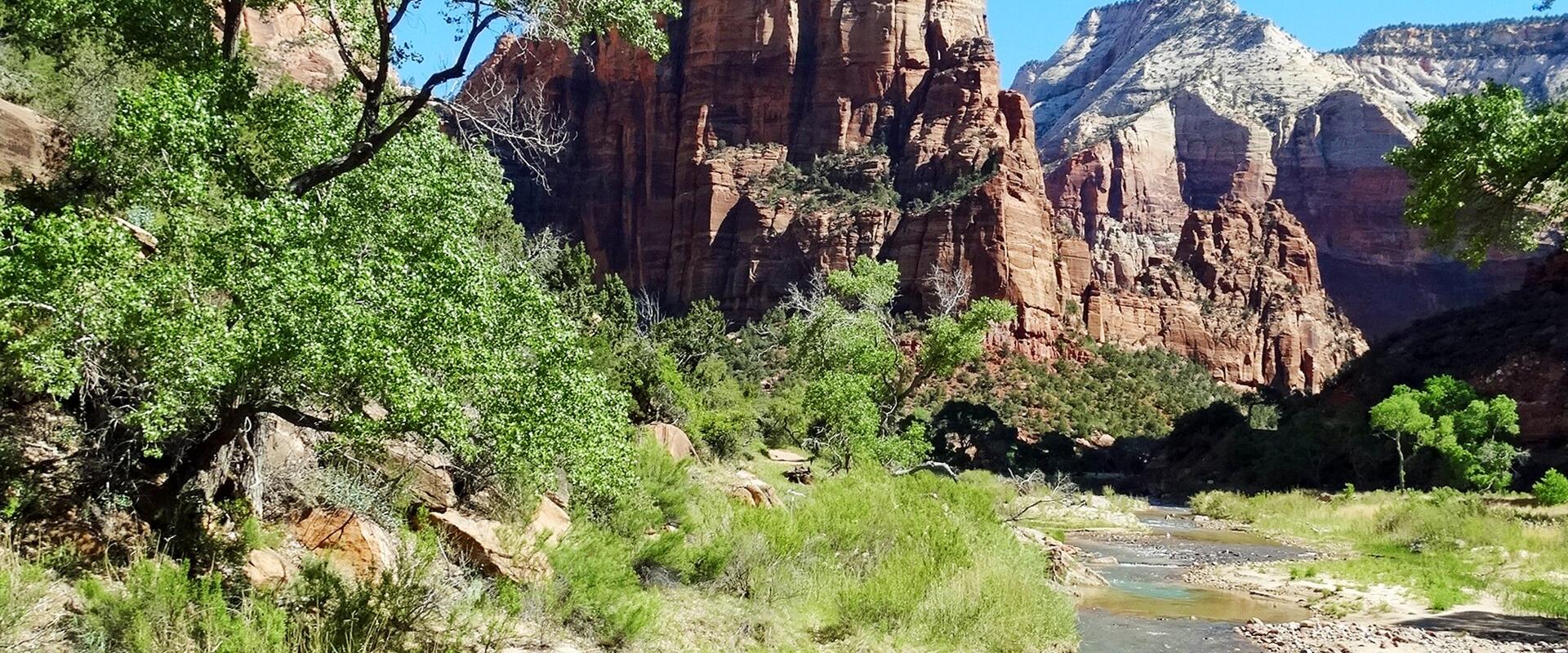
Utah’s high desert terrain demands precise preparation. The climate is arid, with high altitude conditions that change rapidly. You must plan for sparse infrastructure in remote areas. Cellular coverage is limited or nonexistent in many backcountry zones. Relying on digital maps is risky without offline data. High-clearance vehicles are essential for navigating rugged, unpaved roads. Standard cars often cannot handle the rough desert tracks. Water supplies are critical and must be carried in quantity. Fuel stations are distant, requiring careful route planning. Always check road conditions before departing for isolated regions. The Mighty 5 parks offer structured access, but true off-the-beaten-path exploration requires self-sufficiency. Safety remains your priority. Prepare for isolation. Carry extra water, food, and emergency supplies. Verify vehicle readiness for high-clearance requirements. Respect the harsh, beautiful environment. Plan every detail to ensure a safe return. Utah’s landscape is stunning but unforgiving without proper preparation.
Permits, Passes, and Regulations
Utah’s remote landscapes span federal jurisdictions. You must understand specific access rules. The annual America the Beautiful pass covers entry fees. This pass works at national parks like Zion and Arches. It also applies to national monuments. However, it does not cover all areas. Many off-the-beaten-path sites lie on Bureau of Land Management territory. These lands often require no fee. Yet, some special use zones need permits. Check local BLM office regulations before travel. Forest Service lands in the Uinta Mountains have different rules. Camping may require a permit in certain zones. Always verify current status online. Fire restrictions vary by county and season. High winds often trigger total bans. You cannot build open fires in many remote areas. Use established stoves only. Leave No Trace principles are mandatory. Pack out all waste. Do not disturb cultural artifacts. Utah’s high desert is fragile. Vehicle tracks are illegal off designated roads. Stay on marked trails to prevent erosion. Regulations protect these wild spaces. Ignorance of the law is not an excuse. Fines for violations can be steep. Plan your route carefully. Confirm permit requirements for each specific zone. Remote travel demands strict compliance. Respect the land and its rules.
Vehicle Preparation and Safety
Remote Utah terrain requires robust equipment. Standard cars fail on slickrock. High-clearance, four-wheel-drive vehicles are essential. You must navigate steep, rocky inclines. Tires must handle loose gravel. Spare tires are mandatory. Flat tires strand travelers in remote areas. Repair kits are essential for self-rescue. Carry extra fuel for long distances. Gas stations are sparse in the desert. Satellite communicators are critical for safety. Cell service is unreliable in canyons. You must have a backup communication plan. Comprehensive first aid kits are necessary. Injuries can occur far from help. Prepare for extreme temperature changes. Days are hot, but nights are cold. Always carry extra water and food. Check tire pressure before every trip. High altitude affects vehicle performance. Ensure your engine is in good condition. Brake systems must be in top shape. Descending steep canyons requires careful braking. Overheating is a significant risk. Carry extra cooling fluid. Check all lights and signals. Ensure your vehicle is visible. Inform someone of your travel plans. Provide an estimated return time. This is critical for rescue operations. Do not travel alone in remote areas. The risk of isolation is high. Always carry a satellite communicator. It is your only link to help. Check weather forecasts before departure. Sudden storms can block trails. Be prepared for sudden weather changes. Utah’s terrain is unforgiving. Respect the environment and your limits. Plan carefully for a safe trip.
Responsible Exploration Practices
Utah’s remote landscapes require strict ethical adherence. You must follow Leave No Trace principles everywhere. Pack out all waste, including food scraps. Do not leave any trace of your visit. Protect cryptobiotic soil crusts in the high desert. These biological crusts prevent erosion and fix nitrogen. Avoid walking on dark, black soil patches. Stick strictly to designated trails and slickrock paths. Breaking these crusts causes irreversible ecological damage. Respect private property boundaries in rural Utah. Many remote areas are privately owned ranches. Post signs indicate restricted access zones. Do not trespass on gated roads or fields. Honor cultural sites and ancient artifacts. Ancestral Puebloan ruins and petroglyphs are protected by law. Do not touch, carve, or remove any items. Disturbing these sites is a federal offense. Utah’s Mighty 5 parks enforce these rules strictly. Rangers monitor remote areas for violations. Fines for littering or vandalism are substantial. You must carry sufficient water and supplies. Emergency services are distant in off-the-beaten-path regions. Plan your route carefully before departure. Inform someone of your itinerary and expected return time. Carry a satellite communicator for emergencies. Cell service is unreliable in deep canyons. Respect wildlife from a safe distance. Do not feed or approach animals. Keep dogs leashed at all times. Utah’s ecosystems are fragile and unique. Your actions directly impact their preservation. Explore responsibly to ensure long-term conservation.
Planning Your Remote Adventure
Detailed itineraries are critical for safety in Utah’s remote regions. Share your specific route with trusted contacts before departure. Check road conditions daily via Utah DOT resources. Seasonal accessibility varies significantly across the state. Winter closures often affect high-altitude passes. Spring runoff can wash out dirt roads. Adaptability is essential when navigating isolated areas. Cell service is unreliable in many counties. Satellite communicators provide necessary backup for emergencies. Prioritize safety over rigid schedule adherence. Turn back if weather conditions deteriorate. Carry extra water and non-perishable food. Utah’s arid climate demands higher hydration rates. Plan for longer travel times than maps suggest. Terrain slows vehicle progress on slickrock surfaces. Respect local regulations regarding public land use. Obtain required permits for backcountry camping. These permits are available through federal agencies. Follow Leave No Trace principles strictly. Pack out all waste and trash. Do not disturb historical artifacts or structures. Utah’s fragile ecosystem requires careful protection. Stay on designated trails to prevent erosion. Respect wildlife by maintaining safe distances. Report any hazards to local authorities. This helps maintain safety for future visitors. Prepare for rapid temperature drops at night. Layered clothing ensures comfort in changing conditions. Verify vehicle readiness before entering remote zones. Carry spare tires and basic repair tools. Fuel up in towns before long stretches. Gas stations are sparse in eastern Utah. Plan stops carefully to avoid running dry. Emergency response times can be lengthy. Patience and preparation ensure a successful trip.



