







Hotels & Resorts
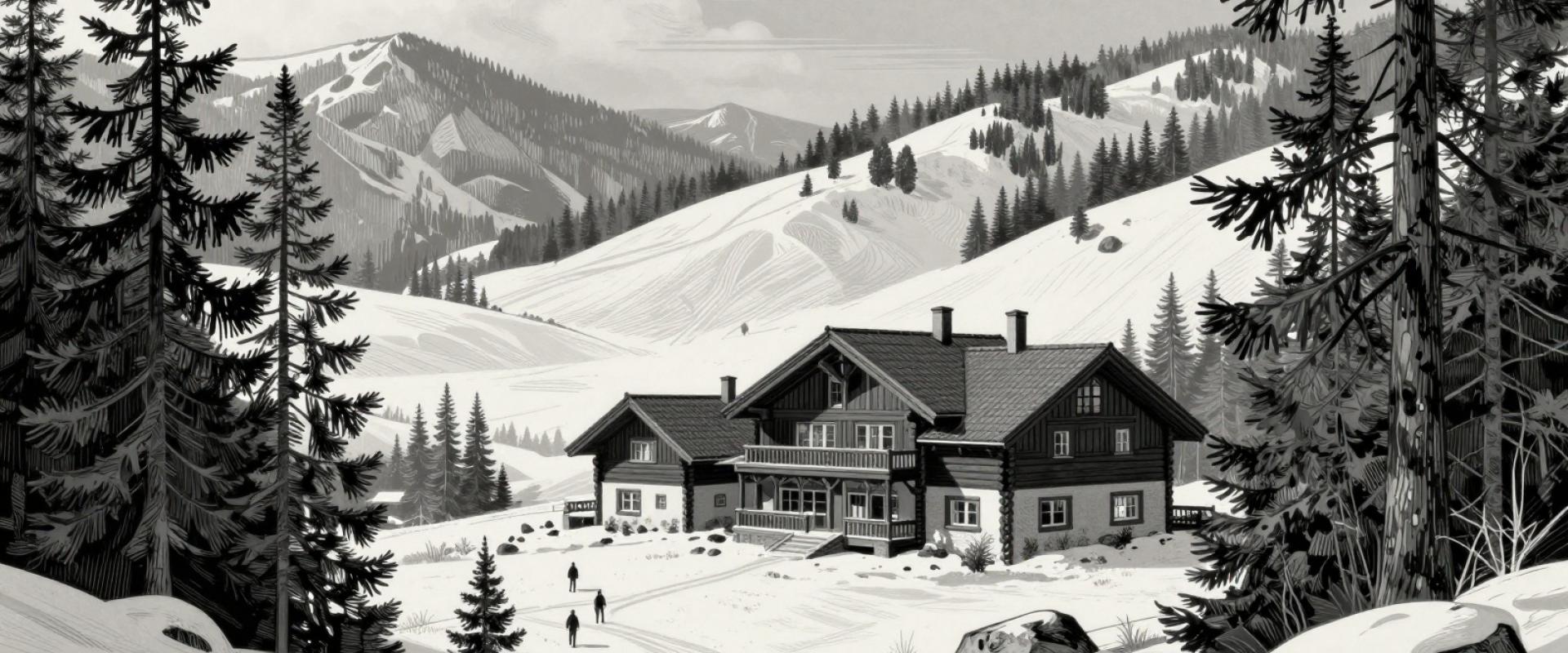
Utah's lodging landscape reflects its geography. In the south, stays cluster around the national parks, with options ranging from chain motels and lodges to glamping tents, yurts and secluded ranches. In the north, lodging revolves around the ski resorts of the Wasatch, where Deer Valley's new East Village development has added slope-side hotels and terrain. Salt Lake City sits between the two as an urban base with the widest choice of prices. State parks add campgrounds and a few cabins for budget travelers. The right choice depends on the season and the region: winter favors the northern mountains, while spring and fall are peak time in the desert parks.
Strategic Location Selection
Location strategy depends on specific regional goals. Southern Utah prioritizes national park proximity. Springdale offers convenient access to Zion National Park. Staying inside the park requires early booking. This option eliminates daily commute times significantly. Moab provides a central hub for desert exploration. Town accommodations offer dining and fuel services. Remote desert stays provide isolation and stargazing. These locations lack immediate utility services. Northern Utah utilizes Salt Lake City as a primary hub. This city serves as a logistical base. Travelers access ski resorts from this location. Deer Valley's East Village expansion adds slope-side hotels aimed at high-end ski traffic. The Lodge at Blue Sky offers wellness retreats. This location focuses on health and relaxation. It sits apart from major urban centers. Strategic selection balances convenience against desired isolation. Park-adjacent towns offer higher prices for proximity. Remote locations require self-sufficiency planning. Urban hubs provide diverse dining and transport. Each region demands different logistical preparation. Travelers must weigh commute times against accommodation costs. Southern stays often involve longer driving distances. Northern stays benefit from centralized infrastructure. Understanding these differences optimizes the travel itinerary. Proper location choice enhances the overall experience.
Ski Resort and Mountain Lodging
Deer Valley's East Village expansion introduces slope-side luxury hotels. New hotels now sit directly on the mountain. This development enhances immediate access for guests. Snowmaking technology improvements ensure consistent winter conditions. Park City offers distinct village dynamics for visitors. The area blends high-end retail with lodging options. Seasonal rate fluctuations significantly impact booking costs. Peak winter months command the highest prices. Travelers should plan budgets around these spikes. Altitude affects physical comfort and sleep quality. Most resorts operate above 6,000 feet elevation. Acclimatization is necessary for new arrivals. Shuttle logistics are critical for mountain access. Many hotels provide complimentary shuttle services. These shuttles connect lodges to ski lifts. Public transit options exist in Park City. They reduce the need for personal vehicles. Parking fees can add to daily expenses. Booking early secures better slope-side locations. Deer Valley remains a top choice for luxury. Its reputation attracts high-spending international tourists. The expansion signals continued investment. Future developments may alter the current landscape. Guests should verify shuttle schedules upon arrival. Mountain roads require careful navigation in snow. Winter tires or four-wheel drive are recommended. Lodging near the base offers convenience. Slope-side rooms provide direct lift access. This proximity saves valuable time each morning. Utah’s ski resorts offer varied accommodation styles. From budget motels to five-star suites. The region caters to all traveler types. Research specific resort amenities before booking. Deer Valley’s new hotels represent a shift. They prioritize convenience and high-end service. Park City’s village remains a cultural hub. It supports both skiing and urban exploration. Understanding these dynamics helps optimize the stay. Proper planning ensures a smooth mountain experience.
Budgeting and Seasonal Pricing
Utah’s hotel rates fluctuate significantly based on seasonal demand. Summer peaks drive prices up near Zion and Bryce Canyon. Winter spikes affect ski resort areas like Deer Valley. Deer Valley's expansion includes new slope-side hotels. These luxury options command premium pricing during peak snow seasons. Strategic location selection mitigates high costs. Staying in Springdale provides access to Zion. This reduces daily transportation expenses for guests. Advance booking is essential for popular destinations. Near Capitol Reef, Torrey offers unusual lodging such as Conestoga wagons. These options vary widely in price and availability. Salt Lake City serves as an urban hub. Accommodations here offer diverse price points for travelers. Wellness retreats like The Lodge at Blue Sky provide alternative stays. These facilities cater to specific traveler budgets. Glamping sites near Bryce Canyon offer mid-range pricing. Yurts and secluded ranches provide varied comfort levels. Budget travelers should prioritize advance reservations. Last-minute bookings in national park towns are costly. Winter sports enthusiasts must book ski lodges early. Summer visitors face competition for park-adjacent rooms. Understanding these patterns helps manage travel expenses effectively. Utah’s diverse geography supports varied accommodation types. Each region has distinct pricing structures. Planning ahead ensures better value for money.
Booking Strategies and Logistics
Advance booking is critical for Utah’s unique lodging inventory. Springdale accommodations near Zion fill months ahead. Staying inside national parks requires early reservation. Cancellation policies vary significantly by property type. Glamping sites and yurts often have strict terms. Ski resort hotels like Deer Valley follow specific rules. Always review cancellation windows before confirming reservations. Transportation logistics differ by region. Salt Lake City serves as an urban hub. Calculate total costs beyond nightly rates. Ski resorts include dining and après-ski expenses. Budget for unique stays like Conestoga wagons near Capitol Reef. Prices fluctuate with seasonal demand. Summer peaks drive costs near Bryce Canyon. Winter spikes affect mountain areas significantly. Deer Valley's expansion may impact pricing. Wellness retreats like The Lodge at Blue Sky require separate budgeting. Urban stays in Salt Lake City offer different value. Compare total costs for glamping versus ranch stays. Verify transportation needs for remote locations. Plan logistics around specific regional goals. Southern Utah prioritizes park proximity. Mountain regions require vehicle access. Always confirm total expenses before finalizing bookings.



