







Seasonal Rhythms of the High Desert
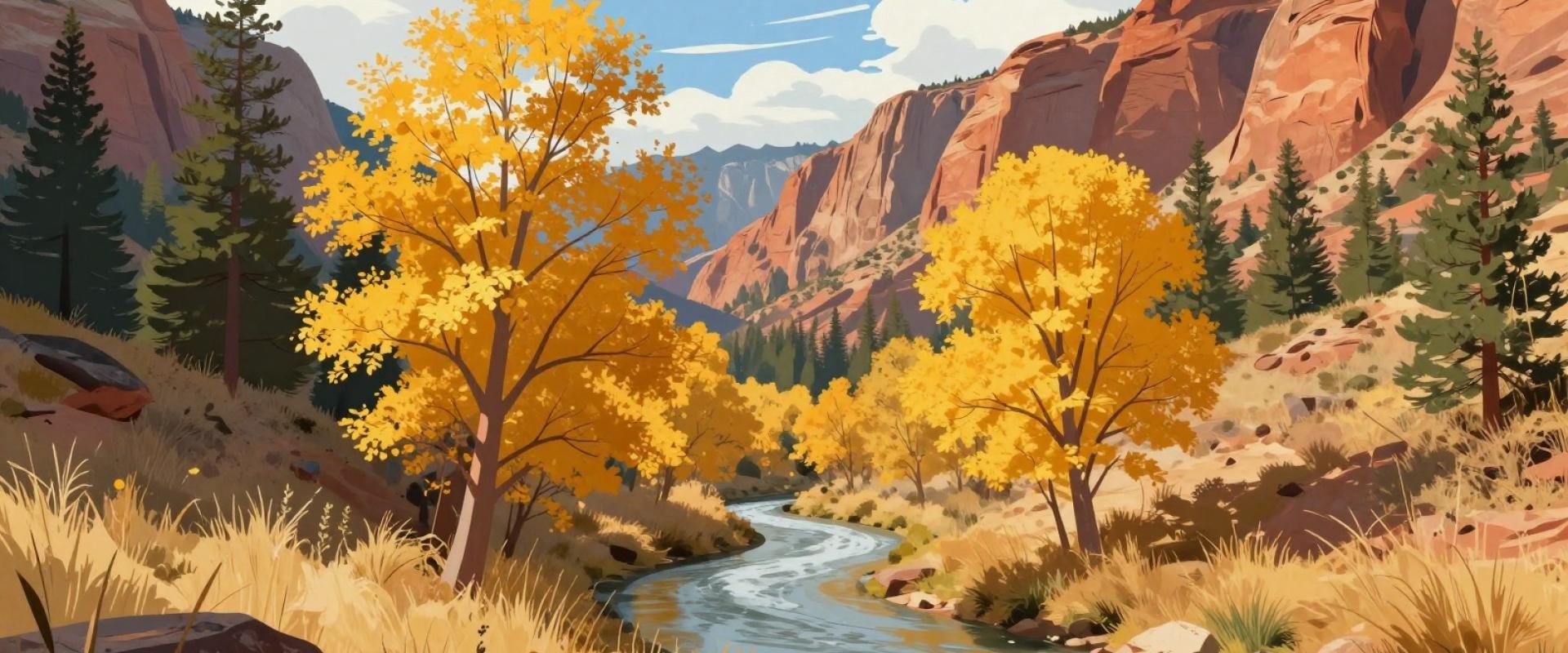
Utah’s high desert climate varies by elevation. Weather patterns shift significantly across the state. Spring brings mild temperatures to most regions. However, wind and late snowstorms remain a possibility, especially at higher elevations. These storms can disrupt travel plans quickly. Summer heat intensifies in southern Utah. Temperatures often exceed 100 degrees Fahrenheit. National parks like Zion and Arches draw large crowds. Expect heavy traffic and limited parking. Autumn offers ideal conditions for outdoor activities. Temperatures cool, making hiking comfortable. Foliage changes color in northern valleys. This season provides clear skies and stable weather. Winter transforms northern Utah into a ski destination. Resorts like Park City and Alta receive heavy snow. Northern areas require winter driving preparation. Southern Utah remains accessible but cooler. Elevation dictates the best time to visit. Higher altitudes experience colder temperatures year-round. Plan visits based on specific regional goals. Southern parks suit spring and autumn trips. Northern resorts require winter scheduling. Always check local weather forecasts before traveling. Utah’s diverse geography demands flexible planning. Avoid peak summer months for comfort. Choose shoulder seasons for fewer crowds. Winter offers unique snow sports opportunities. Each season presents distinct advantages. Understand the climate before booking. Preparation ensures a safer trip. Utah rewards those who plan ahead. Respect the changing high desert environment.
Visiting Utah’s major parks requires strategic timing to avoid congestion. Zion National Park is the most crowded destination. The park uses a mandatory shuttle system during peak seasons. Visitors must arrive early to secure parking before lots fill. Arches National Park has implemented a timed entry reservation system. This system manages high traffic volumes in the peak season. Planning ahead is essential for a smooth experience. Shoulder months offer fewer crowds and more flexibility. Spring and fall provide ideal weather conditions. Winter visits offer solitude but limited services. Snow may close high-elevation roads and trails. Check road conditions before traveling in winter. Strategic timing helps manage congestion effectively. Avoid peak hours at popular trailheads. Arrive early in the morning or late in the afternoon. This approach reduces wait times and stress. Alternative locations offer quieter experiences. Less popular trails provide similar views with fewer people. Research specific park rules before visiting. Each park has unique entry requirements. Timed entry reservations are mandatory for some areas. Plan your visit well in advance. Secure reservations online when possible. This ensures access to popular sites. Utah’s natural beauty is best enjoyed with preparation. Careful planning enhances the overall experience. Avoid last-minute decisions to ensure a smooth trip. Check official resources for current conditions. Stay informed about closures or restrictions. This ensures a safe and enjoyable visit. Utah’s landscapes are rewarding for prepared travelers. Plan carefully to maximize your experience.
Winter Access and Road Conditions
Winter travel in Utah requires careful planning. High-elevation roads often close due to snow. UDOT monitors these routes closely. Check their website for real-time closures. Mountain roads in the north can require chains or traction devices. Carry them in your vehicle in winter. Southern parks remain accessible in winter. Zion, Bryce, and Capitol Reef stay open. However, icy trails pose significant risks. Check specific park conditions before hiking. Daylight hours are significantly shorter in December. Plan activities to finish before sunset. This ensures safe travel on dark roads. Winter offers unique photographic opportunities. Snow-covered landscapes provide stark, beautiful backdrops. Crowds are minimal compared to summer months. This allows for a quieter experience. However, cold temperatures require proper gear. Warm clothing and sturdy boots are essential. Check local weather forecasts daily. Sudden storms can change conditions quickly. Always inform someone of your travel plans. Winter is a viable time to visit. It requires more preparation than summer. Careful planning ensures a safe trip. Utah’s winter beauty is distinct and rewarding. The trade-off is manageable with proper preparation. Always verify road conditions before departure. This is the most critical safety step.
Summer Heat and Safety Precautions
Summer temperatures in southern Utah frequently exceed 100°F. This extreme heat poses serious health risks to visitors. Hydration is critical for survival in this desert environment. Drink water frequently, even if you do not feel thirsty. Sun protection is equally important for physical safety. Wear a wide-brimmed hat and apply high-SPF sunscreen. Avoid hiking during the peak heat hours of midday. Plan strenuous activities for early morning or late evening. Flash floods are a major risk in slot canyons. Sudden rain can cause deadly flash floods in narrow canyons. Check the weather forecast before entering any canyon. Higher elevations offer cooler alternatives to the desert floor. Mountaintop areas provide a necessary respite from the heat. Always carry extra water when exploring remote areas. Check local park alerts for specific heat warnings. Utah’s desert climate requires strict adherence to safety guidelines. Respect the heat to ensure a safe visit. Plan your itinerary around the cooler parts of the day. Stay hydrated and seek shade during the hottest hours. This approach ensures a safe and enjoyable experience in the high desert.
Optimal Timing for Specific Activities
Hiking is best in late spring and early fall. Temperatures are mild, avoiding extreme heat. This timing reduces heat stress risks significantly. Skiing is optimal in January and February. Snowpack is typically deepest during these months. Conditions are ideal for winter sports enthusiasts. Stargazing is excellent in winter and summer. Clear, dry air enhances visibility in these seasons. Photography peaks in autumn for foliage. Aspen groves turn gold, creating striking visuals. Road trips are best in shoulder seasons. Spring and fall offer mild weather conditions. Crowds are thinner, allowing for easier access. High-elevation roads may close in winter. Check road conditions before traveling in winter. Summer heat can be dangerous in low elevations. Plan hikes for early morning or late evening. Hydration is critical in high temperatures. Always carry extra water in desert areas. Utah’s high desert climate varies by elevation. Plan activities based on specific seasonal conditions. Always check local forecasts before heading out. Safety is the primary concern for all visitors. Respect local guidelines and park regulations. Prepare for rapid weather changes in mountains. Always carry appropriate gear for the season. Utah offers diverse landscapes for every season. Plan carefully to ensure a safe trip.



