







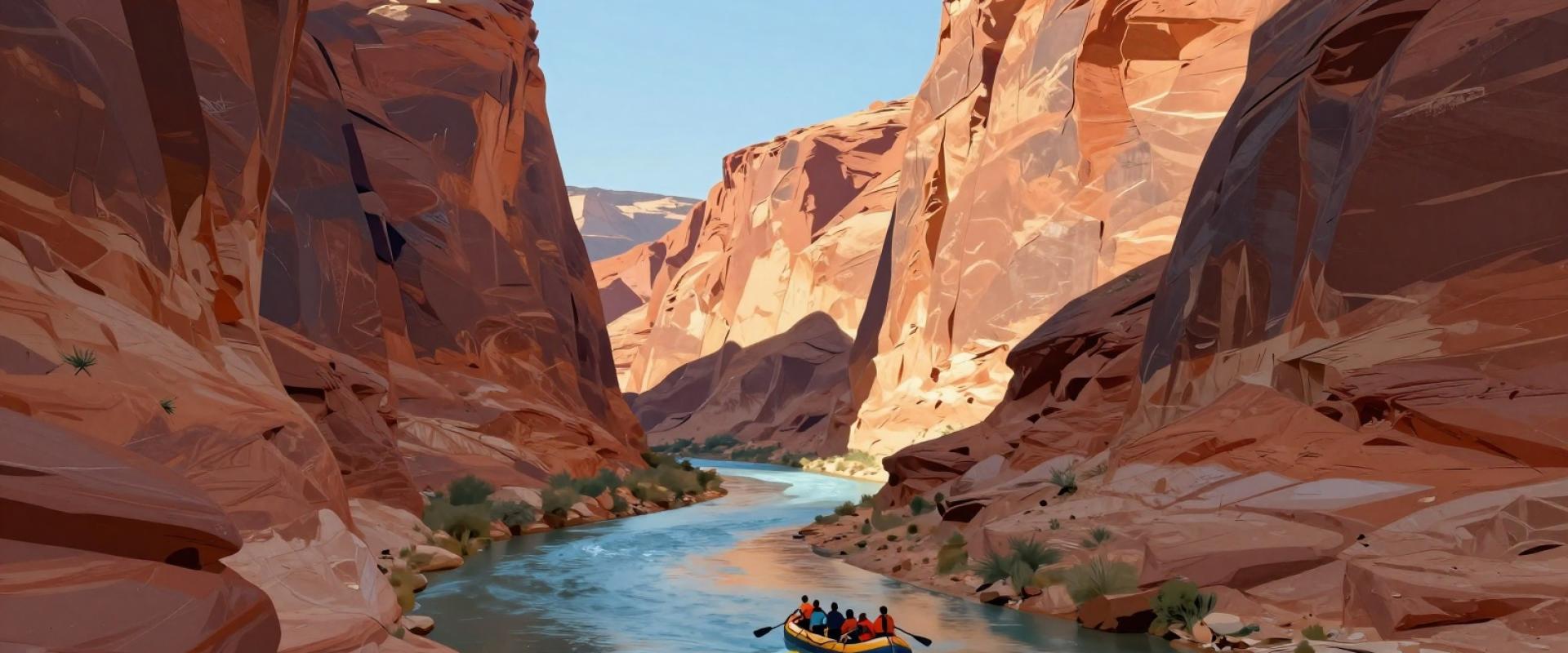
Utah’s high desert climate dictates water conditions. Snowmelt from the Rocky Mountains and the Uintas feeds major rivers. This creates cold, fast-flowing currents. Temperatures stay low through the spring runoff. The Colorado River cuts through red rock canyons. Snowpack and upstream releases drive white water rafting conditions. Spring runoff peaks in May and June. Water levels are highest during this period. Summer months see lower, warmer water levels. Paddlers must check daily flow rates. Cold water requires proper thermal protection. Wetsuits are essential for safety. The high desert sun increases heat risk. Hydration is critical during all water activities. Utah’s unique geography creates distinct river environments. Each river segment offers unique challenges. Proper preparation is essential for safety.
The Colorado River defines southeastern Utah’s landscape. It offers diverse rafting experiences. Difficulty ranges from gentle to extreme. Class I sections suit beginners. Class V sections require experts. Professional guides are essential for safety. They navigate hidden rocks and rapids. The route passes through canyons. These canyons reveal deep geological history. The journey takes several days. Participants must be physically prepared. Snowmelt creates cold, fast currents in spring. Safety gear is mandatory. Licensed guides manage the risks. They ensure proper equipment use. The cultural history is significant. Ancestral Puebloans lived along these banks. Modern adventurers continue this tradition. The river connects past and present. It is a central feature of Utah tourism. Navigation requires respect for nature. Conditions change with the seasons. Spring brings high, cold water. Summer offers warmer, lower flows. Preparation is key for success. Safety remains the top priority. Professional guidance ensures a safe trip. The experience is unique to Utah.
Alpine Lakes and High-Altitude Recreation
High-altitude lakes in Utah offer cold, clear water. Temperatures stay cold well into summer. Snowmelt feeds these alpine basins. The water is cold even in summer. Swimmers face hypothermia risks without proper gear. Cold shock can cause immediate incapacitation. Hikers must plan for short, intense exposure. Access often requires a strenuous hike. Trails to lakes like Lake Fork are steep. Seasonal snow limits access to summer months. Early season snowpack can block access for weeks. Late summer is the safest window. Water levels drop as snowmelt recedes. Boating is limited to small, inflatable craft. Motorized boats are impractical and often prohibited. Paddlers must carry extra insulation. Wet suits are essential for safety. Weather changes rapidly in high elevations. Storms can develop without warning. Hikers must check forecasts daily. Hypothermia is a constant, silent threat. Proper preparation is mandatory for safety. Always carry extra warm layers. Dry bags are essential for gear protection. The environment is unforgiving to the unprepared. Respect the altitude and the cold. Plan for the worst-case scenario. Always inform others of your route. Check-in is not required, but safety is. The beauty is stark and remote. The cold is immediate and real. Prepare adequately for the high altitude.
Safety Protocols and Essential Gear
Utah’s high desert climate creates unique water hazards. Snowmelt feeds local rivers. This results in cold, fast-flowing currents, especially in spring. Hypothermia is a significant risk for swimmers. Always wear a personal flotation device (PFD). A properly fitted PFD is essential for safety. Check weather forecasts before entering any water body. Sudden storms can cause rapid water level changes. Cold water shock can incapacitate swimmers quickly. Carry a basic first aid kit at all times. Include waterproof bandages and antiseptic wipes in your gear. Inform someone of your planned route and return time. This is critical for emergency preparedness. Local rescue teams may take hours to arrive. Self-reliance is essential in remote areas. Check local regulations for specific water access rules. Some areas require permits for camping or boating. Respect private land boundaries along riverbanks. Littering is prohibited and harms local wildlife. Pack out all trash and waste. Use biodegradable soap if washing is necessary. Keep a safe distance from steep, unstable banks. Erosion can cause sudden ground collapse. Always wear a helmet when white water rafting. Secure all gear to prevent loss in the current. Check equipment for wear before each trip. Replace frayed ropes and damaged buckles immediately. Stay hydrated in the dry, high desert heat. Dehydration can impair judgment and physical ability. Drink water regularly, even if you do not feel thirsty. Sun protection is vital in the high desert. Wear a hat, sunglasses, and sunscreen. UV radiation is intense at higher elevations. Reapply sunscreen every two hours. Wear protective clothing to prevent sunburn. Choose quick-drying, moisture-wicking fabrics for comfort. Avoid cotton, which retains water and cold. Wear a life jacket at all times on the water. It is the most effective way to prevent drowning. Always check local conditions before starting your activity. Conditions can change rapidly in the high desert. Be prepared for sudden weather changes. Carry extra layers for cold, wet conditions. Always inform someone of your travel plans. This is critical for safety in remote areas.
Regulations and Environmental Stewardship
Utah enforces strict regulations on water activities. Private parties need permits for river stretches such as Westwater, Cataract and Desolation canyons. Private users must follow state access laws. The Utah Division of Wildlife Resources manages fishing. Anglers must purchase a valid state fishing license. This is mandatory for all anglers over 12. Catch-and-release is encouraged for sensitive species. Boats must carry a life jacket for every person aboard. Children under 13 must wear one. Environmental stewardship is a shared responsibility. Follow Leave No Trace principles strictly. Pack out all trash and waste. Do not disturb wildlife or riparian zones. Protect fragile desert ecosystems from erosion. Respect private land boundaries along riverbanks. Check current regulations before each trip. Rules may change based on water levels. Always verify local access rules in advance. Adherence ensures the preservation of Utah's waters for future generations. Responsible behavior protects the unique high desert environment.



