







The High Plateau Foundation
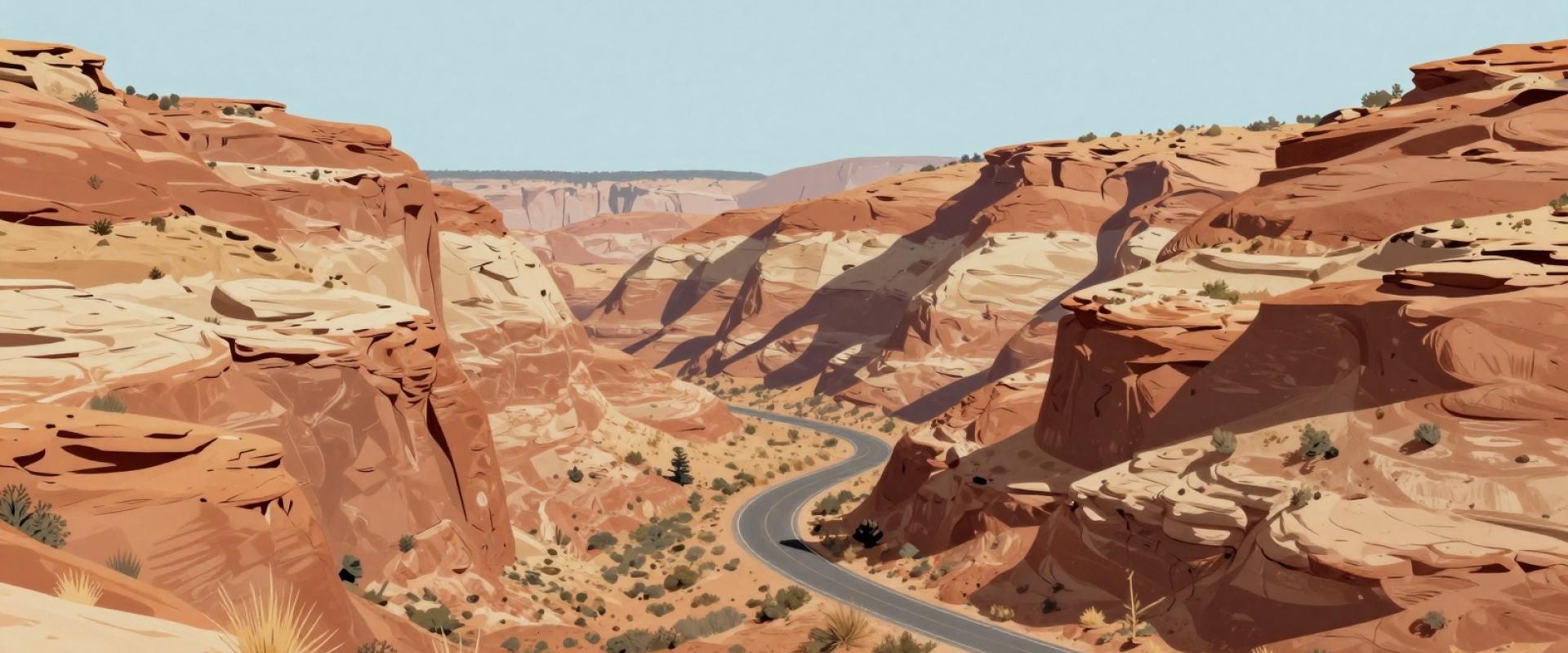
The Colorado Plateau defines Utah’s geology. This high-elevation region covers much of the state. The landscape features distinct stratigraphic layers. These layers reveal millions of years of history. Red rock formations dominate the visual landscape. Sandstone and limestone are the primary materials. Erosion by wind and water shapes these rocks. The process is slow but constant. Geologists study these layers to understand time. Each layer represents a specific geological era. The visual contrast highlights the passage of time. This geological foundation supports the state's unique ecology. The scale of these formations is vast. They provide a stable base for the ecosystem. Understanding this geology is key to understanding Utah.
Erosion Dynamics and Landforms
Wind and water actively shape Utah’s red rock formations. Erosion is the primary force sculpting these landscapes. The Colorado Plateau features distinct stratigraphic layers. These layers reveal millions of years of geological history. Water, ice and wind wear away softer layers, leaving arches and hoodoos. Water from flash floods cuts deep canyons through rock. This process is slow but continuous. The environment is fragile and sensitive. Foot traffic can damage fragile soil crusts. Repeated use degrades the surface quickly. Responsible travel is essential for preservation. Visitors must stay on established trails. Off-trail travel accelerates erosion damage. Protecting these landforms ensures their survival. The landscape is not indestructible. Careful navigation preserves the natural beauty. Every step matters in this delicate ecosystem. Staying on path minimizes environmental impact. This approach protects the unique geology for future generations.
The terrain is rugged and uneven. Navigating requires careful planning. High altitude affects physical stamina. Acclimatization is necessary for safety. Elevation changes can cause fatigue. Prepare for extreme weather conditions. Temperatures drop significantly at night. Sun exposure is intense during the day. Hydration is critical for survival. The lack of cell service is common. Remote locations offer no signal. Navigation tools must be reliable. GPS devices are essential for travel. Paper maps serve as a backup. Always carry extra water and food. The landscape is unforgiving to unprepared travelers. Check weather forecasts before departure. Inform others of your travel plan. The environment demands respect and preparation. Safety depends on proper planning. Always carry a communication device. Satellite phones are recommended for remote areas. The terrain is challenging but manageable. Proper preparation ensures a safe trip. Utah's geology is unique and diverse. Respect the natural environment at all times.
Safety Protocols and Risk Management
Utah’s high desert terrain presents unique hazards. Flash floods are a primary risk in narrow canyons. Sudden storms can cause rapid water level rises. Always check weather forecasts before entering slot canyons. Extreme heat is common in low-elevation areas. Temperatures often exceed 100 degrees Fahrenheit in summer. Dehydration is a significant risk during physical activity. Carry at least one gallon of water per person. Sun exposure is intense due to high altitude. Use sunscreen and wear protective clothing at all times. Wildlife safety is also critical in this environment. Maintain a safe distance from all local wildlife. Do not approach or feed animals like snakes or bears. Be aware of your surroundings at all times. Sudden movements can startle animals and cause injury. Stay on marked trails to avoid sensitive ecosystems. This minimizes risk to both visitors and wildlife. Always inform someone of your planned route. Carry a map and compass as backup. Cell service is unreliable in many remote areas. Do not rely solely on electronic devices for navigation. Prepare for changing weather conditions at all times. Bring extra layers for temperature fluctuations. This ensures safety in the diverse Utah landscape.
Responsible Exploration Guidelines
Utah’s unique geology requires strict adherence to Leave No Trace principles. The state’s fragile desert crust is easily damaged. Trampling vegetation destroys cryptobiotic soil crusts. These layers take decades to recover. Explore established trails to minimize impact. Stay on designated paths in all areas. Avoid cutting switchbacks on steep slopes. This prevents erosion of the red rock formations. Respect local cultural sites and historical markers. Do not disturb artifacts or rock structures. Many areas hold deep cultural significance for Native tribes. Always pack out all waste and litter. Protect sensitive habitats from invasive species. Do not transport seeds or soil between regions. Check local regulations before visiting specific sites. Some areas require special permits for access. Respect closures designed to protect fragile ecosystems. Your responsible actions preserve Utah’s unique geology for future generations. Your actions directly impact the preservation of these unique geological features.



