







The High-Altitude Reality
Utah’s average elevation is 6,100 feet. This high altitude defines the state’s semi-arid climate. Humidity is low, especially in summer. The dry air makes extreme temperatures feel more manageable. Summer days often exceed 100°F, requiring midday heat avoidance. The snowiest resorts in the Cottonwood canyons average around 500 inches of snow a year. Temperatures vary significantly between day and night. You must prepare for cool nights even in summer. The state spans latitudes 37°N to 42°N, creating distinct regional patterns. Southern areas remain warmer than the northern mountains. Spring and fall offer the most pleasant conditions. These shoulder months avoid peak summer heat and winter cold. Visitors should check specific local forecasts before travel. Weather changes rapidly at higher elevations. Always carry layers for sudden temperature drops. The climate supports diverse outdoor activities year-round. Understanding these local conditions ensures a safer visit.
Spring: Wildflowers and Unpredictability
March through May marks the prime window for Utah’s wildflower blooms. Zion and other lower-elevation parks display vibrant flora during this period. Temperatures remain mild, avoiding the extreme heat of summer. However, weather patterns shift rapidly across the state. Sudden changes are common, including unexpected snowfall at higher elevations. Northern Utah retains winter conditions longer than southern regions. This variability demands careful preparation for all visitors. Layered clothing is essential for managing fluctuating temperatures. Low humidity makes cold snaps feel sharper than expected. Hikers must monitor forecasts closely before heading out. Spring break brings increased crowds to popular national parks. Visiting outside these weeks offers quieter trails and better access. The semi-arid climate ensures dry conditions despite occasional rain. Snowmelt feeds rivers, creating ideal hiking conditions in valleys. Always carry extra layers when exploring high-altitude areas. Preparedness ensures safety during these unpredictable seasonal transitions.
Summer Heat and Water Safety
June through August brings intense heat to Utah. Daytime temperatures frequently exceed 100°F. The semi-arid climate creates dry, hot conditions. Low summer humidity increases dehydration risks. Hikers must prioritize hydration above all else. Carry more water than you anticipate needing. Sun protection is critical during peak daylight hours. The sun is strongest between 10 a.m. and 4 p.m. Plan activities for early morning or late evening. Midday heat is dangerous for strenuous activity. This period is also the peak tourist season. Advance planning is necessary for lodging and permits. Crowds are significant at major national parks. Prepare for high visitor volumes in advance. Ensure all gear is suitable for extreme heat. Check weather forecasts daily before heading out. Safety depends on preparation and awareness of heat conditions. Always carry extra water and electrolyte supplements. Monitor for signs of heat exhaustion. Seek shade immediately if dizziness occurs. Respect the heat to ensure a safe trip.
Autumn Colors and Cooling Temperatures
September through November brings mild, comfortable weather to Utah. Temperatures drop gradually, offering ideal hiking conditions. The state’s semi-arid climate ensures clear, sunny days. This period highlights the state’s famous golden aspens. The vibrant foliage attracts significant crowds to mountain byways. Crowds decrease slightly after the summer peak, but visitation remains high. Advance booking is essential for lodging and campgrounds. Nighttime temperatures drop significantly, requiring layered clothing. Daytime heat is manageable, but evenings become cold. Hikers must prepare for rapid temperature changes. The dry air enhances visibility for photography. This season offers the best balance of weather and accessibility. Visitors should plan routes carefully to avoid peak congestion. The golden aspen groves provide a stunning backdrop for exploration. This is the optimal time for viewing Utah’s natural landscapes.
Winter Snow and Northern Climates
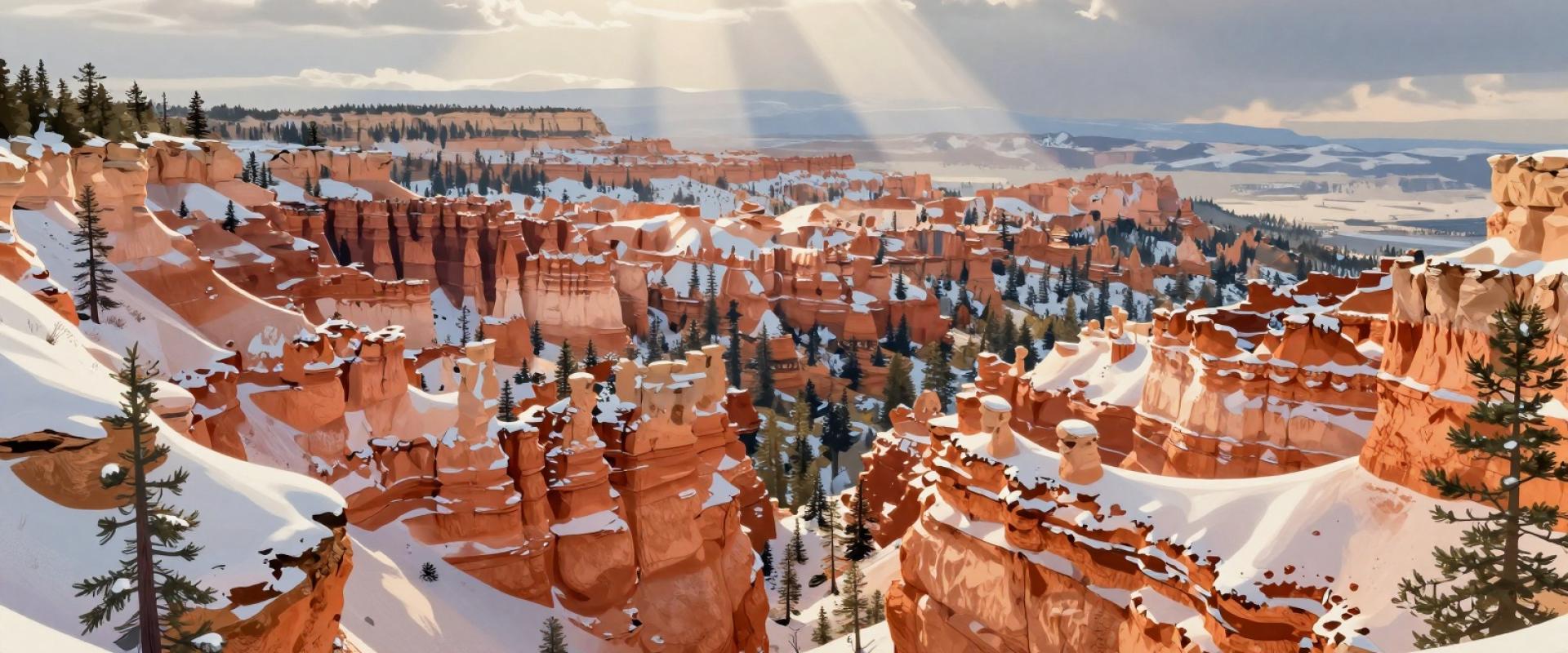
Northern Utah's mountains receive heavy snowfall, around 500 inches a year at the snowiest resorts. This deep accumulation supports robust winter sports. The climate remains cold and dry throughout the season. Southern regions offer milder conditions for winter activities. Hikers can navigate trails with less snow interference. Winter driving requires specific preparation for safety. Ice and snow create hazardous road conditions. Drivers must check forecasts before traveling. Road conditions change rapidly in cold weather. Always verify road status before departure. Local authorities update conditions frequently. Plan travel around weather updates. Safety depends on accurate, current information. Prepare vehicles for ice and snow. Check tire pressure and fluid levels. Carry emergency supplies in all vehicles. Winter travel requires extra caution and time. Always prioritize safety over speed. Monitor weather reports closely during trips.
Essential Packing and Safety Checklist
Pack layered clothing for Utah’s variable climate. Temperatures shift rapidly in the semi-arid environment. Sun protection is essential year-round. High UV levels require strong sunscreen and hats. Sturdy footwear is necessary for rugged terrain. Hiking trails often feature steep, rocky paths. Winter gear is essential for northern regions. Northern Utah's mountains receive deep snow. Prepare for cold, dry conditions in winter. Carry extra water to prevent dehydration. The dry air increases fluid loss significantly. Check forecasts before every outdoor activity. Weather can change quickly in the mountains. Monitor alerts for sudden storms or heat. Always inform others of your travel plans. Safety depends on proper preparation and awareness.



