







Elevation changes affect vehicle performance in Utah. High-altitude travel requires specific preparation. Weather conditions change rapidly at high elevations. Drivers must monitor air pressure and temperature. The Indian Creek Corridor (SR-211) leads to the Needles district of Canyonlands. The Patchwork Parkway (SR-143) connects Parowan to Panguitch via Brian Head. These roads pass through high-altitude zones. Drivers should drive five miles per hour under the limit. This ensures safety on steep grades. Pre-trip checks are essential for high-elevation travel. Check tire pressure before starting the journey. Verify brake functionality before ascending steep slopes. Utah’s high country demands careful planning. Elevation impacts engine performance significantly. Thin air reduces cooling efficiency. Drivers must account for these factors. Plan stops for cooling breaks. Monitor engine temperature gauges closely. Utah’s terrain requires specific vehicle preparation. Always check fluid levels before departure. Ensure brakes are in optimal condition. High-altitude travel requires extra caution. Drivers must remain alert to changes. Utah’s high country presents unique challenges. Always check local weather forecasts. Sudden storms can occur at high elevations. Drive carefully and stay alert.
The Mighty Five Corridor
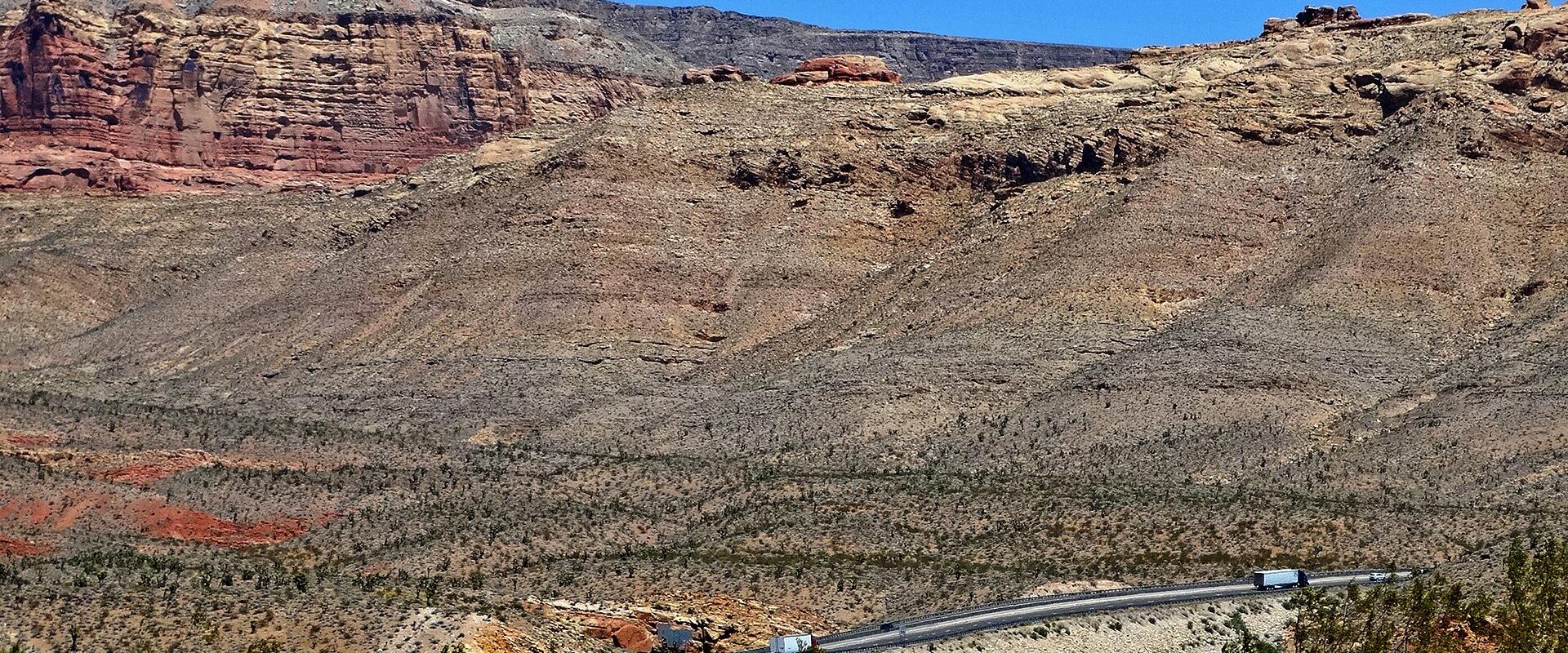
The 'Mighty Five' corridor represents one of the most spectacular geological journeys in the American West, connecting five distinct national parks: Zion, Bryce, Capitol Reef, Arches, and Canyonlands. This route offers a unique geological tour of the Colorado Plateau, showcasing the dramatic effects of erosion over millions of years. Travelers will witness towering red cliffs, intricate arches, and deep canyons that reveal the region's ancient history. However, the vast distances between these parks require careful planning and flexible scheduling. While the drive is rewarding, the isolation of some areas means services can be sparse. It is essential to plan for variable travel times, as road conditions and weather can impact transit. By embracing flexibility, visitors can fully appreciate the diverse landscapes and unique geological formations that make this corridor an unforgettable experience. This approach ensures a relaxed pace, allowing time to absorb the grandeur of each unique landscape without the stress of rigid timelines.
Seasonal Road Conditions
Utah’s high desert climate dictates strict seasonal travel rules. Winter months bring heavy snow to high-elevation passes. Chains or four-wheel drive are often required. Ice forms rapidly on shaded canyon walls. Summer months bring intense heat and monsoon risks. Flash floods can block roads without warning. Sudden storms are common in July and August. Drivers must monitor weather forecasts daily. High-elevation roads may close due to ice. Low-elevation roads may flood during rain events. Proper preparation is essential for safe travel. Choose appropriate vehicles for specific terrain conditions. Carry extra water and emergency supplies. Check road closures before starting any journey. Utah’s diverse terrain requires constant vigilance. Always verify current road status online. Local authorities provide real-time closure updates. Adhere to speed limits in all zones. Slow down in narrow canyon sections. Be prepared for sudden weather changes. Always carry chains in winter months. Ensure tires are rated for desert heat. Monitor tire pressure in high temperatures. Stay alert for falling rocks in canyons. Respect all posted warning signs. Heed all closure signs immediately. Do not drive on closed roads. This prevents damage and ensures safety. Plan alternate routes in case of closures. Stay alert for wildlife crossings. Keep a charged phone and charger. Inform others of your travel plans. Always prioritize safety over schedule. Utah’s terrain demands respect and preparation. Always drive with caution and care.
Vehicle Preparation Essentials
Check tire pressure before traveling. Utah’s high desert terrain demands specific vehicle preparation. High-altitude travel affects performance. Monitor air pressure closely. Consider using a four-wheel drive vehicle. This is essential for rugged terrain. Check brake condition regularly. Sudden stops are common on steep grades. Inspect fluid levels before departure. Top off oil and coolant. Carry essential supplies in your vehicle. Pack extra water for hot days. Include non-perishable food in your kit. Stow a first-aid kit securely. These items are critical for safety. Plan for long stretches between services. Gas stations are sparse in remote areas. Fill your tank at major towns. Drive 5 mph under the limit. This ensures safety on narrow roads. Prepare for rapid weather changes. Sudden storms can occur at high elevations. Check local conditions before starting. Verify road closures in advance. Check the UDOT Traffic website or app for closures. Plan your route carefully. Ensure your vehicle is ready. This preparation prevents breakdowns. It ensures a safe journey. Trust in your vehicle’s condition. Rely on proper maintenance. This approach guarantees a safer trip. It reduces stress significantly. You will enjoy the scenery more. Peace of mind is essential. Take time to inspect your vehicle. Do not rush the preparation. Careful planning saves time later. It prevents dangerous situations. Stay informed about local conditions. Utah’s environment is unforgiving. Respect the terrain. Prepare adequately for the journey.
Many remote Utah roads lack pavement. Side roads off the Indian Creek Corridor are unpaved. These roads require careful navigation. Maintenance is frequently poor in these zones. Cell phone coverage remains extremely limited. Signal loss occurs beyond major highways. You must plan alternative communication methods. Carry satellite devices for emergencies. Prepare thoroughly before entering isolated areas. Awareness of surroundings ensures personal safety. The Patchwork Parkway connects Parowan to Panguitch. A short detour reaches Cedar Breaks National Monument. Drive slowly to observe the landscape. Speed limits are often low. Monitor your vehicle’s condition closely. Fuel stations are sparse in remote zones. Fill your tank before departure. Carry extra water and supplies. Weather changes rapidly in high desert areas. Check road conditions before traveling. Unpaved roads demand four-wheel drive capability. Stay on designated paths to protect terrain. Respect local regulations and signage. Plan your route using offline maps. Inform others of your travel itinerary. Ensure your vehicle is fully prepared. Remote travel requires strict adherence to safety protocols. Utah’s vast landscapes demand respect and caution.



