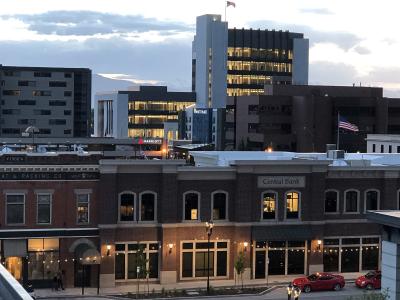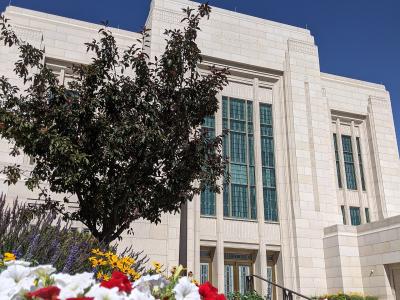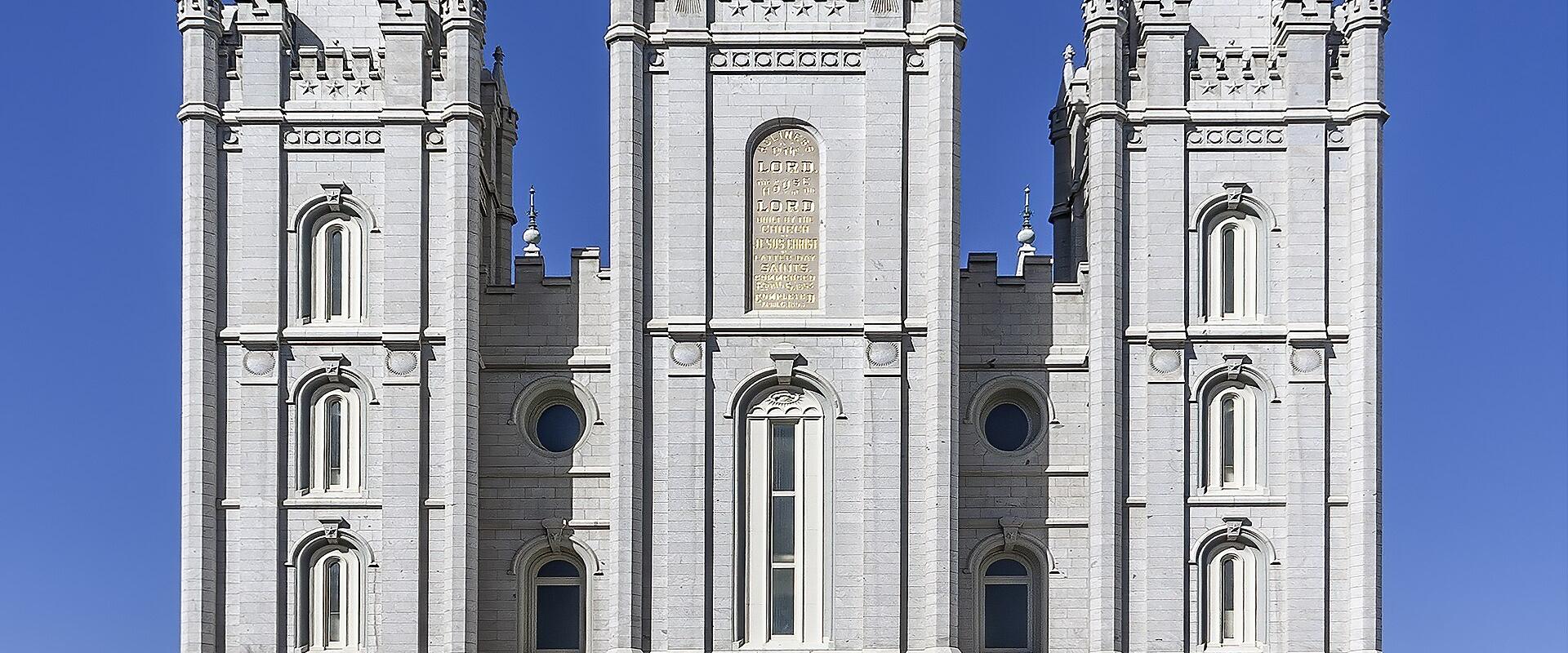
Salt Lake City, Utah’s largest urban center, operates as a dynamic intersection between metropolitan culture and high-altitude wilderness. With a population nearing 200,000, the city defies the typical perception of a remote desert outpost, offering instead a sophisticated urban environment anchored by the dramatic backdrop of the Wasatch Range. The skyline, dominated by the sleek lines of modern skyscrapers and the historic spire of the Salt Lake Temple, creates a visual dialogue between tradition and modernity. This is not merely a transit hub for those heading to the mountains; it is a destination in its own right, characterized by a vibrant culinary scene, a thriving arts community, and a unique blend of cultural influences.
The city’s layout is defined by its unique grid system, a legacy of the Mormon pioneers who settled the area in 1847. This grid, aligned with the cardinal directions, provides a logical and navigable structure that contrasts with the organic, rugged terrain of the surrounding mountains. The Great Salt Lake, visible to the west, serves as a natural boundary, while the towering Wasatch Range to the east provides a constant, majestic presence. This geographic duality shapes the local experience, offering residents and visitors alike the ability to engage in urban activities in the morning and alpine adventures in the afternoon.
The local economy is driven by a diverse mix of industries, including technology, healthcare, and tourism. This economic diversity is reflected in the city’s cultural landscape, which features a wide array of museums, galleries, and performance venues. The Utah Museum of Fine Arts and the Natural History Museum offer deep dives into the region’s history and natural world, while the city’s many theaters and live music venues provide a vibrant cultural scene. The culinary landscape is equally diverse, with a growing number of restaurants offering international cuisine alongside traditional American fare. Local breweries and craft distilleries have also become integral to the city’s social fabric, offering a range of local flavors and experiences.
Access to the city is facilitated by Salt Lake City International Airport, which serves as a major hub for domestic and international travel. The airport’s proximity to the city center, approximately 15 minutes away, makes it a convenient entry point for visitors. From the airport, travelers can easily access the downtown area via public transportation, rideshare services, or rental cars. The TRAX light rail links the airport with downtown, while the FrontRunner commuter train connects downtown with communities to the north and south.
For those seeking to explore beyond the city limits, the proximity to the Wasatch Mountains offers endless opportunities for outdoor adventure. Ski resorts, hiking trails, and mountain biking paths are all within a short drive, making Salt Lake City an ideal base for exploring the natural beauty of the Intermountain West. The combination of urban amenities and outdoor accessibility creates a unique travel experience, appealing to a wide range of interests and preferences. Whether exploring the city’s cultural institutions, enjoying a meal at a local restaurant, or heading out for a day of outdoor adventure, visitors to Salt Lake City will find a dynamic and engaging destination that offers something for everyone.
Best time to visit
May through September offers warm, dry weather ideal for outdoor activities and sightseeing.
What to see in Salt Lake City
Our picks first.
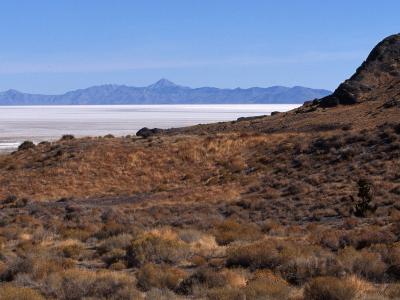
Bonneville Salt Flats
Free Natural Wonders & Parks · Outdoor Recreation
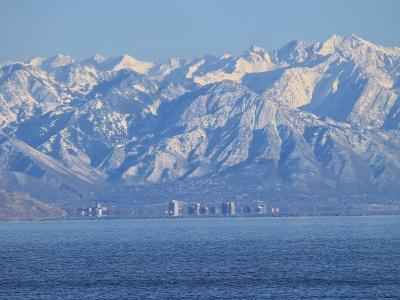
Antelope Island State Park
Desert Landscapes · State Parks
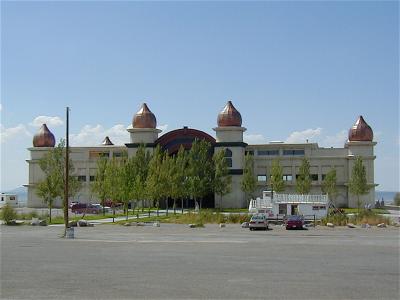
Great Salt Lake State Park
Natural Wonders & Parks · Outdoor Recreation
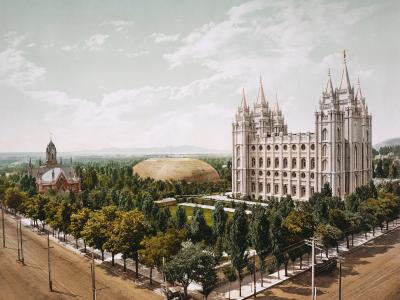
Temple Square
Gardens & Botanical · Historic Buildings
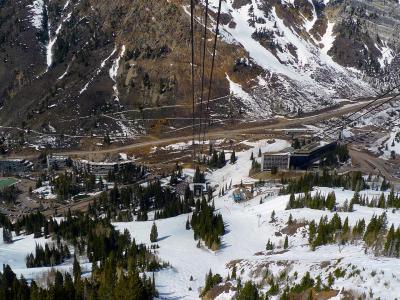
Snowbird
Outdoor Recreation · Ski Areas
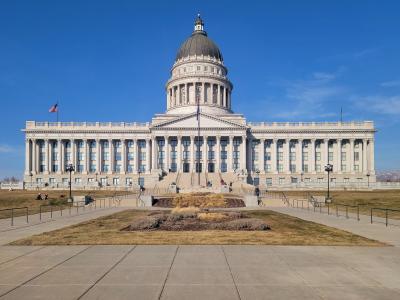
Utah State Capitol
Free Architectural Landmarks · Historic Buildings
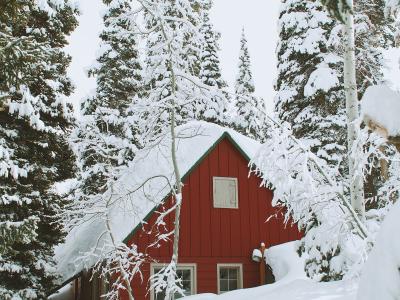
Solitude Mountain Resort
Hiking Trails · Mountain Peaks

Utah Museum of Fine Arts
Art Galleries · Museums
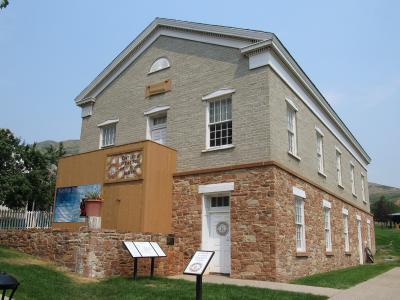
This Is the Place Heritage Park
Historic Sites & Architecture · Hiking Trails
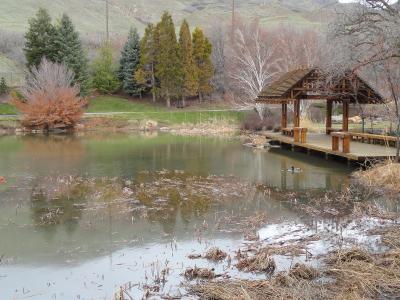
Red Butte Garden
Natural Wonders & Parks · Gardens & Botanical
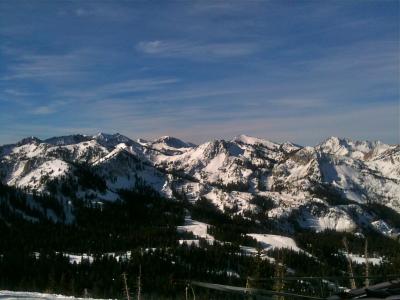
Brighton Resort
Hiking Trails · Mountain Peaks
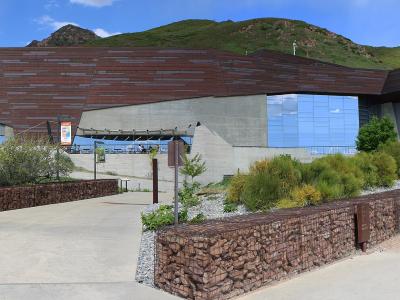
Natural History Museum of Utah
Dinosaurs & Fossils · Geological Formations
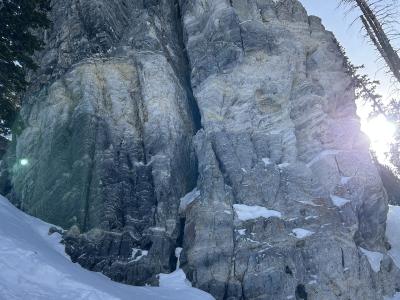
Alta Ski Area
Hiking Trails · Mountain Peaks
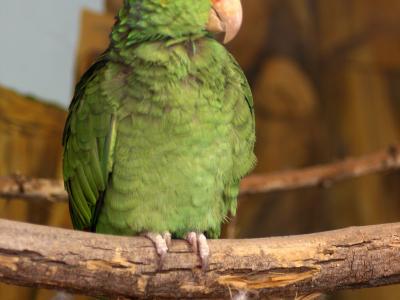
Utah's Hogle Zoo
Natural Wonders & Parks · Wildlife Viewing
Salt Lake City by interest
The same sights, grouped by what you came for.
Planning a visit to Salt Lake City
Itineraries that include Salt Lake City
Good to know
- Currency
- USD
- Language
- English