







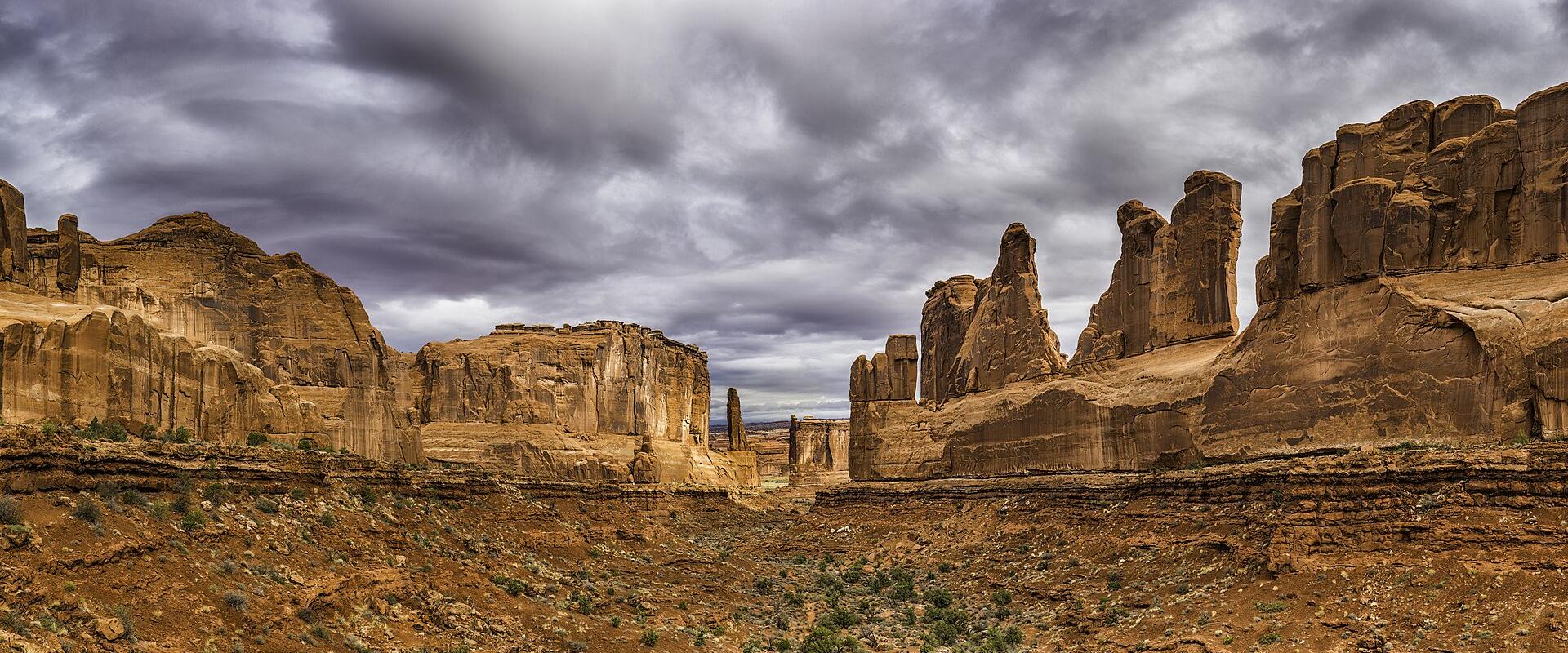
Utah hosts five distinct national parks. These locations define the state’s rugged landscape. Each park requires unique preparation. Zion features towering sandstone cliffs. The Narrows demands water shoes. Canyonlands offers vast desert vistas. Island in the Sky provides easy access. Arches contains over two thousand natural stone arches. Delicate Arch stands as the iconic symbol. Bryce Canyon displays unique hoodoo formations. These limestone spires create a surreal environment. Capitol Reef features the Waterpocket Fold. This monocline spans nearly one hundred miles. Each site presents different hiking challenges. Crowds vary significantly by season. Arriving early ensures better parking availability. Late afternoon visits reduce wait times. Check specific park alerts before traveling. Road conditions change with weather. High elevation affects vehicle performance. Carry ample water and sun protection. Plan routes based on individual park geography. General Utah advice does not apply uniformly. Specific preparation prevents logistical failures. Understanding these differences ensures a successful trip. The Mighty Five demand respect and planning.
Strategic Timing And Access
Visit Utah’s national parks during shoulder seasons for optimal conditions. Spring and fall offer mild temperatures and manageable crowds. Summer brings extreme heat, particularly in Zion, Arches and Canyonlands, while high-elevation Bryce Canyon stays milder. Temperatures often exceed 100°F, creating dangerous hiking conditions. Winter presents ice and snow hazards on park roads. Check real-time road status before traveling to ensure access. Arrive early or late to secure parking at popular trailheads. The Mighty Five experience high visitor volumes daily. Shuttle systems operate in Zion and Bryce Canyon during peak times. These shuttles reduce traffic congestion significantly. Permits are required for specific activities like backcountry camping. Always verify current permit requirements before your trip. Off-peak travel windows provide quieter experiences and better photography opportunities. Avoid midday visits during summer months to prevent heat exhaustion. Plan your itinerary around seasonal closures and maintenance schedules. Utah’s parks require flexible planning due to weather variability. Always carry extra water and navigation tools regardless of season.
Beyond The National Parks
Utah State Parks offer distinct alternatives to the crowded national sites. These locations manage different recreational needs. Goblin Valley State Park features unique hoodoo formations. Sand Hollow State Park provides extensive water activities. Management differs significantly from federal oversight. State parks often utilize simpler reservation systems. This allows for more flexible day-use access. Visitors find reduced congestion at these sites. The variety supports a balanced travel itinerary. State parks serve as key recreational hubs. They complement the intense hiking of national parks. Access is generally easier for spontaneous trips. Utah’s diverse landscape extends beyond the Mighty Five. These parks provide essential rest and recreation. Planning includes checking specific state park rules. Fees vary by activity and vehicle type. Locations span various regions across the state. They offer unique geological and ecological experiences. Integrating these stops enhances the overall road trip. Travelers gain exposure to varied Utah terrains. This approach mitigates fatigue from major park visits. State parks remain vital for comprehensive exploration.
Essential Gear And Safety
Utah’s arid climate demands rigorous hydration strategies. Carry at least one gallon of water per person daily. Dehydration risks escalate rapidly in Zion, Arches and Canyonlands. Sun protection is non-negotiable for all visitors. Wear wide-brimmed hats and UV-blocking sunglasses. Apply broad-spectrum sunscreen frequently to exposed skin. Footwear must provide ankle support on loose sand. Hiking boots prevent injuries on slickrock terrain. Cell service is unreliable across most park areas. Download offline maps before entering remote zones. GPS devices serve as critical backup tools. Wildlife encounters require strict distance protocols. Do not approach bighorn sheep or mule deer. Store food securely to avoid attracting ravens and rodents. Emergency preparedness involves carrying a first aid kit. Include blister treatment and electrolyte supplements. Inform others of your specific trail plans. Check weather forecasts for flash flood warnings. Summer temperatures often exceed 100 degrees Fahrenheit. Plan hikes during cooler morning or evening hours. Respect all posted safety barriers and signs. These measures ensure a safe Utah experience.
Responsible Stewardship
Utah’s fragile ecosystems require strict visitor adherence to preservation protocols. Stay strictly on marked trails to protect cryptobiotic soil crusts. These biological layers prevent erosion in arid environments. Pack out all waste, including food scraps and toilet paper. Leave No Trace principles apply to all Utah parks. Do not disturb archaeological sites or ancient petroglyphs. Vandalism damages irreplaceable cultural heritage for future generations. Minimize noise pollution to respect wildlife and other visitors. Keep voices low near sensitive animal habitats. Support local economies by purchasing supplies in gateway towns. This reduces vehicle traffic and environmental strain within park boundaries. Utah State Parks enforce similar stewardship guidelines. Visitors must respect posted signage at all times. Protecting these landscapes ensures their survival for decades. Responsible tourism is a mandatory component of the Utah experience. Prioritize conservation over convenience during every visit.



