







The High-Altitude Advantage
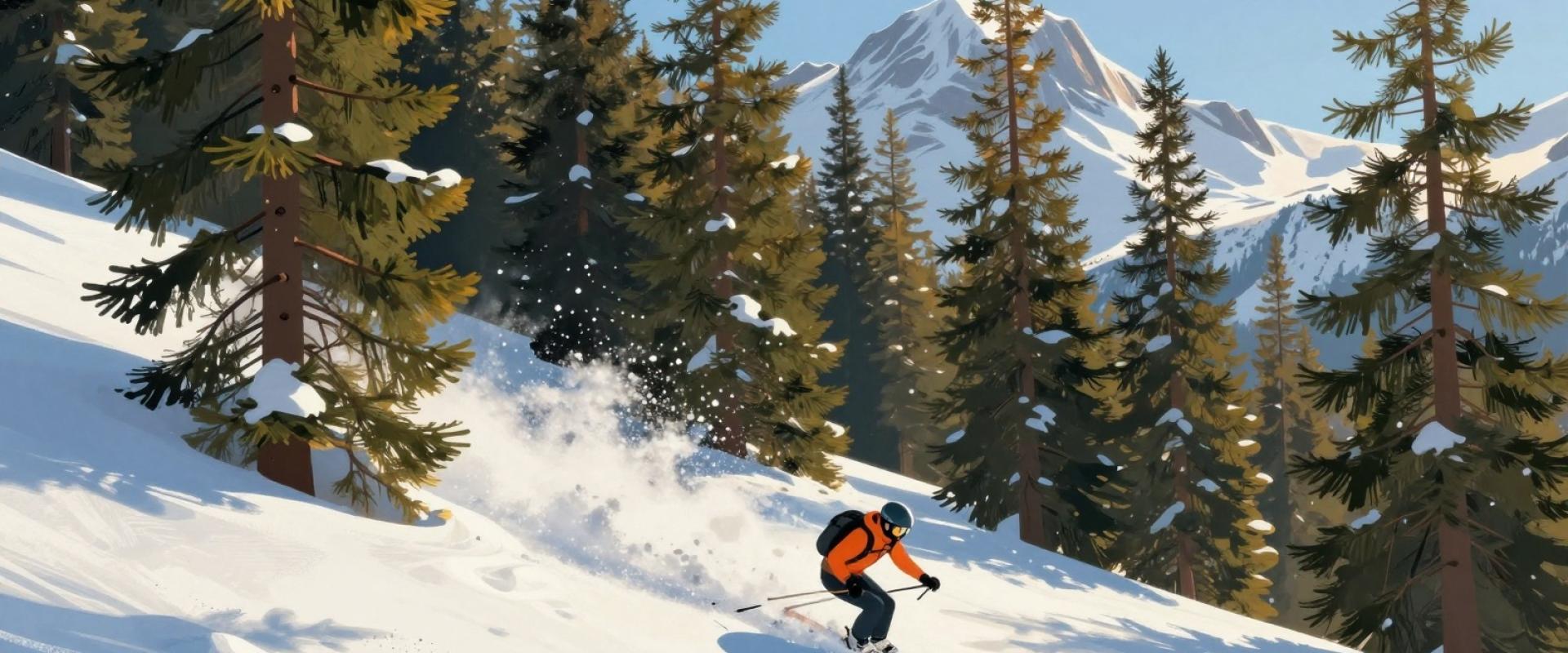
Utah’s climate creates unique skiing conditions. The state receives significant annual snowfall. This results in dry, light powder. Skiers often call this 'The Greatest Snow on Earth.' The cold, dry air keeps the snow fluffy. It does not freeze into heavy ice. This quality allows for smoother turns. The environment supports consistent winter sports. Visitors experience reliable conditions throughout the season. The high altitude contributes to the dry air. This specific climate is rare globally. It enhances the overall skiing experience. The conditions are ideal for all skill levels. The unique environment defines the local sport.
The Wasatch Range hosts major ski resorts in a compact corridor. This geographic proximity allows for efficient travel between peaks. Major resorts include Alta, Snowbird, and Solitude. These mountains sit close to one another in the Wasatch Range. Skiers can access diverse terrain within a short drive. The corridor offers varied elevations and aspect exposures. This variety supports different snow conditions across the area. Visitors can choose slopes based on specific snow quality needs. The layout supports flexible itinerary planning for winter sports. Travel time between major peaks remains minimal. This efficiency allows for versatile daily ski plans. The corridor structure supports efficient access to varied terrain. Utah’s unique geography supports this accessible resort network.
Strategic Timing and Crowds
Plan visits to avoid peak holiday crowds. Utah resorts see high traffic during specific holidays. Avoid Christmas through New Year’s Day. Also skip Martin Luther King Jr. weekend. These periods bring heavy crowds to slopes. Plan trips during off-peak times instead. Weekdays offer a significantly better experience. Skiers face fewer crowds on weekdays. Lift lines are shorter or non-existent. Afternoon visits work well for many. Consider skiing after 1 p.m. local time. Crowds typically thin out by then. This timing reduces wait times for lifts. It also eases pressure on parking lots. Planning ahead ensures a smoother experience. Check specific resort schedules before traveling. Verify open status for each mountain. This approach minimizes wait times effectively. It allows for more efficient skiing. You can enjoy the slopes with less delay. Strategic timing enhances the overall vacation. It reduces stress and wait times. This strategy is essential for a good experience. Plan carefully to maximize enjoyment. Avoid the busiest times for best results.
Essential Gear and Preparation
High altitude demands specific gear. The thin air at Utah resorts increases UV exposure. Apply high-SPF sunscreen to exposed skin. Reapply frequently to maintain protection. Hydration is critical in dry, cold conditions. Dehydration occurs rapidly at high elevations. Carry insulated water bottles to prevent freezing. Wear layered clothing to manage temperature changes. Base layers should wick moisture from the skin. Mid-layers must provide insulation against the cold. Outer layers must block wind and snow. Goggles are essential for visibility in bright snow. UV rays reflect intensely off the white surface. Sunglasses are insufficient for full eye protection. Goggles provide necessary side protection and clarity. Gloves must be waterproof and insulated. Hands are vulnerable to frostbite in cold air. Layering allows adjustment to changing conditions. Remove layers during high-exertion periods. Add layers during rest stops. This strategy prevents overheating and chilling. Proper gear ensures safety and comfort. It allows skiers to focus on the slopes. Utah’s unique climate requires specific preparation. Ignoring these needs can lead to injury. Always check weather reports before heading out. Plan for variable conditions in the mountains.
Safety and Local Regulations
Utah’s backcountry terrain presents significant avalanche risks. The Wasatch Range holds complex snowpacks. Travelers must carry essential safety gear. This includes beacons, probes, and shovels. Proper preparation is non-negotiable for survival. Check daily avalanche forecasts before heading out. The Utah Avalanche Center provides critical data. Follow all posted resort boundary signs. Entering closed areas violates local regulations. These zones often contain hidden hazards. Unmarked cliffs and drop-offs are common. Respect closure signs to ensure personal safety. Local guidelines prioritize visitor security above all. Ignoring these rules increases accident likelihood. Always inform others of your travel plans. Carry a fully charged mobile device. Emergency services respond quickly in resort areas. Backcountry rescue times vary by location. Prepare for cold temperatures and high winds. Layer clothing to manage body heat. Stay hydrated despite the cold air. Utah’s dry climate accelerates dehydration. Adhere strictly to all posted warnings. Local authorities enforce regulations for public safety. Violations can result in fines or bans. Prioritize awareness over speed on the slopes. Recognize signs of hypothermia and frostbite. Seek immediate shelter if conditions worsen. Utah’s winter sports culture values caution. Proper education reduces incident rates significantly. Take an avalanche safety course before travel. Knowledge saves lives in remote areas.



