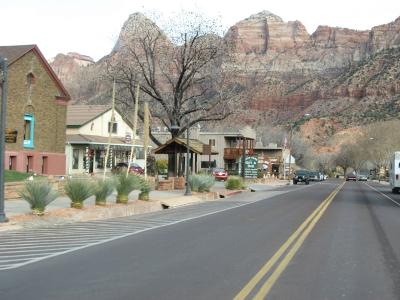
St. George, Utah, occupies a unique geographic niche where the Mojave Desert meets the Colorado Plateau. This convergence creates a landscape defined by striking contrasts: vibrant red rock canyons, stark black lava fields, and lush, green golf courses. The city is known for its abundant sunshine. This warm, arid climate, with winter highs often reaching the 50s and 60s Fahrenheit, attracts a significant population of "snowbirds" seeking relief from colder regions. The atmosphere is relaxed and sunny, offering a distinct departure from the high-altitude chill found in other parts of Utah.
The local economy is deeply intertwined with tourism and retirement living. This demographic shift has fostered a robust hospitality sector, featuring a wide array of hotels, resorts, and dining establishments. The culinary scene has evolved significantly, moving beyond basic roadside fare to offer high-quality, diverse cuisine that reflects the area’s growing sophistication. Restaurants cater to both locals and visitors, providing a culinary experience that rivals larger metropolitan areas. The economy is further supported by real estate and retail, creating a vibrant commercial environment that thrives on the steady influx of seasonal and permanent residents.
Geographically, St. George acts as a strategic hub for exploring the broader region. Its location provides easy access to some of the most iconic natural landmarks in the American Southwest. Zion National Park is about an hour away, offering world-class hiking and dramatic scenery. Snow Canyon State Park is even closer, situated only 15 minutes from the city center, providing immediate access to hiking trails and lava tube caves. For those looking to explore further, Bryce Canyon is approximately 2.5 hours to the north, and the North Rim of the Grand Canyon is about three hours away. This accessibility makes St. George an ideal base camp for multi-day adventures.
The natural environment itself offers diverse recreational opportunities. The surrounding area is known for its world-class golf courses, which take advantage of the mild climate to provide year-round play. Hiking and mountain biking trails wind through the red rock formations, offering challenging routes for experienced adventurers and easier paths for casual walkers. The unique geology, including the black lava fields of Snow Canyon, provides a visually striking backdrop for outdoor activities. The clear skies and abundant sunshine make it an excellent location for photography, capturing the interplay of light and shadow on the rock formations.
Cultural attractions add depth to the visitor experience. The Tuacahn Center for the Arts presents professional theater productions, including Broadway-style musicals and concerts, typically running from May through October. This cultural institution provides a sophisticated entertainment option that complements the outdoor activities. The historic downtown area features antiques shops, art galleries, and the St. George Utah Temple, offering insights into the city’s religious and pioneer heritage. The community is vibrant and welcoming, with a strong sense of pride in its history and its role as a gateway to the Southwest.
Access to St. George is straightforward via Interstate 15. The city is approximately 120 miles from Las Vegas and 300 miles from Salt Lake City, making it easily reachable by car. The infrastructure is well-developed, with ample parking and clear signage. The combination of natural beauty, cultural richness, and a warm, welcoming atmosphere makes St. George a compelling destination for travelers seeking a balanced and immersive experience in the American West.
Best time to visit
October through April offers ideal weather, avoiding the extreme heat of the summer months.
What to see in St. George
Our picks first.

St. George Dinosaur Discovery Site at Johnson Farm
Dinosaurs & Fossils · Museums
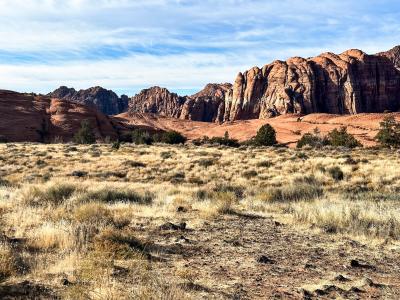
Snow Canyon State Park
From $5 Natural Wonders & Parks · Outdoor Recreation
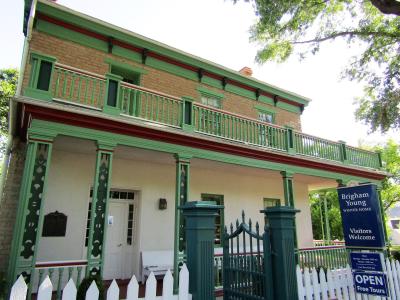
Brigham Young Winter Home
Free Historic Buildings · Museums

Tuacahn Center for the Arts
Cultural & Artistic Experiences · Natural Wonders & Parks

Sand Hollow State Park
Geological Formations · State Parks
St. George by interest
The same sights, grouped by what you came for.
Did you know?
Checked facts about St. George, each with its source.
-
History
The 'Potato Saint' and the City's Name
St. George, Utah, was named in honor of George A. Smith, a Mormon apostle. He earned the nickname 'the Potato Saint' because he actively urged early settlers in the area to cultivate and eat potatoes as a staple crop.
Source: greaterzion.com
Planning a visit to St. George
Itineraries that include St. George
Good to know
- Currency
- USD
- Language
- English