







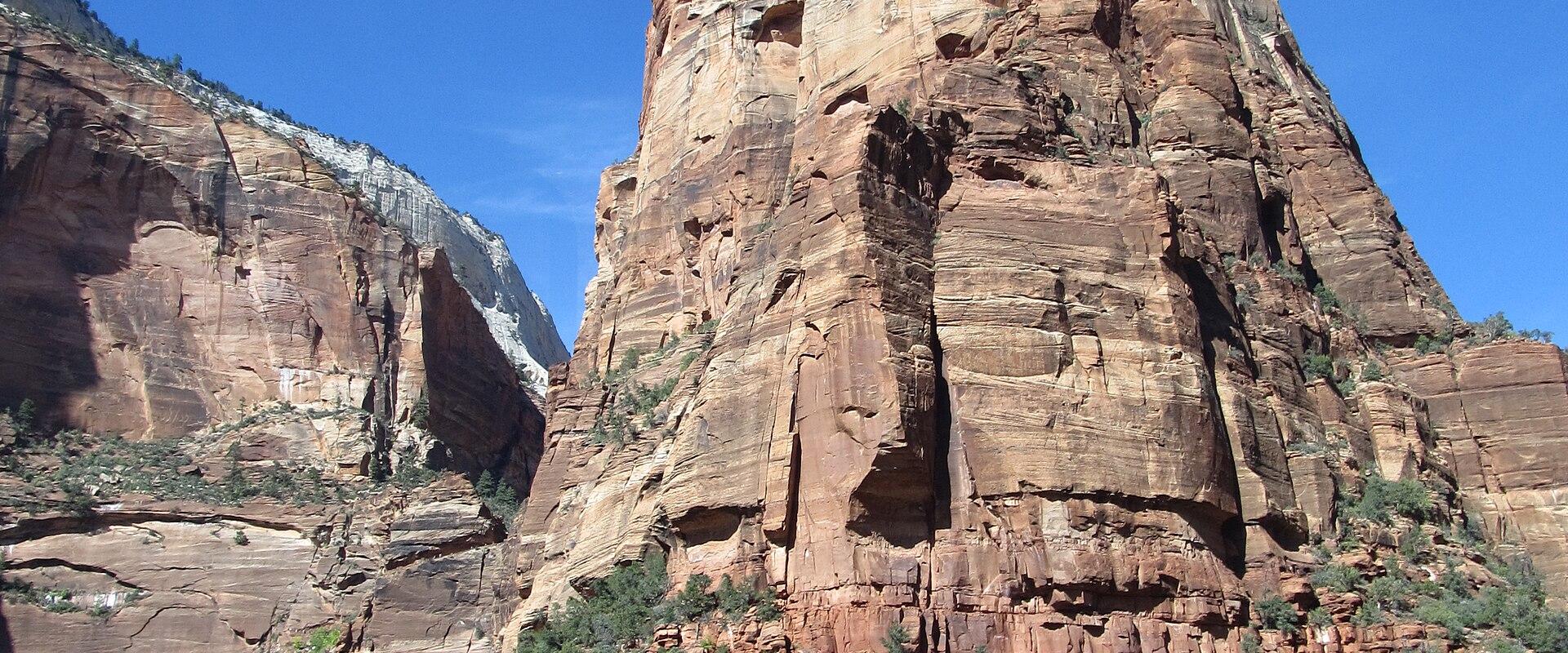
Utah requires personal vehicles for travel. Public transit is limited to urban centers. The state is vast, making distances deceptive. Salt Lake City International Airport serves as a primary gateway. From there, a rental car is essential. Public transit does not connect major sites. The five major national parks are distant. These include Zion, Bryce, and Capitol Reef. Arches and Canyonlands are also remote. You must drive to reach these areas. Public transit cannot bridge the gaps. Personal vehicles are the only practical option. Travel time is significant between locations. Plan for long drives between destinations. The landscape is wide and open. Isolated areas require self-sufficiency. Renting a car is necessary for access. This ensures access to remote natural areas. Public transit is insufficient for exploration. Personal transport is the only viable choice for most travelers in the state.
The Scenic Byway System: Route Planning
Utah's scenic byways link many of its best landscapes, from Highway 12 between Bryce Canyon and Capitol Reef to the Zion-Mount Carmel Highway with its long tunnel. Many are two-lane roads with steep grades, sharp curves and few services between towns. Some high routes, such as the road over Cedar Breaks, close in winter. Plan fuel and food stops in advance, check UDOT road conditions before setting out, and allow more time than a map suggests, because you will stop often for views.
Public transit serves urban centers effectively. The Utah Transit Authority (UTA) provides essential bus and rail options. These systems connect major urban hubs efficiently. Salt Lake City offers robust transit infrastructure. Provo also maintains accessible public transportation networks. Travelers staying in downtown areas benefit significantly. UTA services connect key commercial and residential zones. The TRAX light rail provides reliable north-south travel. FrontRunner trains connect northern and southern communities. Buses cover local routes with frequency. This network reduces the need for personal vehicles. Urban travelers can navigate without private cars. The system supports daily commutes and leisure travel. Access to major hubs remains convenient. Public transit offers a viable alternative to driving. It supports sustainable urban mobility in the region. The infrastructure supports both residents and visitors effectively.
Vehicle Requirements and Safety
Four-wheel drive is essential for backcountry travel. Utah’s high desert terrain demands robust vehicles. Check vehicle condition before departure. Ensure tires are rated for rough terrain. Weather forecasts change rapidly in the mountains. Sudden storms can block high-elevation roads. Prepare for variable weather conditions at all times. Carry extra water, food, and warm clothing. Check tire pressure in cold high-altitude air. Four-wheel drive is recommended for remote areas. It provides necessary traction on loose gravel. Always check road conditions before starting travel. State highways may close due to ice or snow. Be prepared for sudden weather changes in canyons. Afternoon thunderstorms are common in summer months. Always carry a spare tire and jack. Ensure your vehicle has adequate fluid levels. Utah’s vast distances require careful fuel planning. Fill tanks in larger towns before heading out. Remote areas lack gas stations for long stretches. Always inform someone of your travel route. Carry a charged phone and emergency kit. Utah’s terrain is unforgiving without proper preparation. Always check local road closure alerts, because high-elevation roads often close in winter. Carry chains or traction aids in the snow season.
Practical Tips for the Road
Carry a full tank of gas. Utah’s vast distances require careful fuel planning. Remote areas lack frequent stations. Be aware of changing speed limits. Highways transition quickly between zones. Adjust speed to maintain safety. Prepare for sudden weather changes. Mountain conditions shift rapidly. Check forecasts before driving. Use GPS or maps in remote areas. Cell service is often unavailable. Download offline maps in advance. Rely on physical maps as backup. These steps ensure safe travel. Plan routes to avoid getting lost. Stay alert for wildlife crossings. Drive cautiously during adverse weather. Prepare for high altitude effects. Hydrate frequently during long drives. Rest regularly to avoid fatigue. Utah’s terrain demands constant attention. Always prioritize vehicle maintenance. Check tires and brakes regularly. Ensure adequate fuel levels. These practical steps ensure safety. Always drive according to conditions.



