







Wildlife & Ecology
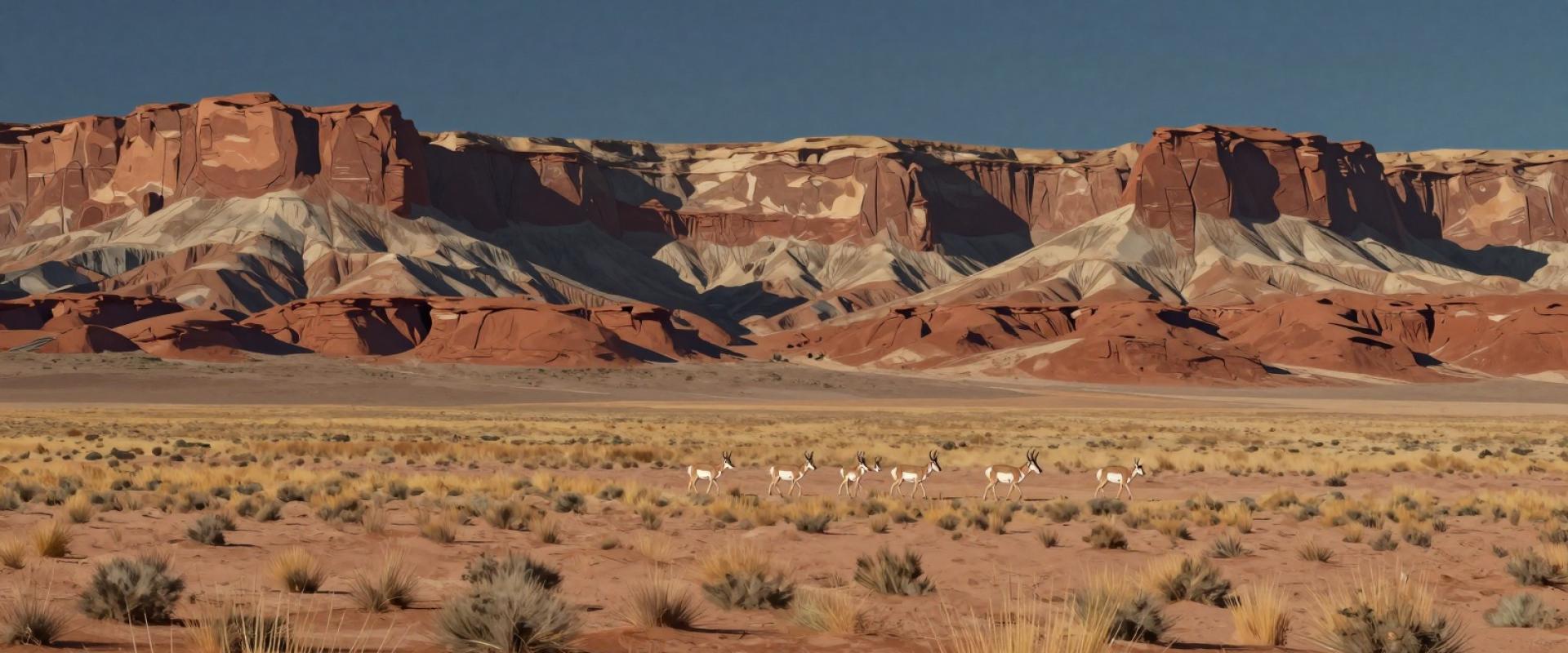
Utah’s vertical diversity creates distinct ecological zones. High-altitude environments in the Uinta Mountains differ significantly from lowland deserts. This variation supports unique biological communities. The Mojave Desert region hosts specific, heat-adapted species. These ecological boundaries define local wildlife distribution. Understanding these boundaries aids in accurate wildlife anticipation. Rapid weather changes frequently impact local animal activity. Plant life responds quickly to these shifting conditions. Accurate ecological knowledge is essential for safe travel. Encounters with large mammals require specific, local knowledge. Predators and venomous reptiles pose genuine risks. Accurate data distinguishes safe travel from dangerous situations. Digital resources provide critical, real-time ecological updates. These updates reflect current, on-the-ground biological conditions. Knowledge of local flora and fauna is vital. This information helps travelers navigate complex, natural landscapes safely. Understanding local ecology ensures a safer, more informed experience in the wild.
Utah’s diverse ecosystems host black bears and mountain lions. Black bears inhabit high-elevation forests, while mountain lions roam rugged canyons. Gray wolves are only rare visitors from neighboring states. Never feed wildlife. Human food creates dangerous, unnatural dependencies. Store food securely, using bear-resistant containers where required. This prevents habituation and protects both animals and hikers. Learn specific response protocols for each predator type. Black bear encounters often require making noise to deter approach. Mountain lion encounters demand a different strategy. Stand tall, appear large, and make loud noises. Do not run, as this may trigger a chase response. Always carry bear spray in bear country. Keep it accessible, not buried in your pack. Consult the Utah Division of Wildlife Resources (UDWR) for real-time updates. Their data reflects current local activity and safety alerts. Digital forums provide additional context but lack official authority. Always verify information with official sources before entering the backcountry. Accurate, up-to-date information is critical for safety. Ignorance of local wildlife behavior increases risk significantly. Prepare thoroughly to ensure a safe and respectful experience in Utah’s wild spaces.
Desert Survival and Safety
Dehydration and sun exposure are primary risks in Utah’s arid zones. Heat stress is a constant, silent threat. Always carry extra water. Sun protection is non-negotiable for survival. Rattlesnakes inhabit these dry landscapes, and Gila monsters live in the Mojave corner around St. George. They require specific avoidance strategies. Do not approach or provoke them. Stay on marked trails to avoid encounters. Flash floods pose a lethal threat in slot canyons. Sudden storms can fill narrow canyons with water. Check weather forecasts before entering any canyon. This step is mandatory for safety. Do not enter narrow passages if rain is forecast. The risk of drowning is high. Always check local conditions and alerts. Utah’s desert ecology is fragile and harsh. Respect the environment to ensure safety. Plan your route carefully. Inform others of your itinerary. Always carry essential survival gear. Water, sun protection, and navigation tools are essential. Do not rely on luck. Prepare for extreme conditions. Utah’s desert is unforgiving. Respect its power. Stay alert and prepared at all times. Your safety depends on your preparation. Always prioritize safety over speed. Check local regulations before entering. Respect wildlife and their habitats. Do not disturb native plants. Leave no trace. Preserve the desert for future visitors. Utah’s desert is a unique and fragile ecosystem. Protect it by following all rules and regulations. Stay safe and enjoy the beauty of Utah’s desert.
Ethical Viewing and Leave No Trace
Maintain distance to avoid stressing Utah’s wildlife. Use optical aids like binoculars instead of approaching animals. Stay on designated trails to protect fragile desert crusts. These crusts stabilize soil in arid regions. Pack out all trash to prevent habitat alteration. Litter disrupts local ecosystems and harms native species. Respect the natural environment to ensure long-term preservation. Utah’s diverse landscapes require careful stewardship. Protecting these areas ensures future access. Always follow Leave No Trace principles. This approach minimizes human impact on sensitive habitats. Responsible behavior preserves the integrity of Utah’s unique ecology for future generations.
Seasonal Considerations and Planning
Spring and fall offer optimal conditions for wildlife viewing. Summer heat requires adjusted activity times. Plan for early morning or late evening excursions. Heat stress is a significant risk in Utah’s deserts. Winter travel requires preparation for snow and cold. Check for seasonal closures in protected areas. The Uinta Mountains may remain inaccessible due to snow. Plan routes based on current road conditions. Adapt plans to seasonal rhythms for a respectful experience. Respect local regulations regarding wildlife proximity. Maintain safe distances from all animals. This approach ensures safety for both visitors and wildlife. Utah’s diverse ecosystems require specific seasonal awareness. Always verify open status before visiting remote areas. This planning prevents dangerous encounters and protects fragile habitats. Prioritize safety over convenience during all seasonal visits.



