







Local Laws & Etiquette
Utah manages vast public lands through strict regulations. The state holds significant federal land, requiring careful stewardship. Hikers must follow Leave No Trace principles strictly. This includes packing out all waste and trash. Campfires are often prohibited in high-risk areas. Visitors must check local fire restrictions before lighting any stove. Stepping off designated trails damages fragile cryptobiotic soil. This soil takes decades to recover from damage. Wildlife protection is also a legal priority. Feeding or approaching animals is illegal and dangerous. Hikers must yield to horses and equestrians. Always step to the downhill side of the trail. Bicyclists must yield to hikers and horses. These rules protect the high desert ecosystem. Utah’s unique geology requires extra care. Rock formations are fragile and easily damaged. Tread lightly to preserve these natural features for future visitors. Respecting local laws ensures the land remains intact. It is a shared responsibility for all visitors. Adhering to these guidelines preserves the natural beauty. It ensures the environment remains pristine for everyone.
Cultural Sensitivity and Local Faith
Utah’s culture is deeply influenced by the Church of Jesus Christ of Latter-day Saints. This religious presence shapes local laws and social etiquette significantly. Residents often observe the Sabbath on Sunday, leading to quieter streets and closed businesses. Many stores close early or remain closed on Sundays. Visitors should respect these local customs by planning activities accordingly. Public displays of affection are generally discouraged in conservative communities. Dress codes may be more conservative in rural areas and religious settings. When visiting temple grounds or meetinghouses, modest attire is expected. Engaging in respectful dialogue is key. Locals appreciate visitors who show interest in their traditions without judgment. It is important to ask permission before taking photos of individuals. Respecting personal space is also crucial. While Utah is known for outdoor recreation, social interactions remain formal in many contexts. Understanding these nuances helps visitors navigate local social norms effectively. Being polite and observant is always appreciated. This approach fosters positive interactions with local residents. It ensures a respectful and enjoyable experience for all visitors throughout the state.
Wildlife Encounters and Safety Protocols
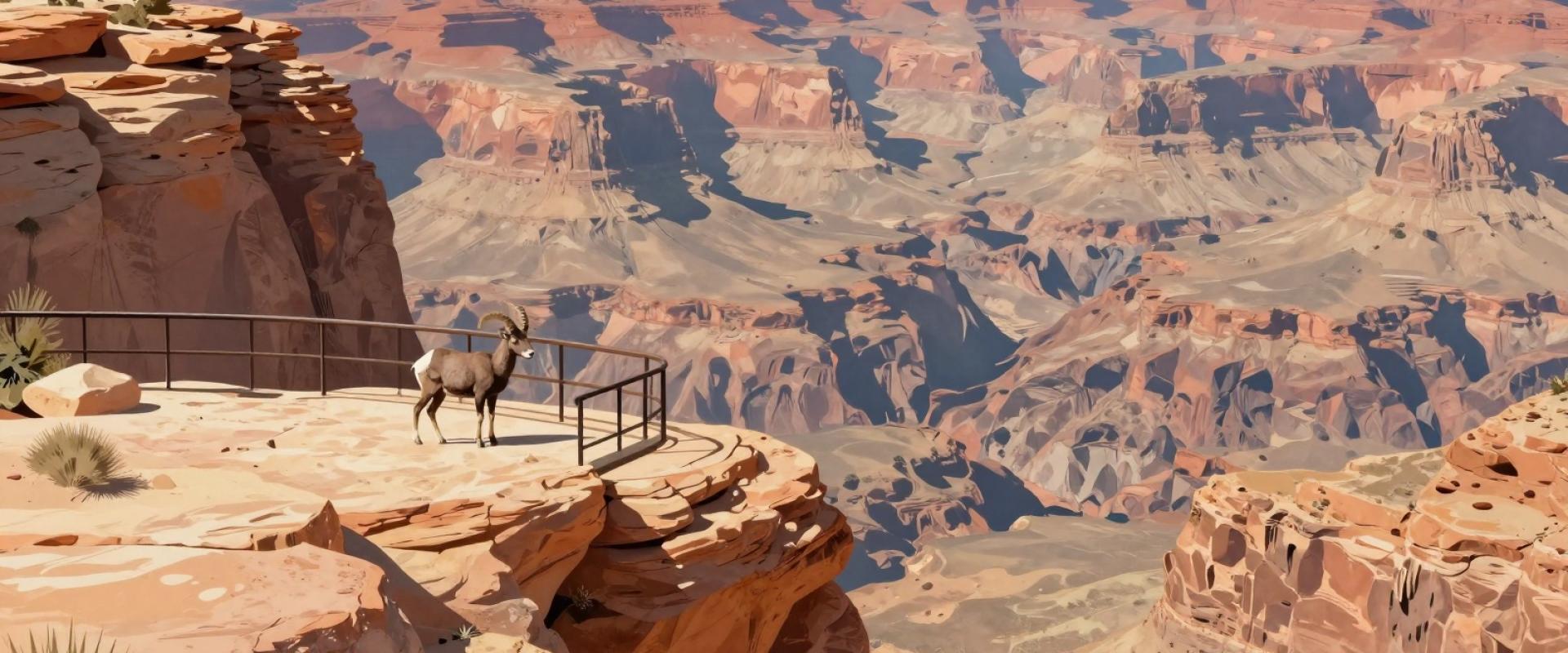
Feeding wildlife is prohibited in national parks, and Utah law also bans feeding big game such as deer and elk. This rule protects animal health and human safety. In national parks, stay at least 100 yards from bears and 25 yards from other large animals such as elk and bighorn sheep. Utah's black bears live in forested mountain areas. Always store food in bear-proof containers. Never approach wildlife for photographs or contact. Snake encounters are common in desert regions. Watch your step on rocky trails. Identify rattlesnakes by their triangular heads and rattle. If you encounter a snake, stop and back away slowly. Do not attempt to handle or kill snakes. Utah law protects native reptiles and amphibians. Report aggressive wildlife to local authorities immediately. Always carry bear spray in backcountry areas. Store food securely in vehicles or canisters. Respect closed areas to protect sensitive habitats. Utah’s diverse ecosystems require strict adherence to safety rules. Always check local regulations before hiking. Stay on designated trails to protect fragile plant life. Report any injured or orphaned wildlife to experts. Do not feed animals, as it alters natural behaviors. Utah’s wildlife is protected by state and federal laws. Always observe quiet and respectful behavior in nature. Leave no trace of your visit. Preserve Utah’s natural beauty for future generations.
Cannabis Laws and Federal Land Restrictions
Utah prohibits recreational marijuana use. State law strictly limits medical cannabis access. Recreational possession remains illegal. You face penalties for public consumption. Federal law governs all national lands. This includes Zion and Arches parks. These areas fall under federal jurisdiction. State medical marijuana laws do not apply here. Possession on federal land violates federal statutes. Penalties can include arrest and fines. You must respect the boundary between state and federal authority. Public use is prohibited in all public spaces. This includes parks, streets, and public buildings. Violations result in legal consequences. Always check specific land management designations. Federal land requires strict adherence to federal law. State exemptions do not apply in these zones. Respect local regulations to avoid legal issues. Compliance ensures a safe and legal visit. Always verify current local laws before visiting. Regulations can change without immediate notice. Stay informed about local legal requirements. Adherence to local laws is mandatory. Violations can result in significant penalties. Always prioritize legal compliance during your visit. Respect local customs and legal boundaries. This ensures a respectful and safe experience for all visitors. Always prioritize legal compliance and respect local customs.
Drone Regulations and Airspace Restrictions
Drones are banned in all national parks, including Zion, Bryce Canyon and Arches, and Utah state parks restrict where they may fly. FAA regulations also apply to all operators. You must register drones over 0.55 pounds. Visual line of sight is mandatory. Fly only in daylight or with proper lighting. Respect private property boundaries strictly. Do not fly over crowds or emergency scenes. Violations result in heavy fines and potential jail time. Always check local park rules before flying. Some areas require special permits for commercial use. Always prioritize safety and privacy. Respect other visitors and wildlife. Keep your drone under control at all times. Failure to comply can result in severe penalties. Always verify current regulations before each flight. Local laws change frequently. Check official state resources for updates. Always prioritize safety and legal compliance. Fly responsibly to protect Utah's natural beauty.



