







Cultural Foundations and Historical Context
Utah’s museums anchor the state’s dual heritage. They preserve both indigenous and pioneer histories. These sites function as active cultural archives. They do not merely store artifacts. The institutions document the complex social fabric of the region. This approach honors the deep roots of Native American tribes. It also records the settlement experiences of early Mormon pioneers. The state’s museums serve as vital educational hubs. They provide context for understanding the state’s unique development. Visitors gain a deeper appreciation for the land’s history. The exhibits highlight the resilience of local communities. This historical context enhances the overall visitor experience. It transforms a simple visit into a meaningful educational journey. The state’s cultural institutions bridge the past and present. They offer a comprehensive view of Utah’s diverse heritage. This approach ensures that the state’s rich history remains accessible. It allows visitors to connect with the state’s past. The museums serve as vital links to the past. They preserve the state’s unique cultural identity for future generations.
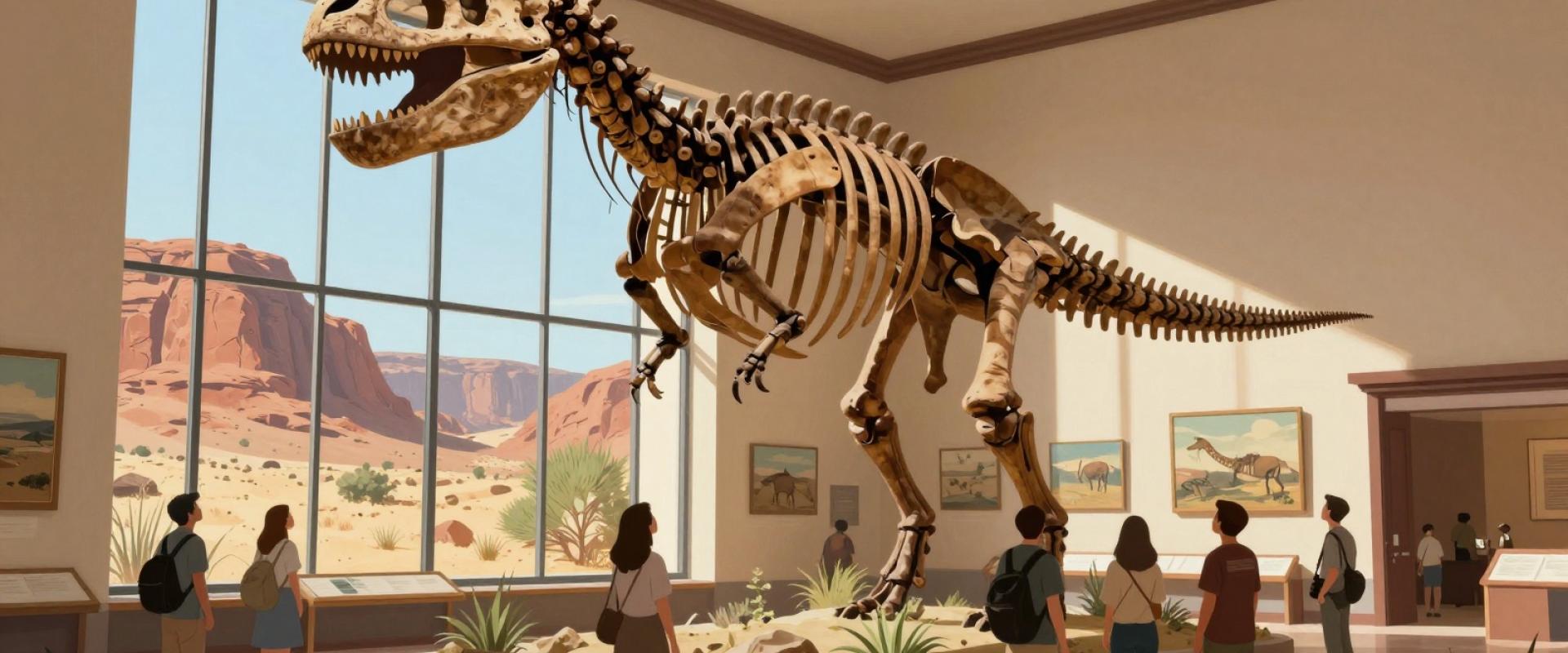
Salt Lake City hosts the Natural History Museum of Utah and the Utah Museum of Fine Arts, both on the University of Utah campus. Provo offers the BYU Museum of Art. These institutions anchor regional cultural heritage. The Utah Museum of Fine Arts displays extensive collections. The Springville Museum of Art, just south of Provo, focuses on Utah art. Both locations require advance planning. Check exhibition schedules before visiting. Guided tours provide deeper historical context. Staff members offer specialized insights. Visit during weekdays for smaller crowds. Weekends attract larger, more diverse groups. Admission fees vary by institution. Students often receive discounted rates. Memberships provide free entry for a year. Plan visits around special temporary exhibitions. These events draw significant local interest. Book tickets online to avoid lines. Check opening hours before traveling. Some institutions close on holidays. Verify current operating hours online. Always check for special event closures. Parking fees apply at some locations. Arrive early to secure a spot. Plan accordingly for a smooth visit.
Exploring Regional Heritage Centers
Regional heritage centers preserve local history outside major urban centers. These sites offer specific insights into local communities. They document unique local histories distinct from state narratives. Visitors should allocate specific time for these smaller visits. The experience provides deep local historical context. This approach reveals the human scale of history. Travelers gain a nuanced understanding of local heritage. The focus remains on community-specific historical records. This method ensures a detailed exploration of local identity. It offers a precise view of regional heritage. This approach supports a deeper understanding of local history. The experience is both educational and reflective. It highlights the unique character of each region. This approach ensures a meaningful and accurate exploration of local heritage.
Practical Logistics and Accessibility
Opening days and hours vary, so verify schedules online before visiting. Some university museums are free, while others charge admission. Children and seniors often receive discounted rates. Many institutions offer free admission on specific weekdays. Parking is generally available at major sites. However, spaces fill quickly during peak summer months. Arriving early ensures a convenient parking spot. Public transportation options are limited outside Salt Lake City. Consider driving or using local shuttle services. Check specific venue websites for current parking fees. Some locations offer free parking on weekends. Always check for special event closures. This ensures a smooth and stress-free visit to Utah's historic sites.
Visitor Etiquette and Best Practices
Visitors must maintain a quiet demeanor within Utah’s museums. Touching artifacts is strictly prohibited to preserve fragile items. Always follow specific rules set by each institution. Some sites restrict photography to protect delicate artifacts. Check specific guidelines before visiting any historic site. Using guided tours enhances understanding of local history. Audio guides provide detailed context for exhibits. These tools help visitors appreciate Utah’s unique heritage. Respect for cultural artifacts ensures preservation for future generations. Adhering to these guidelines ensures a respectful experience for all. Always verify specific rules for each unique site visited.



