







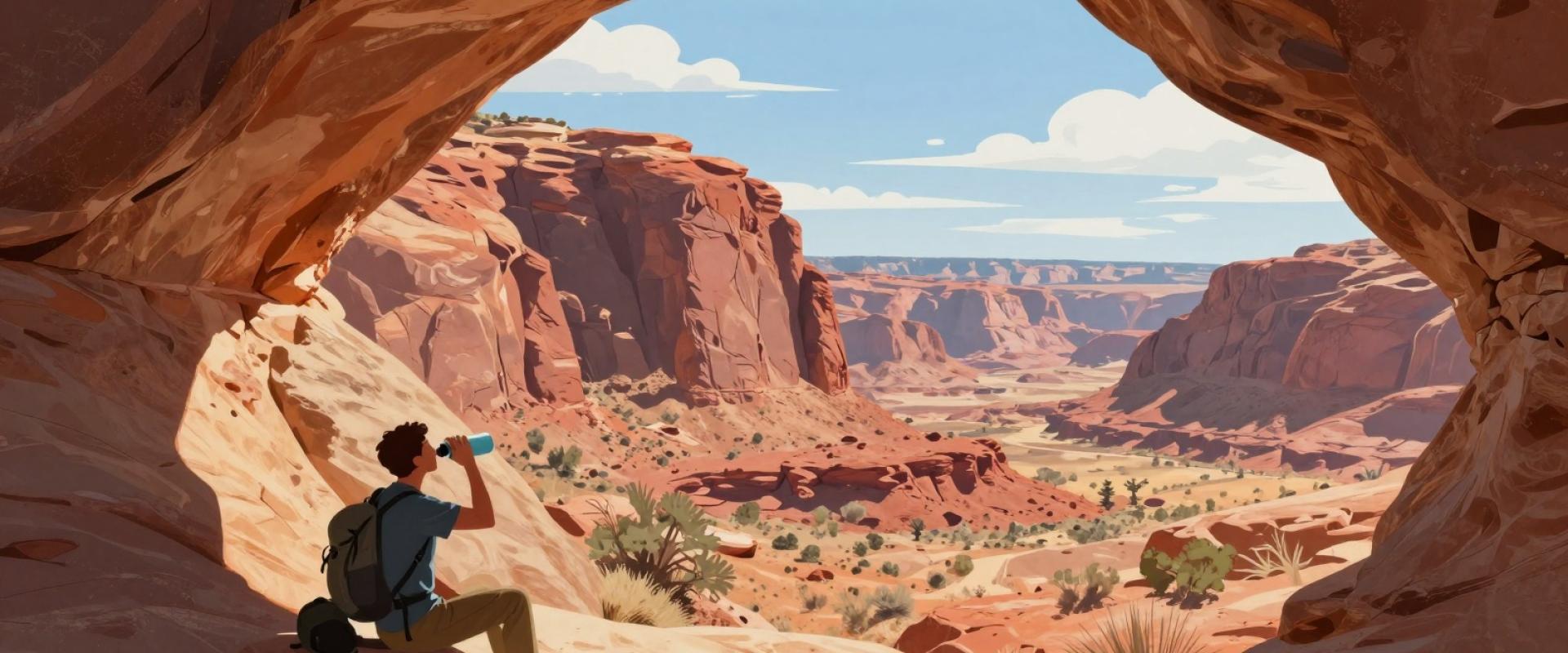
Utah’s high elevation increases altitude sickness risks. Acute mountain sickness causes headache, nausea, and dizziness. Acclimatization is essential for safety. Spend time at lower elevations first. This allows your body to adjust gradually. Stay hydrated throughout your entire stay. Dehydration worsens altitude symptoms significantly. Avoid alcohol during the initial acclimatization period. Alcohol dehydrates the body and impairs judgment. Strenuous activity should be limited initially. Rest is critical during the acclimatization phase. Listen to your body’s specific signals. Descend immediately if severe symptoms appear. Headache with nausea indicates acute distress. Do not ignore these warning signs. Hydration is the primary defense mechanism. Drink water frequently to maintain balance. Avoid overexertion in the first 24 hours. Let your body adapt to the thin air. This approach ensures a safe and healthy experience. Always prioritize physical limits over schedule goals. Monitor your condition closely at all times. Immediate descent is necessary for severe cases. Prioritize safety above all other travel goals.
Sun Protection and Hydration Strategies
Utah’s high elevation increases UV radiation intensity. Clear skies amplify sun exposure risks significantly. You must use broad-spectrum sunscreen to prevent severe sunburn. Protective clothing is essential for extended outdoor exposure. Wear UV-protective eyewear to safeguard your eyes from glare. Hydrate proactively throughout the day. Do not wait until you feel thirsty to drink water. Dehydration occurs rapidly in dry, high-altitude environments. Consider electrolyte supplements to maintain proper balance. Replenish lost salts during physical activity. This strategy prevents heat-related illnesses effectively. Always carry extra water when hiking. Monitor your body’s response to the altitude. Adjust your pace according to your hydration levels. Staying hydrated is critical for safety in Utah’s unique climate. Prioritize preventive measures to ensure a safe experience.
Wildlife Encounters and Safety
Utah’s diverse wildlife requires strict caution. Maintain a safe distance from all wild animals. This includes bears, mountain lions, and moose. Do not approach or feed these animals. Store food securely in your vehicle or campsite. Use bear-proof containers when available. This prevents attracting wildlife to your camp. Be cautious of snakes in rocky areas. Utah is home to rattlesnakes and other venomous species. Watch where you step on trails. Check your boots and clothing before wearing them. In the event of an encounter, remain calm. Do not run. Back away slowly while facing the animal. Make noise to deter aggressive behavior. Report any aggressive animal behavior to park authorities immediately. This ensures your safety and the safety of others. Always carry bear spray in bear country. It is an effective deterrent against attacks. Stay alert and aware of your surroundings at all times. Respect wildlife by observing from a distance. Do not feed animals or leave food unattended. This protects both you and the animals. Always follow local guidelines and signage. These rules are designed to keep everyone safe. Stay safe and enjoy Utah’s natural beauty responsibly.
Utah’s desert terrain demands strict preparation. Temperatures fluctuate drastically between day and night. Hot days require significant hydration. Cold nights follow quickly at high elevations. Flash floods pose a severe threat in narrow canyons. Check weather forecasts before entering any slot canyon. Sudden rain can cause deadly flash floods. Always stay on marked trails in rugged areas. Off-trail travel risks getting lost in complex terrain. The landscape offers little visual reference for navigation. Carry extra water beyond standard recommendations. Pack high-energy food for extended trips. A first-aid kit is essential for remote areas. Inform a trusted contact of your route plan. Provide your expected return time to them. This ensures help is summoned if you are late. Utah’s isolation amplifies the risk of getting lost. Always carry a map and compass as backup. Do not rely solely on electronic devices. Battery failure is a common cause of distress. Stay on established paths to avoid injury. The terrain is rugged and unforgiving. Respect the environment and your physical limits. Safety depends on preparation and awareness. Always check local conditions before heading out. Utah’s desert is beautiful but unforgiving. Prepare adequately for a safe experience.
Emergency Preparedness and Communication
Cellular service is often unavailable in Utah’s remote areas. You must carry a satellite communication device. A satellite phone or personal locator beacon is essential for safety. Cellular networks frequently fail in remote canyons. Inform a trusted contact of your planned route. Provide your expected return time to this contact. Share your emergency contact information with them. This protocol ensures help can locate you. Carry a well-stocked first-aid kit at all times. You must know basic first-aid skills for self-rescue. In an emergency, remain calm and assess the situation. Do not panic. Use your satellite device to call for help. Provide clear, concise information about your location. State the nature of the emergency accurately. Report any injuries sustained during the incident. Clear communication is critical for a successful rescue. Wait for rescue personnel if you are injured. Do not attempt to travel further if injured. Your safety depends on clear communication and preparation. Always prioritize self-reliance in Utah’s rugged terrain.



