







Utah's Seasonal Economy
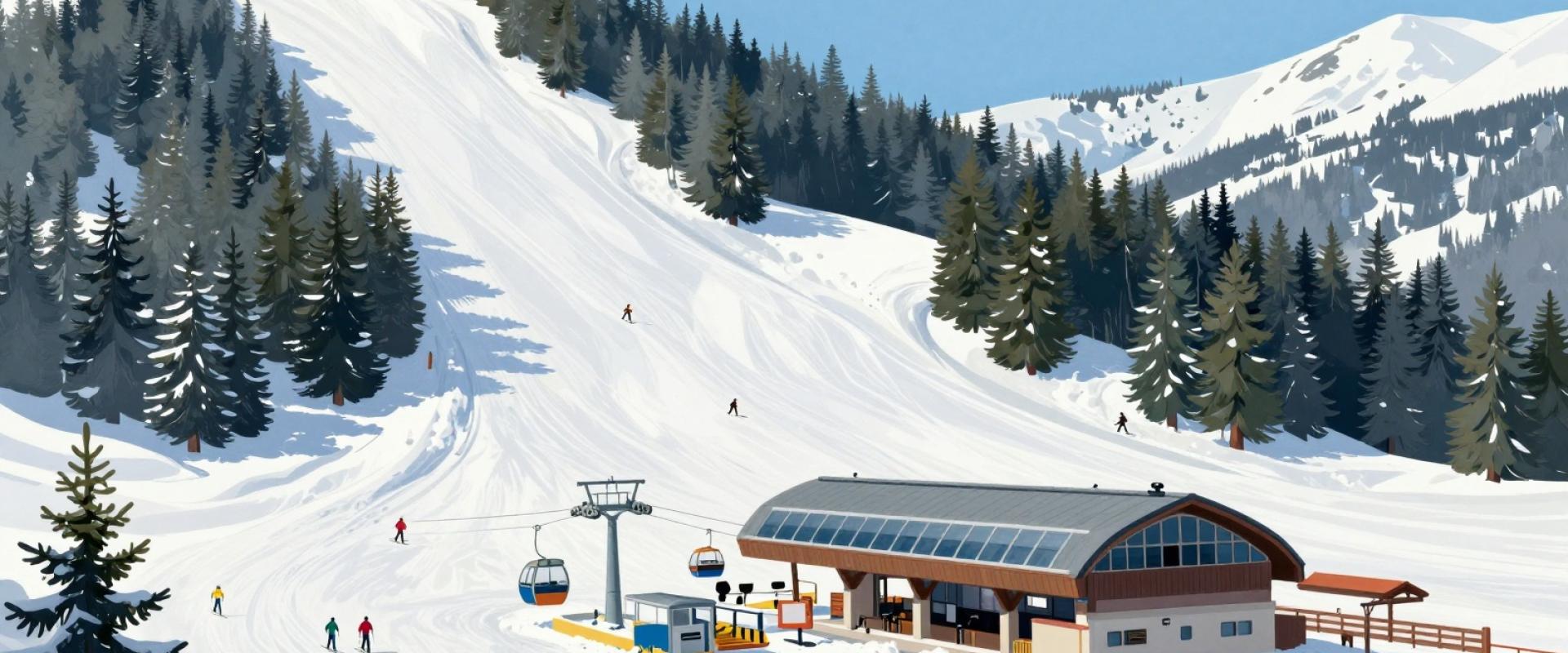
Utah’s economy relies on a distinct dual-peak seasonal structure. The first peak occurs during the winter ski season, running from November through April. Major hubs like Park City and Deer Valley drive this high demand. The second peak aligns with the summer outdoor season, spanning May through September. This dual structure creates a unique labor market for job seekers. Hospitality, retail, and guiding roles see significant spikes in hiring during these windows. Workers must time their applications to match these specific cycles. The geographic diversity of the state further influences job types. Mountain resorts in the north offer different opportunities than desert regions in the south. Preparation is critical for securing these roles. Workers often need to plan housing and relocation well in advance. The demand for seasonal staff is high, but competition is also intense. Understanding the local timing is essential for success. This structure ensures a steady flow of temporary labor during peak tourist periods. It supports the local economy while providing flexible work options. The balance between winter and summer seasons defines the local workforce dynamics. Each season brings its own set of challenges and opportunities. Workers must be adaptable to meet these changing needs. The economic stability of the region depends on this seasonal rhythm. It is a key component of the local business model. Success requires careful planning and timely action. The seasonal nature of the work is a defining characteristic. It shapes the lifestyle and economy of the region. This structure is unique to the area's specific conditions. It reflects the natural cycles of the local environment. The seasonal economy is a vital part of the local identity. It supports the local community and economy. The seasonal workforce is an essential part of the local economy. It is a key part of the local economy. The seasonal economy is a key part of the local economy.
Key Industries and Roles
Winter roles dominate the northern economy. Ski instructors guide guests at Park City. Lift operators manage chairlifts in Summit County. Maintenance staff repair trails and lodges. Food service roles fill resort cafeterias. These positions require specific service skills. Summer roles shift to Moab and national parks. Adventure guides lead rafting and hiking tours. State parks near Moab, such as Dead Horse Point, hire seasonal staff. Campground hosts assist travelers in remote areas. Physical demands are high for all roles. Workers face long hours and weekend shifts. Holiday work is standard during peak seasons. Remote environments require self-sufficiency and endurance. Perks often include employee ski passes. Housing stipends or provided housing are sometimes offered. Certifications like WFR are often required. Specialized training ensures safety in rugged terrain. Employers value reliability and physical stamina. The dual-peak structure supports year-round employment. Winter roles focus on hospitality and safety. Summer roles emphasize outdoor adventure and guidance. Both sectors offer stable, seasonal income. Workers must adapt to changing conditions. The local economy relies on this labor. Utah’s unique geography defines these roles. Skilled workers are in high demand. The state benefits from this seasonal workforce.
Housing and Logistics
Employers in Park City often provide housing. This option is highly competitive. Apply early to secure a spot. Independent housing is available but expensive. Rent prices are high in tourist hubs. You must research options before arriving. Budget carefully for monthly costs. Transportation is limited in rural areas. Public transit options are sparse. A personal vehicle is often necessary. This is critical for reaching remote worksites. Plan your logistics well in advance. Secure stable housing before starting work. This ensures stability during the season. Winter roles are in high demand. Ski resorts hire many seasonal staff. Be prepared for high competition. Renting an apartment is difficult. Start your search early. This reduces stress and uncertainty. Secure your living situation first. Then focus on your job. This approach ensures a stable start. It allows you to focus on work. Do not wait until the last minute. Early preparation is essential for success. This is vital for a smooth transition. Plan ahead to avoid last-minute stress. This is the best strategy for success.
Legal and Visa Requirements
International workers must secure proper authorization before working in Utah. The J-1 Visa is the primary pathway for seasonal roles. This visa supports hospitality workers in ski resorts. You must have a designated sponsor to apply. The sponsor submits the required documentation to the government. You must complete the DS-2019 form accurately. This form is essential for your visa application. You must attend an interview at a U.S. embassy or consulate. This step is mandatory for visa approval. Processing times vary significantly by location. Start the application process early to avoid delays. Late applications may result in missed seasonal work. You must adhere strictly to local labor laws. Violations can result in immediate visa cancellation. You must maintain valid status throughout your stay. Failure to comply can lead to deportation. Plan your timeline carefully to ensure legal compliance. Always verify your visa status before starting work. Consult with an immigration attorney for specific advice. Legal compliance is essential for a successful stay. Do not assume general rules apply to your case. Always verify individual requirements with official sources. Stay informed about changes in immigration policy. This ensures continued legal status in the United States.
Cultural Integration and Safety
Utah’s high desert climate demands specific preparation. Winter temperatures drop significantly at night. Workers must wear appropriate thermal layers. Sudden weather changes are common in the mountains. Check daily forecasts before heading to work sites. Utah values personal responsibility and self-reliance. Employees are expected to manage personal safety. Always inform colleagues of your planned route. Carry essential supplies when hiking or working outdoors. Respect local customs and quiet hours. Many communities are close-knit and family-oriented. Greet neighbors politely to build trust. Participate in local community events when possible. This fosters better integration with local staff. Utah’s culture emphasizes hard work and honesty. Respect these values in all professional interactions. Safety is a shared responsibility. Report hazardous conditions to supervisors immediately. Do not ignore safety protocols for speed. Wear required protective gear at all times. Stay hydrated in dry, high-altitude conditions. Utah’s thin air affects physical stamina. Take regular breaks to prevent fatigue. Always carry water and sun protection. Utah’s environment is beautiful but unforgiving. Respect nature to ensure personal safety. Follow all posted warning signs strictly. Do not enter closed trail areas. Report any unsafe equipment to management. Prioritize personal well-being over work deadlines. Utah’s workforce values reliability and care. Adhere to all safety guidelines strictly. This ensures a safe work environment for all. Utah’s culture supports mutual respect and care. Always prioritize personal safety in all tasks.



