Skip to content
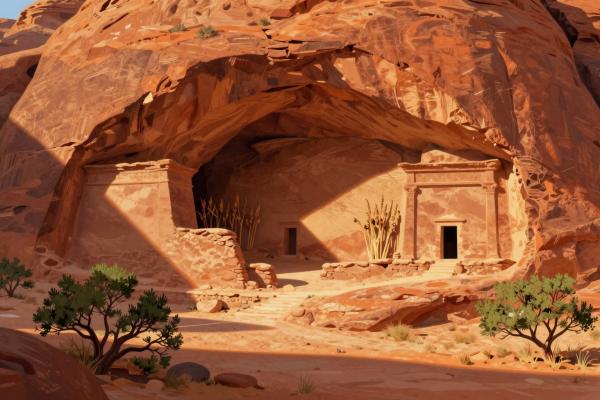
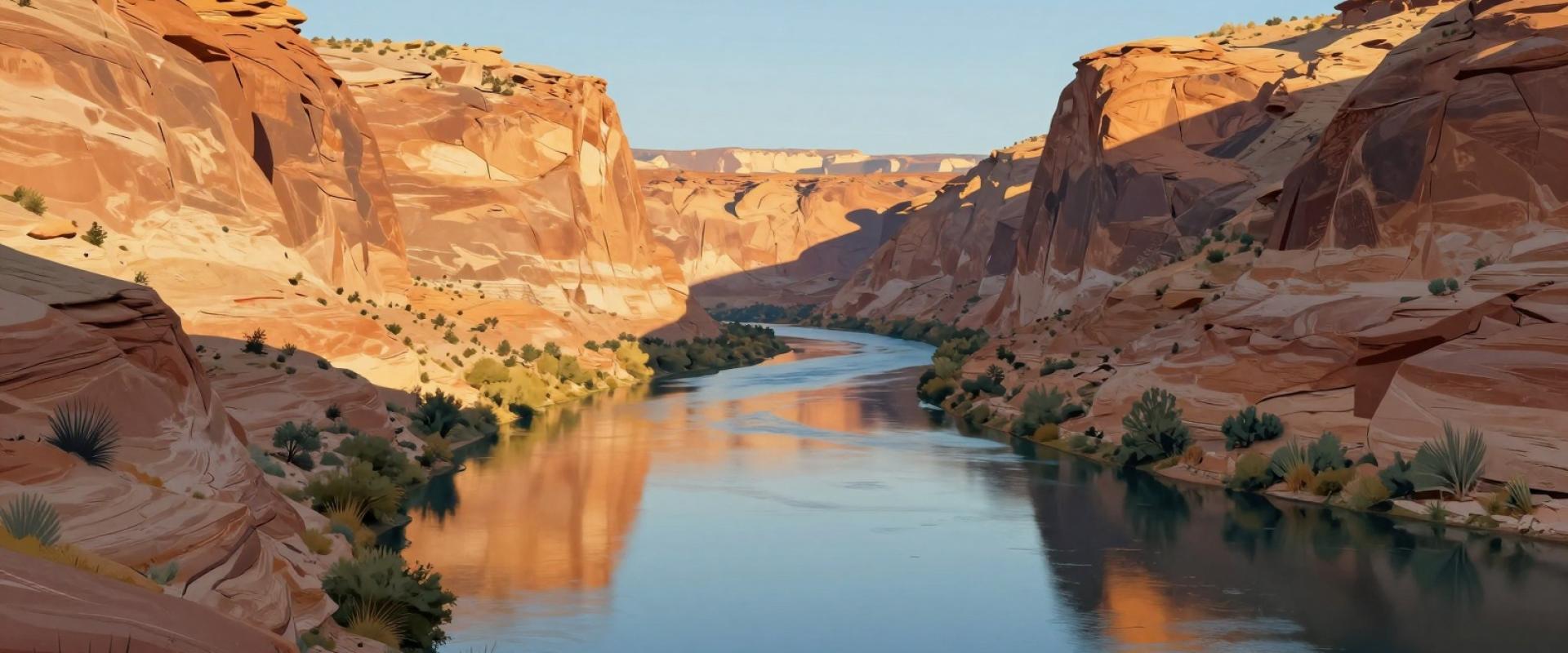
Illustrative header image for Best of Bluff
AI-generated illustration

1-day itinerary

Best of Bluff

One-day tour of Bluff, Utah, and Bears Eares

Length
1 day ยท 3 sights
Pace
Easy
Estimated cost
$45 per person
Based in
Bluff

Day by day

  1. Day 1: Exploring the San Juan River and High Desert

    A balanced day exploring the iconic geological features and historic sites around Bluff, Utah, including a scenic drive, a hike, and a cultural stop.

    • 08:00

      Go to Goosenecks State Park

      Start the day with a visit to the Goosenecks State Park to witness the dramatic U-shaped canyon of the San Juan River. Walk the short trails for stunning overlooks.

      About 2 hours

    • 09:30

      Visit Sand Island Petroglyph Panel

      Drive to the Sand Island Petroglyph Panel to view ancient Ancestral Puebloan rock art. This is a short, accessible stop that provides historical context to the area.

      About 1.5 hours

    • 12:30

      Lunch in Bluff

      Return to the town of Bluff for lunch. Options include local cafes or the Bluff Store for snacks and basic meals.

      About 60 min

    • 14:00

      Explore Bluff Fort Historic Site

      Visit the historic Bluff Fort, a well-preserved 19th-century Mormon settlement. Explore the historic buildings and learn about the local history and pioneer life.

      About 2 hours

    • 15:30

      Valley of the Gods Scenic Drive

      Drive the 8-mile loop through the Valley of the Monsters. This paved road offers stunning views of red rock formations and is accessible by standard vehicles. Take time to stop at overlooks.

      About 2 hours

    Meals:
    Breakfast at Bluff Town Center; Lunch at Bluff Town Center; Dinner at Bluff Town Center
    Where to stay:
    Stay in one of the local motels or B&Bs in Bluff, such as the San Juan Inn or local guest houses, to be close to the attractions.
    Getting around:
    A standard car is sufficient for all activities. Roads are paved or well-maintained gravel. No 4WD is strictly necessary for the main attractions, but 4WD is recommended for off-road exploration in the area.

Practical information

Bluff, Utah, is best visited between April and October, when daytime temperatures are mild and the risk of flash floods or snow is minimal. While the region is accessible year-round, winter months can bring hazardous conditions, including ice on the rugged roads leading to remote sites. Spring and fall offer the most comfortable conditions for hiking and exploration, with cooler nights that require layering. Access to Bluff is primarily via vehicle. The town is located at the junction of State Route 261 and State Route 95, approximately 30 miles north of Blanding. Most visitors arrive by car, as public transportation is limited to the local B-C Express shuttle, which operates on a limited schedule and may not align with flexible travel plans. Renting a 4WD vehicle is highly recommended, especially for accessing the rugged, unpaved roads leading to key sites like the White Rim Road or the remote canyons in the Bears E region. Tire pressure should be adjusted, and a spare tire is essential. Accommodation options in Bluff are limited but include the historic Bluff Inn, a historic hotel offering basic amenities, and several local motels. Due to the town's small size and popularity with tourists, booking accommodations well in advance is crucial, particularly during the peak spring and fall seasons. Camping is also a viable option, with both developed campgrounds and dispersed camping opportunities available in the surrounding Bureau of Land Management (BLM) land, provided visitors follow local regulations and pack out all waste. Budget considerations should account for the high cost of fuel, as gas stations are sparse in the area. It is advisable to fill up in Blanding or Monticello before heading to Bluff. Additionally, budget for entrance fees to nearby parks, such as Canyonlands National Park, and consider purchasing a multi-pass if planning to visit multiple federal lands. Travelers should pack sturdy hiking boots, sun protection, and ample water, as services are limited. Cell phone service is unreliable in many areas, so downloading offline maps and carrying a physical guidebook is essential. Respect for the local environment and cultural sites, including Ancestral Puebloan artifacts, is paramount; visitors should adhere to Leave No Trace principles and respect all closures and restrictions in place to protect these fragile landscapes.

Questions people ask

Book your stay