Skip to content
Illustrative header image for One Day in Moab
AI-generated illustration

1-day itinerary

One Day in Moab

One-day self-drive tour of Arches and Canyonlands

Length
1 day
Pace
Easy
Estimated cost
$55 per person
Based in
Moab

Day by day

  1. Day 1: Moab Icons: Arches, Mesa Arch, and Dead Horse Point

    A comprehensive one-day loop covering the most iconic landmarks in the region, starting with the sunrise at Mesa Arch, exploring Arches National Park, and ending with a sunset view at Dead Horse Point State Park.

    • 06:30

      Drive to Arches Entrance

      Drive from central Moab to the Arches National Park entrance. Arrive early to secure parking and beat the heat.

      About 30 min

    • 07:15

      Arches National Park: Delicate Arch & Devil's Garden

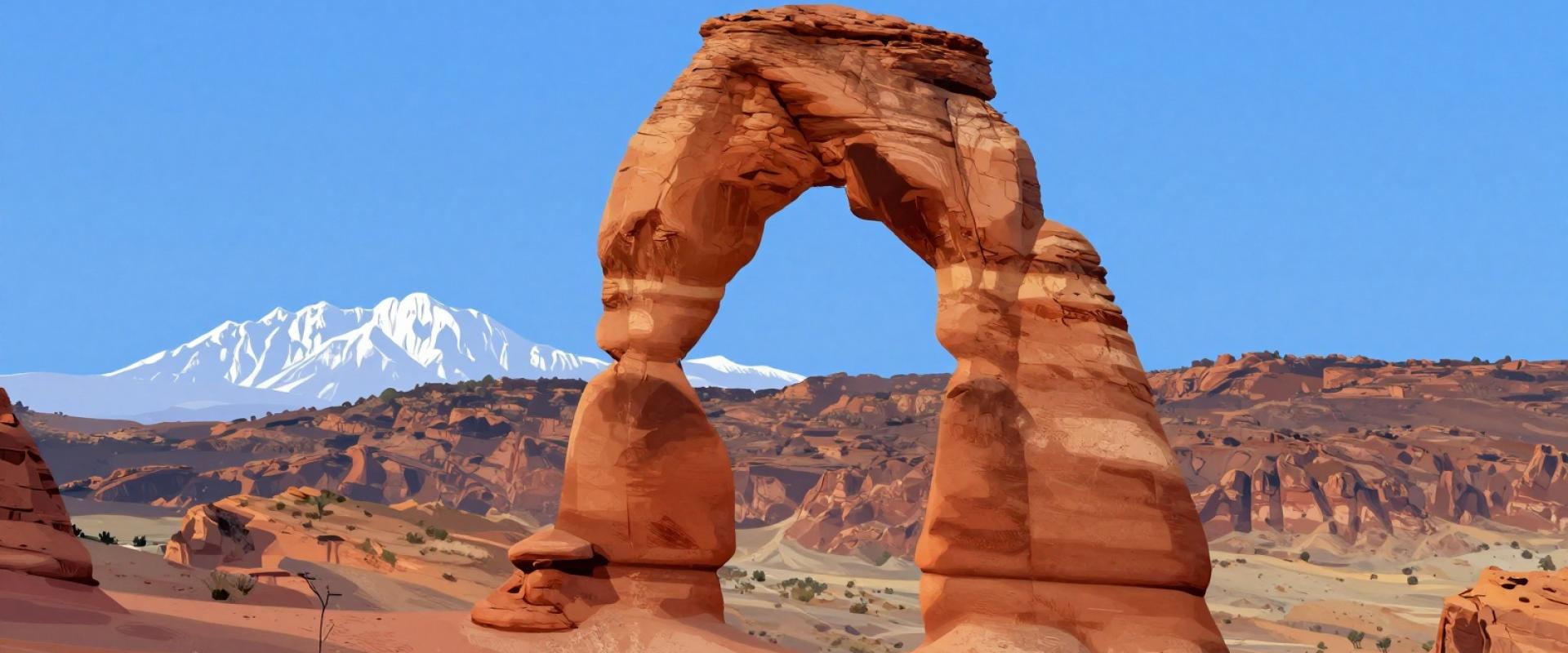
      Hike the 3-mile round trip to Delicate Arch, the iconic symbol of Utah. Continue to the Devil's Garden trail for panoramic views of the park.

      About 1.5 hours

    • 10:30

      Breakfast/Brunch in Moab

      Return to town for a light breakfast or brunch at a local cafe to refuel after the morning hike.

      About 60 min

    • 12:30

      Upper Cistern & Turret Arch

      Return to the park for a shorter, moderate hike to the Upper Cistern trail, offering stunning views of the sandstone fins and arches.

      About 1.5 hours

    • 14:30

      Lunch in Moab

      Lunch at a local restaurant or takeout spot. Recommended: local Mexican or American cuisine.

      About 60 min

    • 16:30

      Dead Horse Point State Park

      Drive to Dead Horse Point State Park for the iconic sunset view over the Colorado River. The overlook offers one of the most spectacular vistas in the region.

      About 60 min

    • 18:30

      Return to Moab

      Drive back to Moab for dinner and rest.

      About 30 min

    Where to stay:
    Stay in downtown Moab for easy access to restaurants and shops. Options range from boutique hotels to motels.
    Getting around:
    A car is essential for this itinerary. The drive from Moab to Arches is approximately 15 minutes, and to Dead Horse Point is approximately 45 minutes.

Practical information

Moab offers a distinct seasonal rhythm that dictates the best time to visit. Spring (April–May) and fall (September–October) provide mild temperatures ideal for hiking and biking, though these are peak tourist seasons requiring early reservations. Summer brings extreme heat, often exceeding 100°F, making midday outdoor activities hazardous; visitors must start trails before dawn and carry significantly more water. Winter is surprisingly accessible, with cooler temperatures perfect for strenuous activity, though snow or ice can occasionally close high-elevation roads like those in Canyonlands’ Needles district. Transportation in Moab is almost exclusively car-dependent. While the town is walkable, the surrounding attractions are spread out, making a rental vehicle essential for efficient exploration. Most major trailheads and park entrances are within a 20-minute drive of Main Street. For those engaging in activities like mountain biking or rafting, many outfitters offer shuttle services from town, reducing the need for multiple vehicles. Public transportation is limited, so planning routes around your vehicle’s availability is crucial. Accommodation ranges from budget-friendly motels to luxury resorts, but availability is tight during peak seasons. Staying in Moab town provides easy access to dining, gear rentals, and early park entry, while camping options exist both in town and within the national parks, though park campgrounds fill months in advance. For budget considerations, expect costs to add up quickly; national park entrance fees are per vehicle, and guided activities like rafting or ATV tours can range from $100 to $300 per person. Dining in town is moderately priced, but bringing snacks and water from grocery stores can significantly reduce daily expenses. Packing must prioritize sun protection and hydration. Essential items include wide-brimmed hats, high-SPF sunscreen, polarized sunglasses, and sturdy hiking boots or mountain bike shoes. Given the arid climate, carrying at least one gallon of water per person per day is non-negotiable, especially for hikes like Mesa Arch or Park Avenue. Layered clothing is vital for temperature fluctuations between morning and afternoon. Finally, always check current road conditions and park alerts before departure, as weather can rapidly change trail accessibility. Reservations for popular activities and lodging should be made well in advance to avoid disappointment.

Questions people ask

Book your stay