The Golden Hour Magic
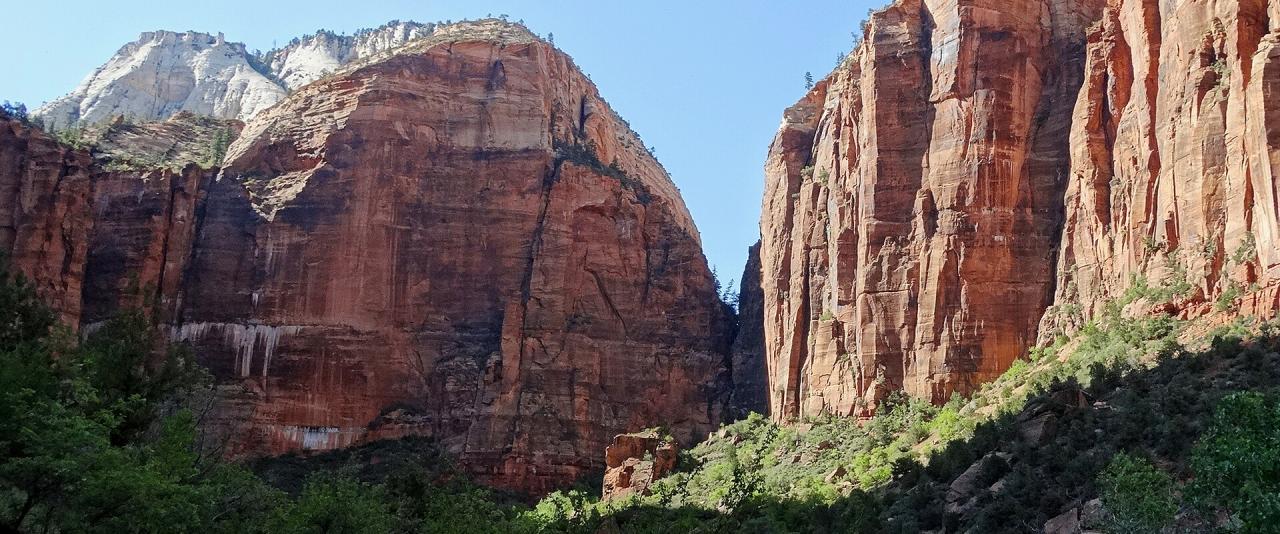
Sunlight striking the Navajo Sandstone at dawn transforms Zion National Park into a living canvas. It is not merely a change in lighting; it is a daily alchemy. That early morning glow sets the tone for the entire Utah experience, turning ordinary rock faces into vibrant displays of ochre, amber, and crimson. While spring and fall offer the sweet spot for visiting—April and May bring comfortable temperatures between 60 and 80 degrees, while September and October provide crisp air and thinner crowds—midsummer often brings intense heat and congestion that can dampen the experience.
Planning an early hike allows you to witness this daily color shift before the sun climbs too high. As the shadows recede, they reveal the intricate textures of the canyon walls in sharp relief. I often recommend starting at the trailhead before sunrise to secure a good spot and beat the heat. Have you ever stood still enough to watch the stone seem to breathe as the light changes?
Spring’s Delicate Balance
Zion’s spring season operates on a knife’s edge, balancing vibrant life against volatile weather. While wildflowers like Indian paintbrush and lupine paint the canyon floor in bursts of red and purple, the air remains deceptive. Mornings often bite with a chill that demands a heavy fleece, yet by noon, the sun can push temperatures toward 80°F, making that same fleece unbearable. This thermal whiplash requires a layered approach rather than a single heavy coat.
The Virgin River swells with snowmelt, creating powerful currents that frequently force the National Park Service to close The Narrows. Rather than assuming a closure, check the specific flow rates for your planned date, as these conditions change daily. If you do hike, waterproof boots and trekking poles become essential gear, not optional extras. The unpredictability is part of the charm, rewarding those who remain flexible with fewer crowds and a landscape that feels freshly awakened.
Summer’s Scorching Test
When the thermometer climbs past 100°F, the canyon transforms into a relentless furnace that demands respect. Air shimmers above the red rock trails as you climb the steep switchbacks toward Angels Landing, which now requires a permit from the park’s lottery. Starting your hike before sunrise becomes less of a suggestion and more of a survival necessity to avoid heat exhaustion.
Shuttle lines stretch far beyond the usual chaos, often forcing visitors to wait over an hour just to reach the trailheads. This logistical nightmare, combined with the intense physical exertion, makes summer a poor choice for those seeking a leisurely stroll through the Emerald Pools. The vibrant crimson cliffs remain breathtakingly beautiful, but the environment exacts a heavy toll on your body.
Carrying more water than you think you need is essential, and monitoring daily trail conditions should be a non-negotiable part of your planning. While the early morning light offers a brief reprieve, the midday sun reveals the true challenge of exploring Zion during the hottest months.
Winter’s Quiet Solitude
The crunch of frozen gravel underfoot replaces the usual roar of traffic. Zion empties out when the mercury drops, leaving the Narrows and Angels Landing to those who respect the cold. This isolation offers a rare chance to hear the wind moving through the canyon, a sound easily lost in the busy seasons.
Snow and ice turn familiar paths into slippery hazards. You need microspikes on your boots and a steady hand on icy switchbacks. Temperatures frequently plummet below freezing, demanding layers that trap heat without restricting movement. The landscape transforms into a stark, monochrome masterpiece, where the red rock contrasts sharply against the white snow.
While spring blooms with wildflowers, winter asks for vigilance. The Great Outdoors becomes less about leisure and more about survival skills. Check the weather forecast obsessively before stepping out. Have you ever tackled a trail when the air bites at your cheeks?
Your Next Move
Timing your visit is the single most important decision for a comfortable hike. Aim for late April or early October to catch the sweet spot of 60–80°F weather. These months spare you from the blistering summer sun and the biting winter cold. You also sidestep the heaviest tourist surges.
Nature rewards this patience with vibrant displays. Spring brings carpeting layers of Indian paintbrush and lupine. Autumn offers a slow fade of cottonwood gold against crimson canyon rock. The light changes, too, casting long shadows across the Navajo sandstone.
Practical caution remains essential. Water levels in The Narrows dictate accessibility, not just the calendar. High snowmelt in spring can make the slot canyon impassable. Check the Zion National Park website for real-time flow rates before you pack your gear.
My advice is simple: plan for the shoulder seasons. You will get better photos, cooler air, and a quieter trail. What time of year do you find most inviting for your next Utah adventure?