The Whisper in the Stone
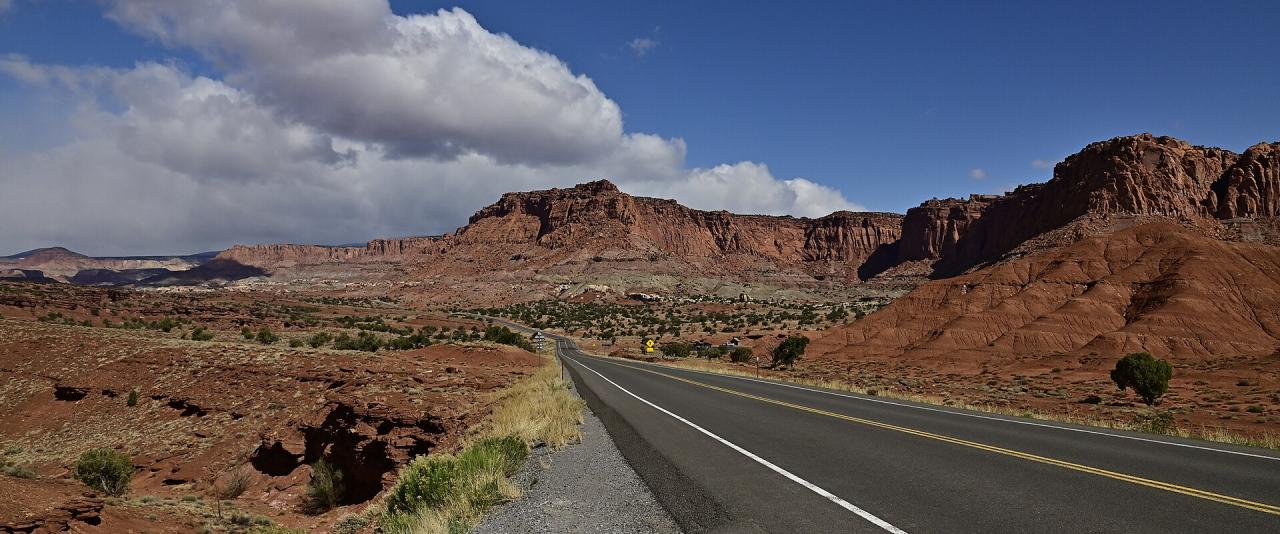
The air here is thin and dry, carrying the scent of dust and ancient silence. As you stand at the edge of the basin, the white Navajo Sandstone of Capitol Dome rises above you, a stark, luminous cap against the vast blue sky. This is not just a landscape; it is a archive of deep time. Stretching out before you is the 100-mile expanse of the Waterpocket Fold, a geological wrinkle that exposes close to 200 million years of history in its rock layers.
The Architecture of Time
To understand this place, you must look closer at the stone. The landscape here is not static; it is the result of immense, slow-moving forces. The Waterpocket Fold, named for the rock basins that catch rainwater, reveals a dramatic tilt caused by tectonic pressures that folded the earth’s crust.
Erosion now acts as the sculptor, carving through the Navajo Sandstone to reveal intricate cross-beds. These are not merely decorative patterns; they are the fossilized ripples of ancient sand dunes, capturing moments from a time when this land was a vast, arid desert. Yet, the story is more complex. Dark seams of coal emerge from the rock face, silent evidence that ancient swamps once thrived where, today, only heat and dry wind remain. This contrast highlights the radical shifts in climate over eons, a cycle of wet and dry, of swamp and sand, preserved in stone.
A Textural Conversation
Beneath the harsh sun, the Navajo Sandstone exhales a gritty texture that speaks of ancient dunes. Iron oxide bleeds into the quartz, staining the rock in shades of deep rust and orange. This is not just stone; it is a timeline.
To truly see it, look closer. Notice the ripple marks etched into the rock, silent witnesses to ancient winds that swept across this land eons ago. Identifying these patterns transforms a simple hike into a deep geological dive. You are no longer just walking on rock; you are walking through time, reading the slow, steady breath of the earth in every grain of sand.
Beyond the Trailhead
The landscape here is a study in geological violence. The Waterpocket Fold, a dramatic monocline, stretches for one hundred miles, exposing close to 200 million years of Earth’s history in a single, sweeping fold. It is not merely a trail; it is a timeline laid bare.
To fully appreciate the stratigraphy, consult the detailed guides available through the USGS. These resources provide the necessary scientific context that the bare rock alone cannot convey.
Respect the fragility of these formations. The crust is thin, the rock is delicate, and the memory of the land is fragile. Handle with care, for once the stone is disturbed, it does not easily return to its original state.