Whispers in the Sandstone
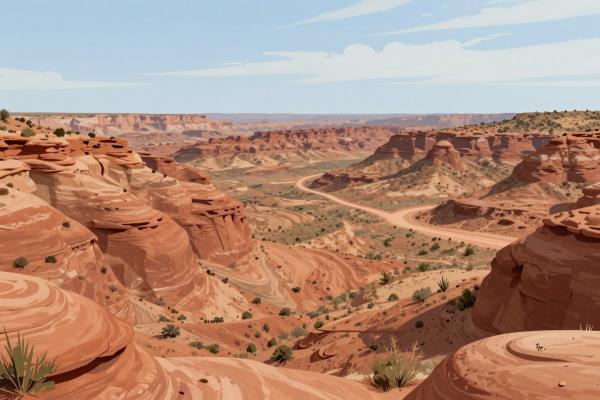
The wind here does not merely blow; it sculpts. For millennia, the canyons of the Escalante have stood as silent witnesses to the shifting geology of the Colorado Plateau, their sandstone walls holding the memory of ancient deserts and seas. When you step into the backcountry, you are walking through a library of stone, where each stratum tells a story of time’s slow, relentless passage.
This landscape is not merely a backdrop. It is a heritage to be respected. The silence here is heavy with the presence of those who came before. To walk here is to engage in a quiet dialogue with history, where every rock and shadow holds a secret. You are not just a visitor; you are a temporary guest in a landscape that has witnessed centuries of change.
The key to navigating this terrain is not just physical endurance, but a deep, reverent respect for the environment. The sandstone is fragile, and the footprints of the past are still visible in the soft earth. As you hike, take care to stay on established trails, preserving the delicate balance of this unique ecosystem. The beauty of Escalante lies in its ruggedness, in the way light plays across the red rock, casting long, shifting shadows. It is a place that demands attention, a place where the natural world is both majestic and unforgiving.
In the end, the true gift of Escalante is not just the view, but the feeling of connection it inspires. It is a reminder of our place in the grand scheme of things, a reminder that we are but a small part of a much larger story. As you stand on the edge of a canyon, looking out over the vast expanse, you may feel a sense of awe that is difficult to put into words. It is a feeling of humility, of awe, and of deep, abiding respect for the natural world.
In the high desert, the landscape does not whisper; it waits.
In this vast, rust-colored expanse, the light strikes the Navajo sandstone with a sharp, golden clarity. Hiking the backcountry here requires more than just sturdy boots. It demands a deep respect for the ancient, silent geology that has settled here over millennia.
As you walk, notice the fine details. The light shifts, revealing subtle variations in the rock, from rust to cream. The silence is not empty, but full of history. The landscape speaks in subtle ways, if you take the time to listen. The light changes quickly, casting long, dramatic shadows that transform the canyons into a different world by late afternoon.
It is a place to slow down. To observe. To appreciate the raw, unfiltered beauty of the high desert.
In the high desert, nature offers no second chances to the unprepared. The heat is relentless, turning every drop of water into a precious commodity. You must plan to carry at least one liter of water for every hour of exertion. Sun exposure here is intense, demanding protection like wide-brimmed hats and high-SPF sunscreen.
Navigation requires more than intuition. A detailed topographic map and a compass are essential, as cell signal often vanishes in the canyons. The landscape is beautiful, yet unforgiving. It demands constant vigilance.
Always inform someone of your planned route before stepping onto the trail. This is not a place for improvisation. Respect the arid environment, and it will reward you with its stark, enduring beauty.
The Spirit of the Canyon
Fremont and Ancestral Puebloan people, and later the Southern Paiute, moved through this sandstone labyrinth with a quiet intimacy that modern boots rarely replicate. You walk the same paths they traced across the Grand Staircase-Escalante National Monument.
Respect the silence. These red cliffs hold more than geological layers; they preserve centuries of indigenous memory and pioneer struggle. When you encounter a stone circle or a weathered artifact, observe quietly and leave it undisturbed. This is not merely scenery; it is a living archive of human resilience in the high desert.
The heat shimmers, but the history remains solid. Approach the land with the reverence due to a sacred library. Your presence adds to the narrative, so tread lightly. Let the landscape speak through its stillness rather than your noise. Carry only memories; leave only footprints. This practice honors the deep time etched into Escalante’s canyons.
The Journey Continues
Canyon walls hold memories older than time, but the real magic lies in how you move through them. Hiking here demands more than just physical stamina; it requires a quiet reverence for the land’s harsh, unforgiving beauty. Imagine pausing near a secluded alcove, where the only sound is the wind whispering through ancient Navajo sandstone. This is not a race. It is a moment to pause, to breathe, and to truly see.
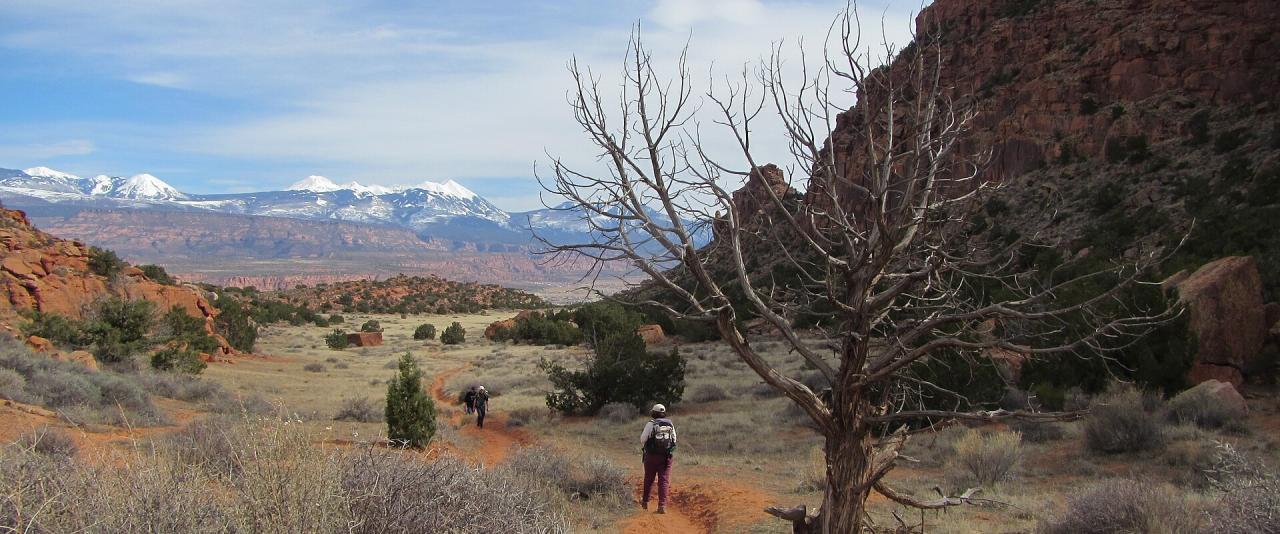
You might pass a lone hiker, moving slowly and carefully, mindful of the fragile cryptobiotic soil beneath their boots. Their caution is a reminder that we are guests here. As you pack your gear, remember that the true gift is not a photograph, but the quiet perspective gained from standing beneath those towering red cliffs. Leave no trace, take only memories, and carry forward a deep, abiding respect for the land that held you.