The Spring Window: Timing Your Descent
The countdown to the spring runoff is a race against the melting high country. For paddlers, the window of opportunity is narrow, typically opening in late March and closing by mid-June. This is not just a seasonal detail; it is the defining variable of your trip. You need a minimum flow of 50 cubic feet per second (cfs) to navigate the river safely. Below that threshold, the water recedes so much that the riverbed becomes exposed, turning a navigable channel into a shallow, rocky obstacle course.
I always advise families to monitor local gauge readings daily, rather than relying on a single check at the start of the trip. The high country is fickle, and weather patterns can shift rapidly. A single heavy rainstorm can transform a calm, glassy afternoon into a chaotic, white-knuckle scramble within hours. Flexibility is your most valuable asset here. While you should plan for a six-day timeline, be prepared to adjust your schedule if upstream debris blocks the main channel. We have seen families wait an extra day or two in the quiet town of Escalante, waiting for the water levels to stabilize. In this wild, untamed landscape, patience is the price of a safe and successful journey.
The spring runoff is real, and with it comes power. The current here is not gentle; it moves with a muscular, relentless force that demands respect. When you enter the river, you are entering a dynamic environment where the landscape is constantly reshaped by the flow.
Start at the trailhead with a clear head. While the initial stretch may seem calm, the water moves fast, and conditions change quickly. You must be prepared to portage around obstacles. In narrow passages, scout ahead and avoid the turbulent edges where debris and fallen trees accumulate.
It is okay to stop. If the current feels too strong or the rocks look too sharp, take a break. Take a breath, assess the situation, and enjoy the view. The goal is not just to finish, but to experience the adventure safely. Trust your gear, trust your instincts, and listen to the guide. This is a celebration of nature, not a race against time.
Wildlife Encounters
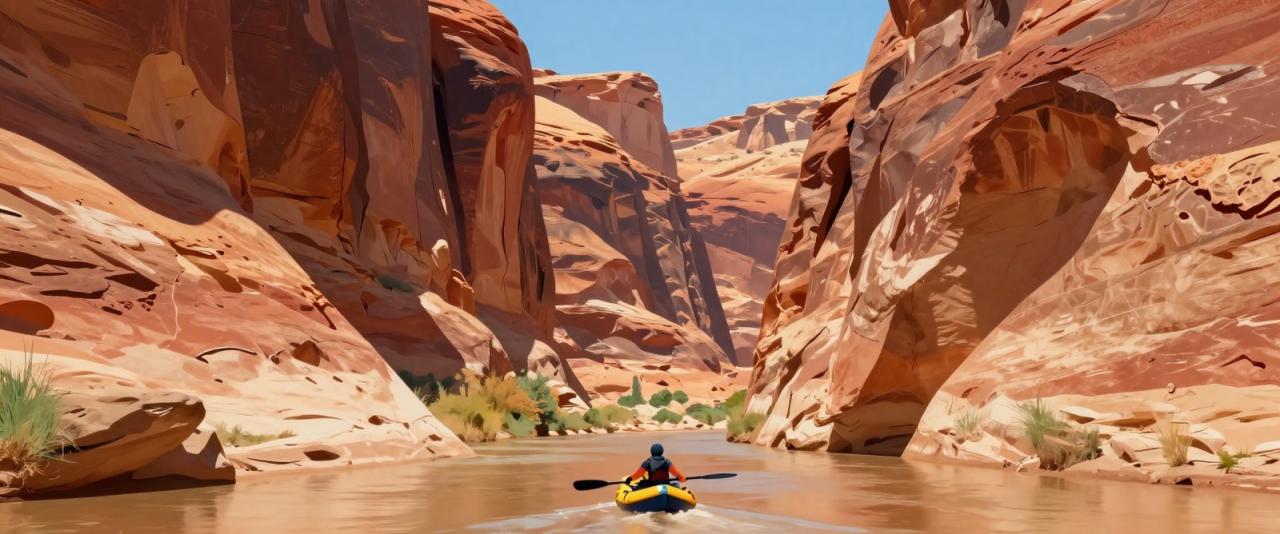
Paddling the Escalante River offers a unique perspective on the local ecosystem, but it requires a steady hand and a keen eye. As you drift along, you will likely encounter sandbars where birds rest in the sun. This is a quiet, serene side of the river that contrasts sharply with the power of the current.
However, it is important to remember that you are a visitor in their home. Keep a respectful distance from all wildlife. Do not approach nesting herons, egrets, or other birds. Observe them quietly from your kayak, maintaining a distance that ensures their comfort and safety. This distance ensures the safety of both the animals and the paddlers.
The long run down toward Lake Powell offers many such moments of connection. Take time to pause and watch. Respect the space you are in. By leaving no trace and respecting the natural order, you help preserve the beauty of the landscape for future generations.
Gear and Logistics
The Escalante River is a powerful force, and spring runoff brings a unique set of challenges. The water is cold, and the current is strong. You need gear that can handle the conditions. Wood paddles can break under the stress of the churning water, so consider bringing extra paddles or opting for more durable materials.
Check the weather and gauge readings daily. The river is fickle, and conditions can change rapidly. A minimum flow of 50 cubic feet per second is ideal, but debris from melting snow can block the channel, creating unexpected hazards. Plan for flexibility, not just a rigid schedule. Be prepared to adapt to changing conditions, whether that means waiting for the water to level out or finding a new route.
It is better to be safe than sorry. Trust your instincts, but also trust the data provided by local gauge stations. The river will always be there, but you must be prepared to handle its power. Stay alert, respect the current, and prioritize your safety.
The Final Stretch
The churning white water has finally settled, leaving behind the smooth, rolling pulse of the Escalante River. The trip is complete.
Take a slow breath of the high desert air. This is not just a checkbox on a to-do list; it is a shared victory. Take a moment to rest your muscles, to feel the sun on your face, and to reflect on the journey you have just completed. The river has tested you, and you have passed.
Savor this moment. The red rocks stand as silent witnesses to your effort, standing tall against the vast sky. The road back may be long, but you are ready. Drive safely, take time to rest, and carry the memory of the river with you.