The Whisper of High Desert Pines
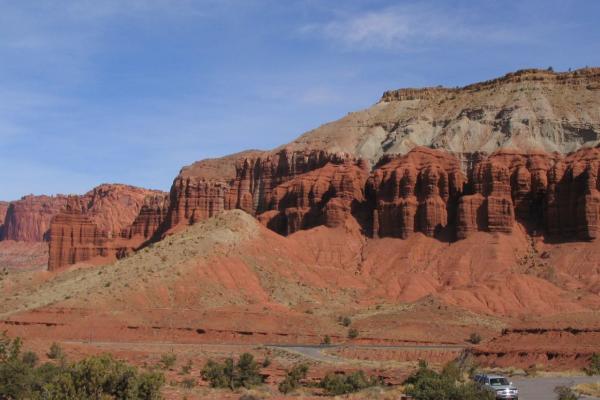
The scent of pine resin is immediate, a sharp, clean weight that clings to the back of the throat and settles deep in the lungs. It is not merely a smell; it is an atmospheric pressure that demands attention. Around you, red rock cliffs rise in silent, ancient permanence, witnessing centuries pass in a slow, humbling rhythm. Standing in their shadow, the realization strikes quickly: the silence here is not empty. It is crowded with the echoes of those who navigated this terrain long before you arrived.
This landscape does not ask for loud admiration. Instead, it requires a quiet reverence—a pause to acknowledge the enduring spirit of the earth. You feel the past not as a dry history lesson, but as a chill in the thin, cool air that brushes against your skin. Connection here is visceral. It happens breath by breath, caught in the quiet spaces between the rustling wind and the cold, unyielding stone. You do not just observe the land; you become part of its slow, steady pulse.
Sanctuary in Sandstone
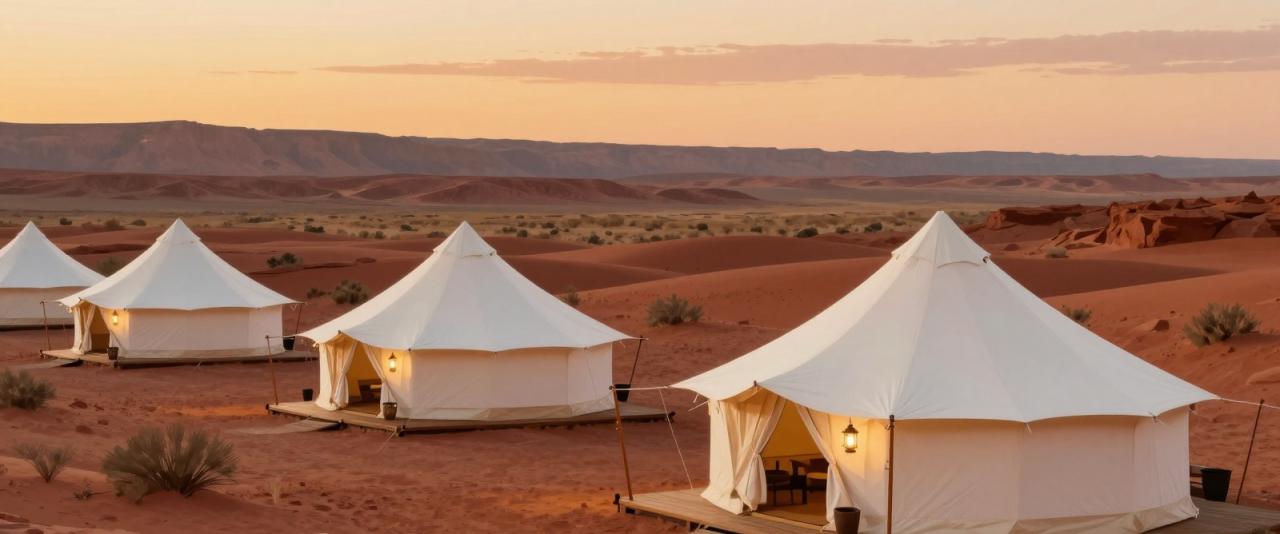
Desert temperatures plummet the moment the sun dips below the horizon, turning the air crisp and thin. Inside your canvas haven, a queen-sized bed with hotel-grade linens offers an immediate shield against the chill. The silence out here is heavy, broken only by the low hum of wind moving through the red rock canyons. This specific balance defines Utah glamping: rugged wilderness meeting refined comfort.
You might step out onto a private deck to watch a meteor streak across the Milky Way, then retreat to the warmth of insulated walls. The contrast is stark and necessary. Morning light will eventually paint the sandstone cliffs in shades of burnt orange and deep violet, marking the start of a new day. Yet, in the quiet hours, the experience is less about sightseeing and more about resting within a landscape that demands respect. It is a sanctuary that honors the land while providing a haven for rest.
The Architecture of Heritage
Utah’s red rock country defies the rigid, stone-and-mortar structures of traditional towns. Here, the sky dictates the rhythm. Modern hospitality has adapted to this openness, creating a seamless blend of comfort and the rugged environment. Upscale tented camps, such as those near Zion, offer a unique compromise. Their canvas walls breathe with the shifting temperatures, and wood-burning stoves crackle gently against the chill.
This is not just luxury; it is a respectful integration with the land. The architecture mirrors the natural beauty, creating a sense of immersion rather than isolation. You are no longer a passive observer but a participant in the landscape. This approach transforms the visit from a simple stay into a profound connection.
When planning, forethought is essential. Book well in advance for prime vantage points, as these spots are limited. Remember that nights drop sharply in temperature, so pack layers accordingly. Respect the land by staying on marked trails and protecting the fragile desert floor. The silence here is heavy, but it is a peaceful weight. Let it wash over you, and you will find that the true spirit of Utah is found in these quiet, connected moments.
A Guide to the Outdoors
Utah’s desert climate is a study in extremes, shifting from scorching midday heat to chilly night air. Layering is non-negotiable. Start with a moisture-wicking base, add an insulating mid-layer, and top it with a windproof shell. Sturdy boots are your best ally, protecting your feet against the sharp, uneven terrain that defines these landscapes.
Beyond gear, a commitment to leaving no trace is essential. This is not just a rule; it is a cultural respect for the land. The desert is fragile, and the patterns left by tires or footprints can take decades to heal. By staying on designated paths and packing out what you bring in, you ensure that the beauty remains intact for future generations. The land rewards those who tread lightly, offering a quiet, lasting peace in return.