Whispers of the Virgin River: A Historian’s Welcome
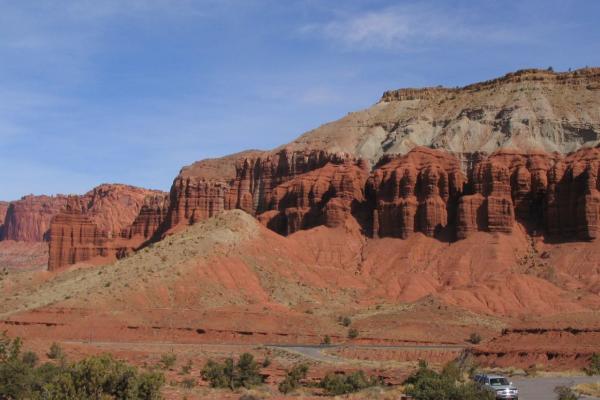
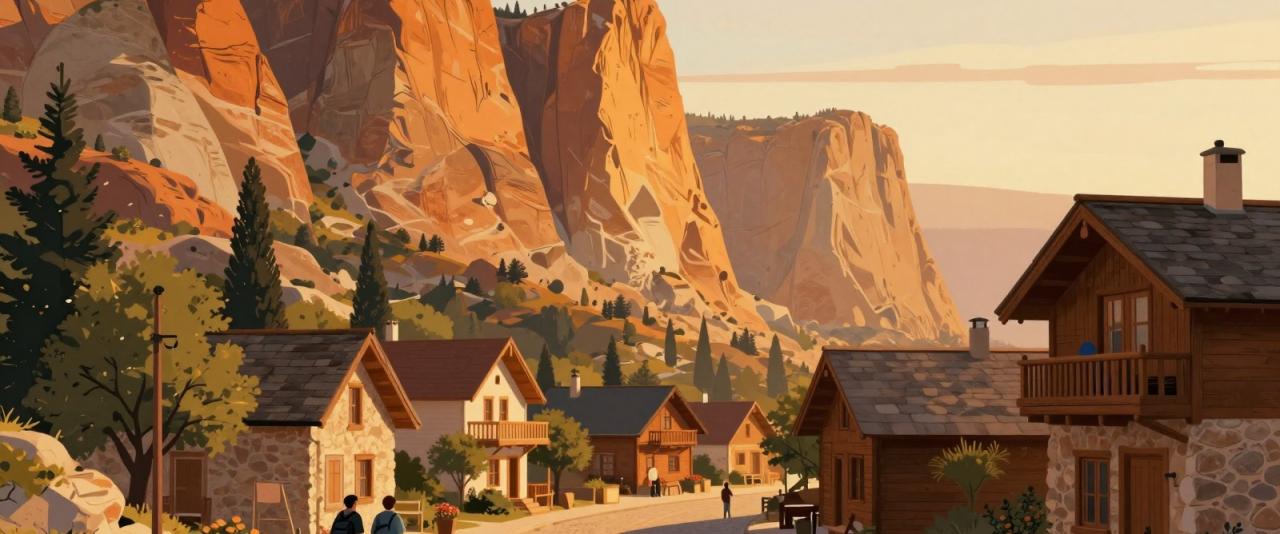
Springdale’s historic roots anchor the present, offering a serene backdrop to the bustling park entrance. While the main entrance hums with activity, the quiet village streets invite a slower, more reflective pace. This contrast defines the unique atmosphere, blending natural grandeur with community warmth. Travelers find a peaceful retreat here, grounded in the land's deep history.
Culinary Crossroads: Savoring Southern Utah
Springdale’s culinary scene offers a vital respite after hiking the red rock canyons. Diners often gather at local spots, savoring meals that blend regional identity with comfort. For instance, a hearty breakfast at a local cafe provides essential energy for the day’s adventure. Reservations are crucial for popular restaurants; walk-ins can be challenging during peak seasons. The community values quality, ensuring that each meal reflects the region's unique character.
Whether enjoying a simple sandwich or a more elaborate dish, the food here is a testament to the local culture. This connection between food and place enhances the overall travel experience, making each bite a part of the landscape's story. Exploring these dining options allows travelers to engage deeply with the local community and its traditions.
Evening Serenity: Stargazing by the Virgin
Sunset paints the canyon walls in deep hues as the sun dips below the horizon, transforming the Virgin River into a mirror of liquid silver. The transition from day to night brings a profound calm, replacing the daytime bustle with a quiet, meditative atmosphere. Here, the air grows cool and still, offering a rare chance to pause and breathe.
Above, the sky reveals a breathtaking expanse of thousands of visible stars, their clarity undisturbed by the light pollution that plagues other regions. This celestial display is not just a view but a shared heritage, connecting present visitors to the Paiute ancestors who once tracked these same constellations for guidance and storytelling.
To fully embrace the moment, bring a red-light flashlight to preserve your night vision and avoid disrupting the natural darkness. Wrap yourself in warm layers, as temperatures drop sharply once the sun vanishes. This serene experience is an essential anchor in any Southern Utah itinerary, grounding you in the timeless rhythm of the desert night.
Spring and fall offer the best windows for exploring Southern Utah’s red rock country. Spring brings blooming wildflowers, while autumn provides crisp air ideal for hiking. Summer heat can exceed 100°F, demanding early starts to avoid peak temperatures. Winter snow may close higher elevations, though lower valleys remain accessible.
Crowds peak in spring and fall, so visiting on weekdays helps avoid congestion. Consider booking accommodations well in advance for these popular seasons. A quieter experience awaits in late spring or early fall. The changing seasons reveal different aspects of the landscape, from blooming desert flora to dramatic snow-capped cliffs.
Plan your itinerary around weather forecasts to ensure safety and enjoyment. Conditions change rapidly in the desert environment, so flexibility is key. Always check park alerts for road closures or flash flood risks before heading out.
Key Considerations
Spring in southern Utah feels like a gentle awakening. Wildflowers dot the red rock canyons, and the air stays mild, though you should pack a light jacket for those sudden, refreshing spring showers that roll through the valley.
Fall arrives with crisp, clean air that makes every breath feel invigorating. The landscape transforms into a vibrant tapestry of gold and crimson, drawing visitors but keeping crowd levels manageable compared to peak seasons, allowing for quiet moments amidst the stunning colors.
Summer brings intense heat that demands respect. Monsoon storms can burst out of clear blue skies, turning dry washes into rushing rivers in minutes, while popular trails become packed with hikers seeking shade. Hydration and early starts are non-negotiable here.
Winter offers a stark, serene beauty. Nights drop well below freezing, and higher elevation roads may close without warning, but the solitude is worth it. Empty trails and snow-dusted mesas create a peaceful, almost otherworldly atmosphere that few travelers get to experience.
- Spring: Mild temperatures, blooming flora, potential for rain.
- Fall: Crisp air, stunning colors, moderate crowds.
- Summer: Hot days, monsoon storms, crowded trails.
- Winter: Cold nights, possible road closures, serene landscapes.
Practical Tips
Daily weather checks prevent unpleasant surprises in the desert heat.
Reserve your lodging months ahead, especially when summer crowds descend on Zion or Bryce Canyon.
Pack more water than you think you need, alongside sturdy sunscreen and wide-brimmed hats.
Mountain storms can roll in without warning, so carry layers even on sunny mornings.
Keep a respectful distance from bighorn sheep and desert tortoises to protect their fragile habitats.