The Sky Above the Red Rocks
Utah does not merely possess dark skies; it commands them. While the rest of the world is increasingly blanketed by the orange haze of urban light pollution, the High Desert offers a stark, refreshing alternative. Here, the night is not an absence of light, but a tangible, immersive presence. At the center of this celestial experience is Antelope Island State Park, a sanctuary on the Great Salt Lake, about an hour's drive northwest of Salt Lake City. Standing at the rugged edge of Buffalo Point, the horizon drops away, revealing a depth of space that feels less like a view and more like a physical reality.
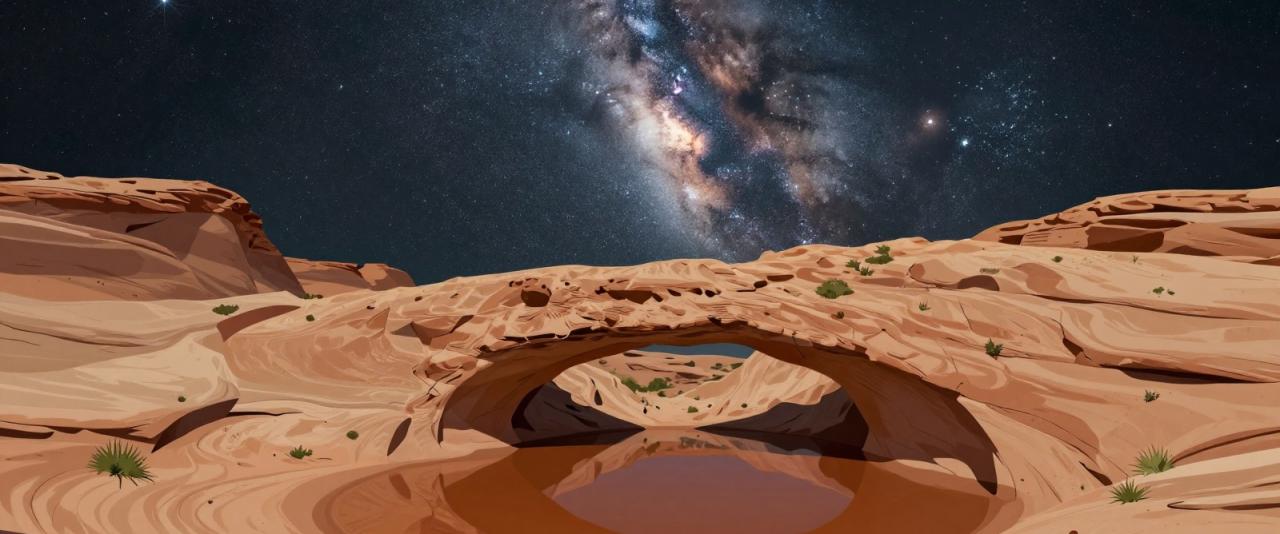
As twilight bleeds into black, the atmosphere shifts with startling speed. The sky transforms into a canvas where the Milky Way stretches across the heavens like a spilled river of diamond dust. In this silence, broken only by the crunch of gravel underfoot, the mind settles. The vastness above feels intimate, shrinking the distance between the observer and the cosmos. This is not merely sightseeing; it is an immersion into the quiet, ancient character of the high desert.
Utah’s claim to fame in astrotourism is its dense concentration of certified International Dark Sky Places, more than any other state, starting with Natural Bridges National Monument, named the world's first International Dark Sky Park in 2007. This is not just a title; it is a functional advantage for the stargazer. By clustering these protected zones, the state allows for flexible planning without the exhausting need for long, cross-state drives.
For those seeking immediate access, Antelope Island State Park offers a convenient entry point. From the vantage of Buffalo Point, you can witness the same starry expanse that defines the region, with the added bonus of spotting bison grazing against the velvet backdrop. For those craving a starker, more rugged isolation, Dinosaur National Monument in the state's northeast corner offers a different kind of solitude. Its remote location minimizes light pollution, creating an ideal, pristine canvas for observing the northern celestial sphere. Southern Utah presents a different challenge entirely, requiring careful navigation through diverse terrain.
Gear Up for the Cold Dark
The high altitude of the Utah desert is deceptive. While the sun may beat down during the day, the air is thin and the temperature is deceptively mild. However, as the sun dips below the horizon, the temperature plummets. The thin air that makes for crisp photography also strips heat from the body with rapid efficiency.
Layering is no longer a suggestion; it is a necessity. Start with moisture-wicking base layers to keep sweat off your skin, add insulating mid-layers for warmth, and top it off with a windproof shell to block the relentless desert gusts. At Antelope Island, gloves and a beanie are non-negotiable for retaining body heat during long hours of observation. Hand warmers tucked into pockets provide steady comfort when you are waiting for a celestial event.
Preserving your night vision is equally critical. White light shatters your eyes’ adaptation to the darkness, setting your progress back by twenty minutes. A red-light flashlight is a simple yet vital tool, allowing you to navigate terrain and adjust equipment without washing out your vision. This ensures you remain focused on the sky rather than fumbling in the dark.
Timing the Celestial Dance
Syncing your schedule with the lunar calendar is non-negotiable for anyone hoping to capture the faint glow of the Milky Way. The sweet spot for viewing is the new moon phase, when the sky is darkest and most dramatic. During the summer months, the dense core of our galaxy rises higher, offering a spectacle that is both dense and vibrant.
Before heading out, verify current certification statuses and park hours on the DarkSky International website. Seasonal changes often alter access routes, and winter driving conditions can be treacherous in southern Utah. Always check local weather reports for wind chill factors and cloud cover. Clear air and minimal light pollution are essential, but safety dictates your success.
Arriving before dusk ensures you secure a good parking spot and set up your gear without rushing. Use a star chart app to identify constellations, adding depth and context to the experience. Practice your camera settings in your driveway first. Mastering long-exposure techniques in the safety of home prevents frustration when you are miles from help. A stable tripod on uneven terrain translates directly to sharper images, so test your setup thoroughly.
Your Final Check
Before you leave, double-check the weather forecast and moon phase one last time. A bright full moon can wash out the Milky Way, so plan your itinerary around a new moon for the best stargazing at places like Antelope Island State Park. Book park entry fees and camping reservations in advance, as popular spots fill quickly during peak seasons.
Pack warm layers, even in summer. Bring extra water and snacks, as services are limited within the dark sky zones. Charge all camera batteries and headlamps fully. Take time to disconnect from digital distractions and let your eyes adjust to the darkness. Respect the quiet hours of the park and inform someone of your location and expected return time. This respect preserves the dark sky environment for everyone, ensuring the magic remains intact for all visitors.
In this moment, the universe does not feel distant. It feels present. You are small, yet connected to something greater. This is the essence of stargazing in Utah: a reminder of the vastness above, and the profound quietude found within.