The High Desert Wake-Up Call
The air here has weight. It is thin, crisp, and carries the distinct, dry scent of sagebrush and sun-baked stone. When you step out of the vehicle, the silence hits first—a profound, heavy quiet that is quickly pierced by the hum of the high desert wind. This is not merely a backdrop; it is an active participant in the experience.
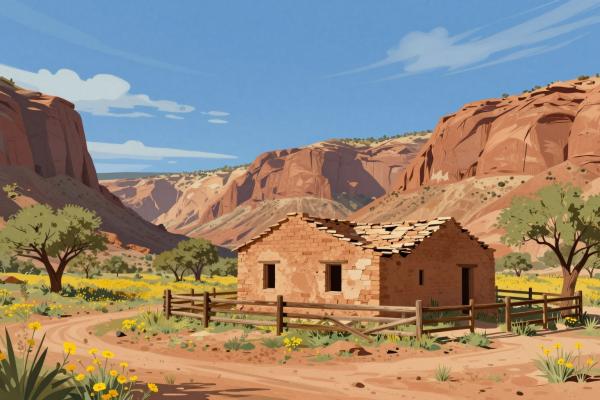
You are standing in the heart of the Mighty Five, surrounded by ancient geology that has watched civilizations rise and fall. The scale is immediately humbling. The vastness of the red rock layers stretching toward the horizon reminds you instantly of your smallness, a humbling reminder of the earth’s ancient patience. As you take a deep breath, filling your lungs with the thin, clean air, the noise of the outside world begins to fade. This is Utah. It is raw, unpolished, and waiting for you to witness it.
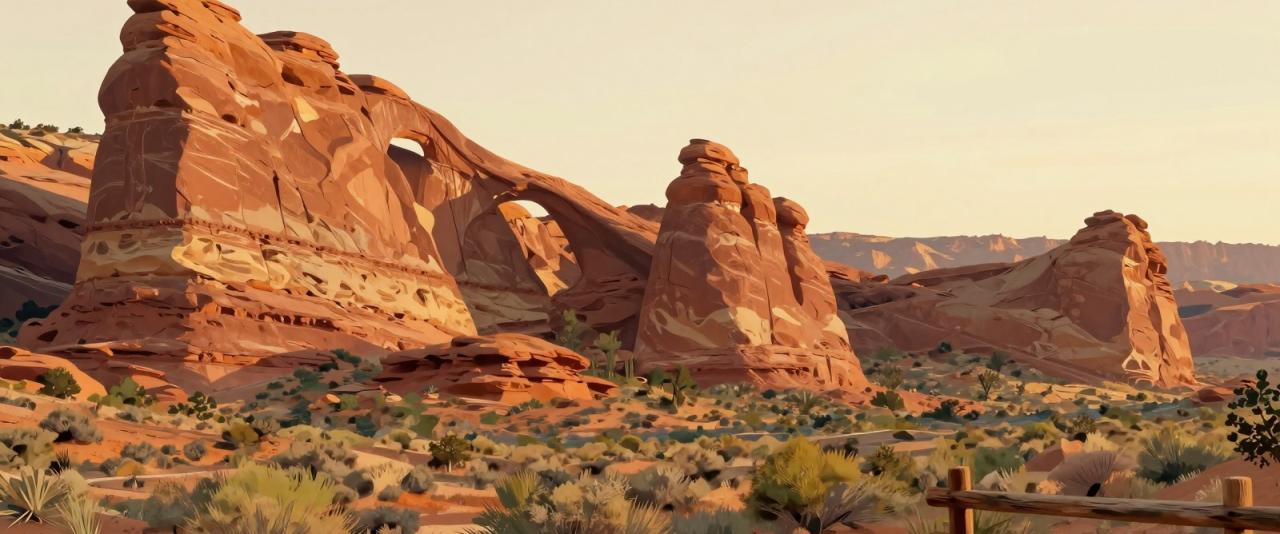
Navigating the "Mighty Five" requires more than a map; it requires flexibility. While the parks are distinct, they are part of a continuous geological tapestry. You might start in Arches, where sandstone fins and more than 2,000 natural arches stand like stone sentinels in the high desert. From there, the journey moves to Bryce Canyon, where the landscape transforms. Here, the red rock meets the alpine, creating a unique ecological blend where ponderosa and bristlecone pines cling to the rim, and mule deer often graze quietly in the shadows.
As you travel toward Capitol Reef, the terrain opens up, revealing a landscape that sweeps wide and open. This is not just a checklist of locations; it is a narrative of geological time. Each stop offers unique safety considerations and ecological nuances. Always check for current reservation requirements, as access policies shift with the seasons. Winter visits are possible but require specific preparation, including cold-weather gear and chains for potential ice.
Flexibility is your most valuable tool. Plan for delays caused by weather, road closures, or simply the need to pause and absorb the view. Respect the delicate ecosystem by sticking to marked trails. Minimize your impact, and in return, the land will offer you a profound sense of connection. It is okay to slow down. The land is vast, and you are small; embrace that scale. It is in that smallness that you find the most profound beauty.
The Art of the Slow Traveler
Traveling with family is not about perfection; it is about presence. Utah’s landscape is unforgiving of haste but generous to those who pause. Consider the red rock arches near Moab. Time seems to stretch and slow here, measured not in minutes but in the shifting shadows of the sun.
You do not need to rush to see every trail. In fact, the most memorable moments often come from the simplest actions. A slow walk along the Virgin River in Zion, listening to the water rush over smooth stones, offers more insight into the landscape than a checklist ever could. The high desert air changes with the light, revealing new details in the canyon walls as the sun moves across the sky.
It is perfectly acceptable to skip a strenuous hike if the children are tired. It is perfectly acceptable to sit by the campfire, watch the stars emerge, and let the silence settle in. The goal is connection, not completion. When you slow down, you notice the small things: the snap of a twig, the quiet rustle of leaves, the shared smile between parent and child. These are the memories that last long after the trip ends. Let go of the schedule. Embrace the unexpected. That is the true magic of travel.
Packing for the High Desert
The high desert sun is deceptive. It may feel cool in the morning, but by midday, the heat is intense and unrelenting. Layering is not just a suggestion; it is a necessity for comfort and safety.
Start with a base layer of light, breathable clothing that wicks away moisture. As the sun climbs, add a layer of sun protection. A wide-brimmed hat is essential to shield your face and neck, while high-quality UV-protective sunglasses are non-negotiable to protect your eyes from the glare. Sunscreen is not optional; reapply it every two hours, even if the sky is cloudy.
Hydration is critical. Drink water regularly, even if you are not thirsty. Aim for at least one liter of water per person per hour of activity. Pack electrolyte supplements to help maintain balance, especially on hot days. For sustenance, include high-energy, non-perishable snacks like nuts, dried fruit, and energy bars. Store these in sealed containers to prevent spills and keep them accessible. Wear sturdy hiking boots with excellent traction to protect your feet on rocky, uneven terrain, and pack extra socks in a sealed bag to keep your feet dry and comfortable.
The Final Step: Letting Go
Standing at the edge of the canyon, the silence is heavy, but it is a peaceful weight. The trail is complete. The red rock stands tall, ancient and unyielding, a testament to time and endurance. You have walked through it, felt its heat, and breathed its air.
The challenge was real, but so was the reward. You have earned this moment. Let go of the need for perfection. The view is enough. The memory is enough. You did it. Take a deep breath, look out at the horizon, and let the silence settle in. This is your moment.