Skip to content
Illustrative header image for Best of Bryce Canyon City
AI-generated illustration

1-day itinerary

Best of Bryce Canyon City

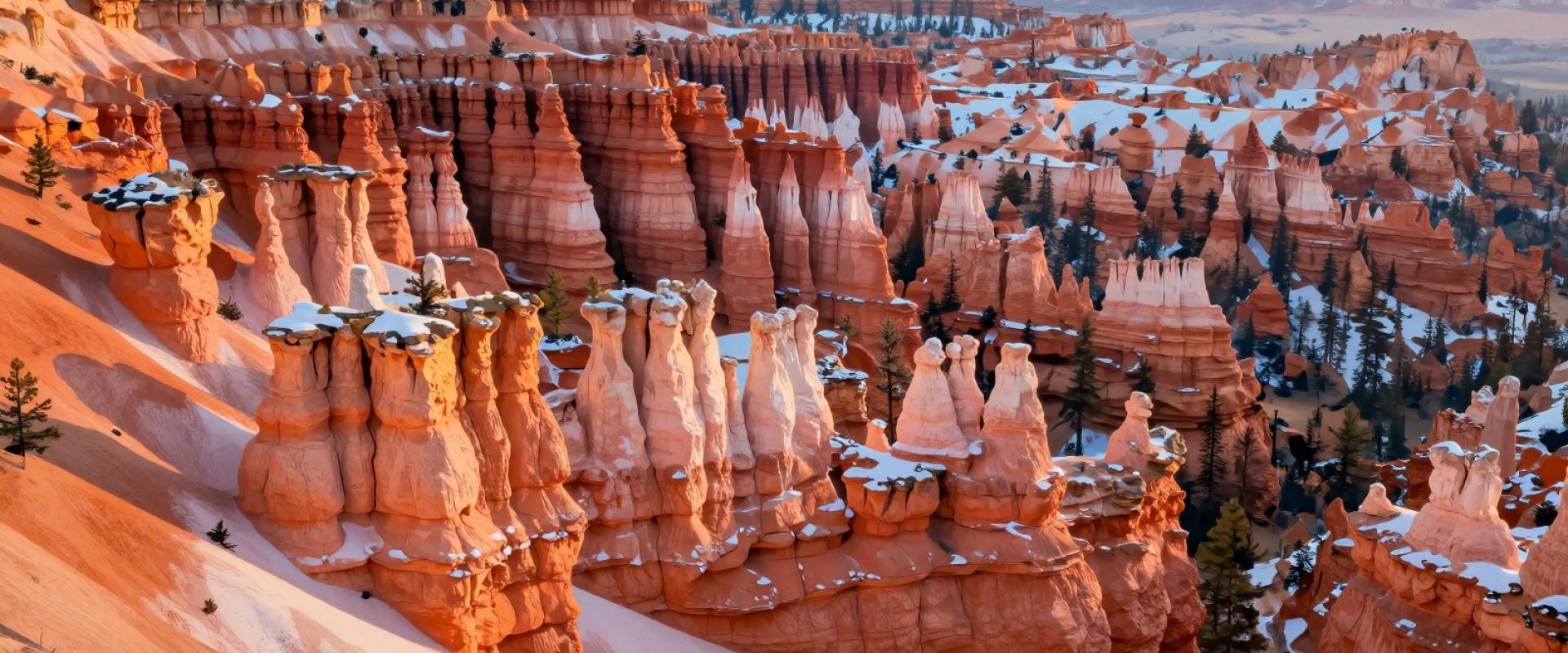
One-day tour of Bryce Canyon's iconic hoodoos

Length
1 day · 3 sights
Pace
Easy
Estimated cost
$65 per person

Day by day

  1. Day 1: Bryce Canyon Highlights and Red Rock Exploration

    A full day exploring the geological wonders of the region, starting with the iconic hoodoos of Bryce Canyon and ending with the vibrant red rock formations of the nearby area.

    • 08:00

      Sunrise Point and Main Overlook

      Arrive early to witness the sunrise over the amphitheater. Walk the paved path along the rim to take in the panoramic views of the hoodoos and rock formations.

      About 2 hours

    • 10:00

      Navajo Loop and Queens Garden Trail

      Hike the combined trail starting from the amphitheater. Descend into the canyon to see the Tower Bridge, Bridge, and Window rock formations up close before returning to the rim.

      About 1.5 hours

    • 13:00

      Lunch at Bryce Canyon Lodge

      Lunch at the lodge cafeteria or dining room. Take a break and enjoy the view of the canyon from the lodge's porch.

      About 60 min

    • 14:30

      Red Rock Scenic Drive

      Drive to the nearby Red Rock Country. Explore the striking red rock formations and take photos at the various viewpoints along the scenic drive.

      About 60 min

    • 16:30

      Mossy Cave Trail

      Visit the Mossy Cave trail for a short, moderate hike through a shaded canyon with a small waterfall and moss-covered rocks.

      About 60 min

    • 18:00

      Sunset at Inspiration Point

      Return to the main rim to watch the sunset. The light changes the color of the rock formations, providing a spectacular end to the day.

      About 60 min

    Meals:
    Breakfast at Bryce Canyon Lodge or nearby town; Lunch at Bryce Canyon Lodge Cafeteria; Dinner at Bryce Canyon Lodge or nearby town
    Where to stay:
    Stay at a hotel or lodge within the park or in the nearby town of Bryce Canyon for easy access to the park entrance and attractions.
    Getting around:
    A car is recommended to travel between the main park areas and nearby attractions like Red Rock. Walking is sufficient for the trail segments within the park.

Practical information

Bryce Canyon is accessible year-round, but the optimal visiting windows are late spring through early fall. During these months, daytime temperatures are mild, typically ranging from 60°F to 80°F, making hiking comfortable. However, weather is highly variable; even in summer, afternoon thunderstorms are common, so check daily forecasts. In winter, the park is open, but roads may close due to snow, and temperatures often drop below freezing, requiring cold-weather gear. Getting to Bryce Canyon City typically involves driving. The closest major airport is in Salt Lake City, approximately four hours away, or St. George, Utah, which is about 1.5 hours away. From either point, you will drive north on US-89. Once in the area, the park is compact, and the main road is paved and well-maintained. A standard vehicle is sufficient for reaching all major viewpoints, including Sunrise, Sunset, and Rainbow Points. Parking is available at each viewpoint, though lots can fill quickly during peak summer months, so arriving early is crucial. For accommodation, Bryce Canyon City offers the most convenient options, with several hotels, motels, and campgrounds located just outside the park entrance. This proximity allows for easy access to sunrise and sunset views. Alternatively, staying in Panguitch, located about 20 minutes to the south, offers more budget-friendly lodging and dining options, though it requires a short drive to reach the park entrance. Budget considerations should include the $30 per vehicle entrance fee, valid for seven days. This fee covers entry to the park but does not include camping fees, which range from $20 to $30 per night for basic sites. Additional costs may include shuttle fees if using the park’s shuttle service, or fees for guided tours. It is advisable to bring your own food and water, as options inside the park are limited and can be expensive. When packing, prioritize layers due to significant temperature fluctuations between day and night. Sturdy hiking boots are essential for the steep, uneven terrain of trails like the Queen’s Garden and Navajo Loop. Bring plenty of water, sunscreen, and sunglasses, as the high altitude and thin air increase sun exposure. Always carry a headlamp or flashlight, especially if hiking at dawn or dusk, and check for any current fire restrictions or trail closures before starting your hike.

Questions people ask

Book your stay