Whispers in the Red Stone
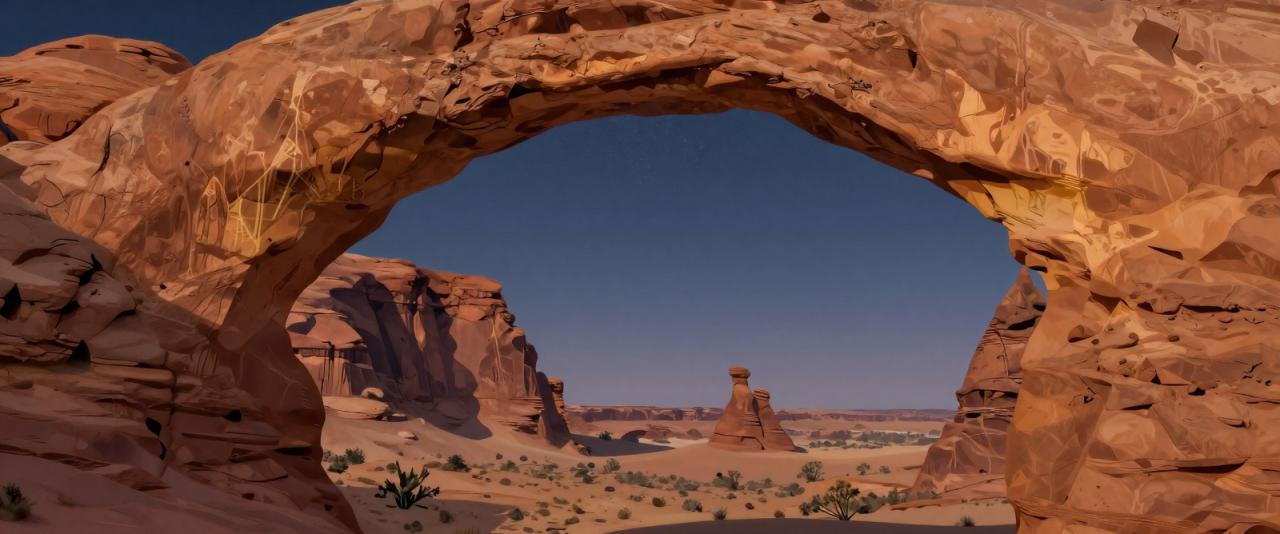
Sunlight does not merely fall here; it strikes. It pierces through the sandstone arches of southern Utah, illuminating layers of rock that have held their breath for millions of years. This is not merely a landscape; it is a archive of deep time, open to those willing to look closely. The air is dry, thin, and sharp, carrying the scent of sagebrush and ancient dust. It is a quiet place, yet it is never empty. Small creatures, lizards and insects, scurry among the rocks, seeking shelter from the heat, adding a subtle, living pulse to the stone.
The Labyrinth of Stone and Spirit
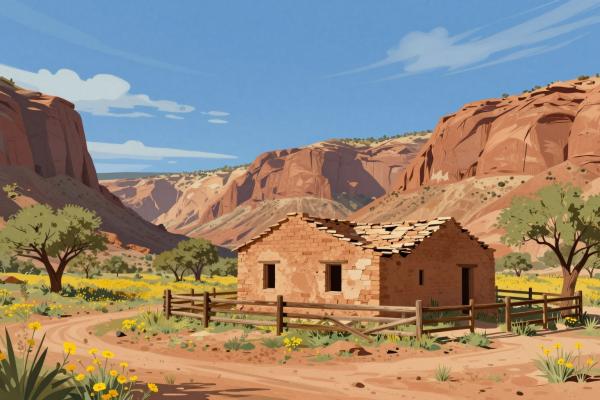
Beneath a canopy of intense, blue sky, the sandstone amphitheater stands as a silent sentinel. This is not a passive backdrop for a photograph; it is a living, breathing entity shaped by eons of relentless wind and ancient water. The Bureau of Land Management oversees Grand Staircase-Escalante National Monument, a sprawling expanse of nearly 1.9 million acres, yet the human footprint feels negligible against such grandeur.
Hikers traverse the rugged, sun-baked terrain, navigating an intricate network of deep canyons that define the landscape. Here, the rock faces are painted in striking hues of rust, amber, and ochre, each layer a page in a geological history book. Each step requires caution. The ground is unforgiving, and the weather can shift with startling speed, turning a peaceful hike into a test of endurance. This is a place that demands respect, offering a profound connection to the earth’s ancient rhythms. The beauty is not just in the view, but in the humility it inspires. You are small here, and that is precisely the point. The silence is heavy, yet it speaks volumes to those who listen. In this vast emptiness, one finds a strange, quiet peace, a connection to the earth that is both humbling and exhilarating.
Grand Staircase-Escalante does not offer gentle introductions. Its nearly 1.9 million acres of rock and canyon demand a respect that goes beyond casual appreciation. The Bureau of Land Management manages this vast expanse, but they are clear: self-reliance is not a luxury here, it is a necessity. The landscape is dynamic, shaped by ancient forces and seasonal shifts that can alter conditions in an instant.
You must check current conditions before heading out. An easy first stop is Devils Garden, a cluster of hoodoos and small arches about 12 miles down Hole-in-the-Rock Road from Highway 12. A road that is passable in the morning may become impassable mud by afternoon. The terrain is rugged, and the distance between services is vast. While the area is renowned for its stunning geological formations, the true challenge lies in navigation and preparation. Roads can be rough, and services are sparse. You must carry extra water, food, and reliable communication devices, for help may be hours away. This is not a place for the unprepared. It is a test of resilience, a reminder that in the wild, you are responsible for your own safety. Plan carefully, respect the land, and remember that the wilderness is a partner, not a backdrop.
The Heart of the Desert: Community and Connection
The geology here is striking, but the people are the heartbeat. While the Bureau of Land Management manages the land, the soul of the place is human. The local community, rooted in generations of pioneer heritage, offers a warmth that cannot be faked or staged. This is not a performance for tourists; it is a lived reality.
Engaging with the community transforms a simple visit into a meaningful exchange. When you stop to speak with a local, you are not just observing a culture; you are witnessing a way of life that has endured the harshness of the desert. By engaging with respect, you gain a deeper appreciation for the region, stepping far beyond the typical tourist trail. The connection is not just to the land, but to the people who have learned to live in harmony with its rhythms.
The Final Step: A Note on Respect
As you traverse the monument’s BLM-managed lands, remember that you are a guest in a landscape shaped over millions of years. The paleontological significance here, with its ancient dinosaur tracks and fragile ecosystems, demands a quiet reverence. When you step off the paved road, your impact must be minimal.
Leave no trace, not just in the sense of packing out your trash, but in the integrity of the land itself. Step carefully to preserve the crusts that hold the desert soil together. Honor the legacy of the Ancestral Puebloans who walked these paths before us. Take only photographs, leave only footprints that fade with the next rain, and carry forward the weight of stewardship. In doing so, you do not just visit the land; you become part of its ongoing story, a temporary but respectful participant in its eternal rhythm.